Probiotics: Do You Need Them?
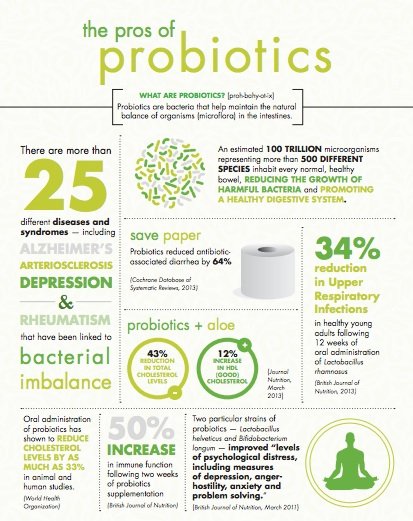
Probiotics are live microorganisms, usually bacteria, mainly found in cultured dairy foods. Some research indicates that probiotics can have health benefits for the immune and digestive systems.
However, the research is not conclusive, and some experts feel adding probiotics to the diet is ineffective at best and possibly harmful at worst. Should you seek out fortified yogurt or probiotic supplements, or can you get along fine without them?
Read the arguments below, then consider the critical thinking questions, and decide for yourself.
YES
• Regular consumption of certain probiotics helps maintain the normal functioning of the digestive system. Probiotics can help in the prevention or treatment of antibiotic-associated disorders, in the treatment (and to a lesser extent prevention) of gastroenteritis (stomach inflammation) and diarrhea, and in the alleviation of lactose intolerance.
• Some specific strains of probiotics have been shown to increase regularity in some people who have occasional constipation. Other strains have been studied for their effects on decreasing the frequency of irritable bowel syndrome and some inflammatory bowel conditions.
• Probiotics are generally considered safe. Their safety is somewhat evident by the fact that they have a long history of use in dairy foods like yogurt, cheese, and milk.
• Though the burden lies with the manufacturer to make sure that the correct probiotic is added to the product and in adequate amounts, there is some regulation of probiotic labeling. The FDA requires that the food label of these products contain accurate and relevant information.
NO
• We do not have sufficient information to say that probiotics are always beneficial and never harmful. Research is promising in several areas of digestive health but more research is needed to confirm their effectiveness, safety, and optimal dosage and duration.
• Some consumers could experience gas or bloating when consuming probiotic products. The microorganisms may also have the potential to cause more serious side effects, especially in people with underlying health conditions.
• People who have short bowel syndrome, a weakened immune system, a damaged intestinal lining, or are recovering from surgery are at a higher risk for side effects. These individuals should take probiotics only under the advice of a health care provider.
• Due to lack of strict FDA regulation, various probiotic products may not consistently contain the correct type of probiotics or enough of the probiotic to have an effect. Further, probiotics are not always delivered in an effective vehicle (foods versus supplements) and may be of variable quality. Some products have been evaluated in well-controlled human studies, while others have no or not enough research to support their efficacy.
What do you think?
1. Do you think you should add probiotics to your diet? Why or why not?
2. Which is the most compelling argument for taking probiotics? Which is the most compelling reason not to take them? Explain your rationale.
3. Do you think we know enough about probiotics to recommend them to the public?