How To Recover From Muscle Soreness
What causes muscle soreness after exercise?
Nearly everyone can claim to have experienced some type of muscle soreness after engaging in exercise. Muscle soreness is commonly referred to as delayed onset muscle soreness.
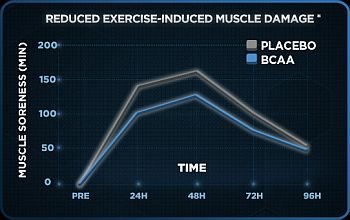
Delayed-onset muscle soreness describes a phenomenon of muscle pain or muscle stiffness that generally occurs 12 to 48 hours after exercise. This usually occurs in individuals who are unaccustomed to exercising, make sudden increases in training intensity and/or volume after periods of extended inactivity, or are immobilized because of injury.
The pain is not uncommon and is usually necessary to help the body adapt to greater workloads leading to improved strength, endurance, and muscle development. Typically, the pain gets progressively worse within the first 48 hours after activity and generally subsides within 4 to 7 days, depending on how much damage is done to the muscle.
Delayed-onset muscle soreness is thought to result from tiny tears occurring in the membranes of the muscle fibers. The amount of damage is dependent on certain factors such as how hard, how long, and what type of exercise an athlete has engaged in. When the muscle fibers are damaged, inflammation (swelling) occurs and puts pressure on the surrounding nerves, leading to pain and tenderness. In contrast to popular belief, delayed-onset muscle soreness is not the result of lactic acid left in the muscle, as the majority of lactic acid is usually removed within a few minutes after exercise. The bulk of muscle damage is caused by eccentric muscle actions. Eccentric muscle actions involve movements that cause the muscle to contract while lengthening. Examples of eccentric muscle actions include going down stairs, downhill running, and the lowering of weights in the gym. An effective way to mitigate delayed-onset muscle soreness is prevention. The most reliable method to eliminate or reduce the effects of delayed-onset muscle soreness is to begin unaccustomed exercise slowly, with very light workloads, and gradually build up to higher intensities and durations over time. This progressive training method has been demonstrated to be the most beneficial in helping to reduce delayed-onset muscle soreness. Other methods for reducing delayed-onset muscle soreness may include a thorough warm-up before exercise, followed by a cool-down with gentle stretching after exercise.
After muscle tissue damage has occurred, one can do little to stop the damage process and the accompanying soreness; however, a few tips that can be applied to help reduce some of the discomfort of delayed-onset muscle soreness. Some athletes have found relief from using ice baths, massage; very light exercise, light stretching, post-workout nutrition, and the use of certain over-the counter pain relievers. In addition, a few research studies have even reported that a strong foundation in Yoga can help. More recent studies have shown promise with certain anticatabolic substances (caffeine, hydroxymethylbuterate [HMB], whey protein); however, these studies are not yet conclusive, and recommendations cannot be made with the limited data currently available.
The most reliable method to eliminate or reduce the effects of delayed-onset muscle soreness is to begin unaccustomed exercise slowly, with very light workloads, and gradually build up to higher intensities and durations over time.
Terms:
Eccentric – Movements that cause the muscle to contract while lengthening. Examples of eccentric muscle actions include going down stairs, downhill running, and the lowering of weights in the gym.
Anticatabolic substance – A nutritional compound that slows the breakdown process in the body (catabolism), thus tilting the metabolic balance toward increased tissue building (anabolism).
Whey protein – A biproduct of cheese manufacturing. It is a short peptide-bonded protein and is rapidly digested and absorbed into the circulation (bloodstream). Whey protein is found in yogurt and cottage cheese (the liquid on the surface of the product before it is mixed).