Every human being has changes in their mood. Experiencing good, not so good, and low mood is normal. The variety of our feelings is essential to our being lively and responsive to our surroundings. We would otherwise be totally predictable and robotic. Contrasting moods and feelings add depth to our lives.
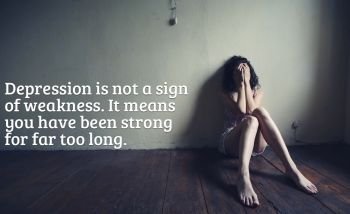
There will be times when elated, or extra good mood, is appropriate – something really good has happened and we are very happy. It will also be entirely appropriate to feel low, tearful and negative in other circumstances, for example being made redundant. The difference, however, between that experience and being depressed, can be subtle but all important. It is the difference between normal experience and illness. Many people would feel bad at losing a job but not everyone would go on to be ill. Illness begins and normal experience ends, at the point at which your everyday functioning is affected and continues to be affected beyond what would reasonably be expected. You would not expect a person who has lost their livelihood last week to be functioning well this week, but you would expect a gradual improvement over the course of the following months. If this (normal) mood is protracted and it starts to change the way someone is coping (or not coping) with life, it starts to become a problem or illness.
A very helpful definition of depressive illness was given by Sir Aubrey Lewis in the 1950s. He said depressed people are ‘sad, and ill with their sadness’ – this means not just low mood but, because they are ill, there are changes in the way their bodies are functioning. There can be a whole variety of symptoms, which we shall discuss later in the book, but there are common important changes that happen in clinical depression – or the illness depression. Sleep rhythms can be disrupted, and sleep can deteriorate badly. Depressed people often wake in the early hours of the morning and can’t get back to sleep again. Their appetite changes – it usually decreases with loss of weight, although sometimes, and less commonly, appetite increases (comfort eating). Concentration can deteriorate. Memory can be ‘fuzzy’.
Sexual interest often diminishes. Thoughts can be slowed down. These are all measurable changes and are signs of illness, rather than a simple, well circumscribed period of sadness.