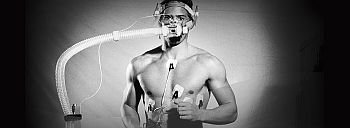
How to be slim – BBC DOCUMENTARY

How can I tell if I have exercise-induced rhabdomyolysis or delayed-onset muscle soreness?
Exercise-induced rhabdomyolysis is a rare but potentially serious (and life-threatening) condition that is generally brought on by too much exercise at one time. It affects people of all ages, races, fitness levels, and genders. Most exercise-induced rhabdomyolysis cases have been reported in military, law enforcement, and fire department personnel because of a vigilant documentation process.
Cases in the public sector are generally not documented or reported; therefore, the statistics are unknown. Exercise-induced rhabdomyolysis results from an acute skeletal muscle injury that causes the muscle cell membrane to break open, spilling its contents into the circulation. Some of the cellular debris includes myoglobin, creatine kinase, potassium, and other various intracellular contents. Abnormally high amounts of this cellular debris can lead to serious health issues such as renal (kidney) failure, cardiac dysrhythmias, compartment syndrome, and even death.
In determining whether an athlete has exercise-induced rhabdomyolysis (versus delayed-onset muscle soreness), the diagnosis consists of three distinct details:
1. Swollen and severe incapacitating pain in the muscles
2. Elevated creatine kinase levels in the blood
3. Myoglobin in the urineThis triad of symptoms is found in exercise-induced rhabdomyolysis only and not in delayed-onset muscle soreness.
The mild to moderate muscle soreness that accompanies delayed-onset muscle soreness usually dissipates within 48 hours with no further complications, whereas athletes diagnosed with exercise-induced rhabdomyolysis typically experience very painful muscles with limited range of motion during flexion and extension. The muscle is tender to the touch and is usually swollen.
Creatine kinase levels in normal muscle range between 55 and 170 U/L. In severe cases of exerciseinduced rhabdomyolysis, ranges from 10,000 to 300,000 U/L have been reported, whereas creatine kinases levels in delayed-onset muscle soreness rarely get over a few thousand units per liter. Creatine kinase levels normally peak in the bloodstream within 24 to 36 hours.
During exercise-induced rhabdomyolysis, myoglobin (a reddish muscle protein that is responsible for carrying oxygen from the cell membrane to the mitochondria) levels in the blood reach such high levels that myoglobin gets carried into the urine. If left untreated in the urine, myoglobin will start to collect in the kidneys and has a high potential to cause renal failure.
Dark-brown or rust color urine is one of the first signs that an athlete may be experiencing rhabdomyolysis. This change in urine color is a definite indication that myoglobin has spilled into the urine. If an athlete experiences this symptom, he or she should seek medical help immediately because as many as one third of all patients who have rhabdomyolysis experience acute renal failure
Several of the predisposing risk factors for developing exercise-induced rhabdomyolysis include the following:
1. A rapid increase in intensity or duration of demanding physical activity
2. Activity that requires a heavy eccentric (muscle lengthening) component
3. Dehydration
4. Exercising in high heat and or humidity
5. Predisposition to heat illness or previous heat injury
6. Illness (bacterial, viral)
7. Recent medication or drug use (aspirin, cholesterollowering medications, alcohol)
8. Genetic disorders (sickle cell trait, hypothyroidism, and renal insufficiency)
The best treatment for exercise-induced rhabdomyolysis is education and prevention. Athletes should remember the principles of training when designing an exercise program. Exercise should be progressive with gradual increases in the workload over time to ensure maximum adaptation and recovery. Athletes should try to avoid exercising during high temperatures and humid conditions. If this is not possible, then an athlete needs to be educated on proper acclimatization techniques, as well as the correct timing for and type and amounts of foods and fluids needed to optimize performance, enhance recovery, and avoid unnecessary injuries (rhabdomyolysis).
Athletes who are unfamiliar with these strategies should seek the help of a licensed sports dietitian, a qualified exercise physiologist, and/or strength and conditioning specialist.
Case Study
Al, a 22-year-old healthy male Marine infantry soldier, reported to his primary care clinic with complaints ofsevere muscle and joint pain with an inability to flex or extend his arms and dark, cola-colored urine after participating in a fad exercise program. The previous day Al was required to perform multiple sets of body weight chin-ups. The temperature during his workout was 105°F and 80% humidity. Al added two additional sets of chin-ups to his usual workout that day. Each additional set was done to exhaustion with every eccentric contraction being completed as slow as possible.
Al also claimed that he had not consumed much fluid before or during the workout. On initial examination, it was suspected that Al was possibly suffering from exercise-induced rhabdomyolysis. Laboratory tests were ordered, and results revealed that Al’s creatine kinase levels were over 70,000 U/L and myoglobin was in the urine. Al was then admitted to the local inpatient facility for observation. During his stay, intravenous fluids were administered, and laboratory values were monitored. Laboratory values returned to normal after 4 days, and Al was discharged with the advice to make an appointment with the licensed sports dietitian and strength and conditioning specialist.
The visit with the sports dietitian revealed that Al was not drinking sufficient fluids (water and sports beverages), and thus, a specific drinking plan was designed to help him optimally hydrate. In addition, the sports dietitian educated Al about the common signs and symptoms of dehydration and the system for measuring and replacing fluids lost from the body. Within a few weeks of implementing the sports dietitian’s advice, Al noticed a substantial improvement in his exercise capacity and hydration status.
Al also made an appointment to see the strength and conditioning specialist to help devise a scientifically based strength program. The conditioning specialist educated Al on what and how to implement the basic principles of exercise into a periodized format to help prevent overtraining situations and the risk of injury. Over the next month, Al noticed significant strength gains from his program with less time spent in the gym. Al was lucky that this condition was relatively mild in comparison to more severe cases that usually require longer hospitalization, rehabilitation, and pharmacological intervention
Terms:
Exercise-induced rhabdomyolysis – A condition resulting from an acute skeletal muscle injury that causes the muscle cell membrane to break open, spilling its contents into the circulation.
Compartment syndrome – Increased pressure caused by inflammation within a muscle compartment of the body, impairing its blood supply.
Acclimatization – A process in which the body undergoes physiological adjustments or adaptations to changes in environmental conditions such as altitude, temperature, and humidity. The physiological changes enable the body to function better in the new climate.
Fad exercise – Exercise programs or ideas that promise to deliver quick gains with minimal or maximal effort.
What causes cramps and/or stitches during exercise?
Cramps are painful involuntary muscle contractions that usually occur in the body’s lower-extremity muscles (calves, hamstrings, and quadriceps). The onset of cramps is usually quick and can last from seconds to minutes. Stitches are similar to cramps and occur in the upper body, typically between the lower ribs and pelvis. The pain is localized and frequently triggered by repetitive movements by the upper torso such as in running and/or swimming.
The exact cause of a stitch is unknown.If an athlete experiences a stitch or a cramp while exercising, he or she should terminate exercise. Some immediate treatments for cramps include massage, stretching, and ice application. An effective treatment for stitches involves the athlete bending over at the waist at the same time pushing on the irritated área while taking deep breaths.
Cramps and stitches most often are not signs of a serious medical condition, but if athletes are experiencing reoccurring episodes, they should consult with a healthcare provider.
Common Causes and Potential Remedies for Cramps and Stitches
Causes – Remedies
Dehydration – Ensure adequate fluid consumption before, during, and after exercise
Electrolyte imbalances – Consume beverages that are formulated with electrolytes
Consumption of a low-carbohydrate diet – Consume at least 50% to 60% of the diet as carbohydrate
Fatigued muscles (from low levels of fitness, working at high intensity/workloads, or inadequate recovery) – Ensure that the athlete develops a progressive exercise program and gets plenty of rest between workouts
Consuming a meal/snack close to exercise – Consume a small meal or snack at least 30 to 60 minutes before exercise
Consuming a meal/snack that is high in fat or protein before exercise – Consume foods that are low in fat and protein before exercise
Sudden increases in intensity or duration of exercise – Increase exercise intensity gradually over time
Use of supplements (including creatine) – Avoid supplements
Infrequent participation in exercise – Regular exercise at least three to five times per week
Terms:
Cramps – Painful involuntary muscle contractions that usually occur in the body’s lowerextremity muscles (calves, hamstrings, and quadriceps).
Stitches – Similar to cramps. They occur in the upper body typically between the lower ribs and pelvis.