CHAPTER ONE
1. Introduction
2. What is migraine?
2.1 Defining migraine
2.2 Types of migraine
3. Headaches that are not migraine
3.1 Tension-type headache
3.2 Chronic daily headache and medication overuse headache
3.3 Cluster headache and other trigeminal autonomic cephalalgias
4. Other non-migraine headaches
4.1 Stabs, jolts, exertional and other sudden onset or severe headaches
4.2 Monosodium glutamate, carbon monoxide, caffeine and other stuff
5. Recognising possibly more serious headaches
6. Who gets migraine and other headaches?
6.1 Heredity and gender
6.2 Other factors behind headaches
7. How can I help myself?
7.1 Understanding your migraine threshold
7.2 Understanding your food – glycaemic index and what it means
7.3 Understanding risk factors
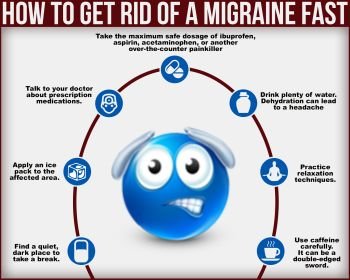
7.4 Over-the-counter options for treatment
8. Complementary therapies
8.1 Acupuncture and acupressure
8.2 Osteopathy and chiropractic
8.3 Homoeopathy
8.4 Alexander Technique
8.5 Massage therapies
8.6 Hypnosis
8.7 Yoga and meditation
8.8 Biofeedback
8.9 Feverfew
8.10 Minerals, vitamins and supplements
8.11 Reiki
9. Who can help me?
9.1 The community pharmacist
9.2 The general practitioner (GP)
9.3 The practice nurse
9.4 The health visitor
9.5 The community midwife
9.6 Who can offer specialist advice?
10. What do the doctor and specialist nurse need to know and why?
10.1 What the doctor needs to know and why
10.2 What the specialist headache nurse needs to know and why
11. Acute treatment
11.1 Acute treatments for migraine
11. 2 Acute treatments for cluster headache and paroxysmal hemicrania
11.3 Acute treatments for tension-type headache
12.1 Preventative treatment
12.2 Preventative drug treatment for migraine
12.3 Preventative drug treatment for cluster headache
12.4 Preventative drug treatment for tension-type headache
13 Tackling medication overuse headache
13.1Stopping the painkillers – the first step back to episodic headache
13.2 Coping without painkillers
13.3 Stopping taking triptans
13.4 Coping without triptans
14 Children and headaches
14.1 Diagnosing headache in children
14.2 Non-drug-treatment approaches
14.3 Acute drug treatments
14.4 Preventative treatment
15 Women, hormones and headaches
15.1 Menstrual migraine and menstrually associated migraine
15.2 Pregnancy
15.3 Contraception
15.4 During and after the menopause, and HRT
16. Research and the future
16. 1Research: the whys and wherefores
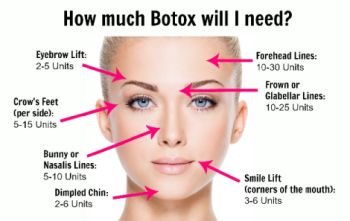
16.2 Botulinum toxin and headache: does it help?
16.3 Injection of the greater occipital nerve
16. 4 What about ‘holes in the heart’? PFO and migraine
CHAPTER TWO
1. Glossary of terms
2. References
3. Useful websites