Of the many nutrients required for growth and health, some must be provided by the diet while others can be made by the body.
1) Essential Nutrients – Nutrients the body cannot manufacture, or generally produce in sufficient amounts, are referred to as essential nutrients. Here essential means “required in the diet.”
All of the following nutrients are considered essential:
- Carbohydrates
- Certain amino acids (the essential amino acids: histidine, isoleucine, leucine, lysine, methionine, phenylalanine, threonine, tryptophan, and valine)
- Linoleic acid and alpha-linolenic acid (essential fatty acids)
- Vitamins
- Minerals
- Water
2) Nonessential Nutrients
Cholesterol, creatine, and glucose are examples of nonessential nutrients.
Nonessential nutrients are present in food and used by the body, but they do not have to be part of our diets. Many of the beneficial chemical substances in plants are not considered essential, for example, yet they play important roles in maintaining health.
Essential Nutrients Substances required for growth and health that cannot be produced, or produced in sufficient amounts, by the body. They must be obtained from the diet.
Essential Amino Acids Amino acids that cannot be synthesized in adequate amounts by humans and therefore must be obtained from the diet. Also called “indispensible amino acids.”
Nutrients required for growth and health that can be produced by the body from other components of the diet.
3) Requirements for Essential Nutrients
All humans require the same set of essential nutrients, but the amount of nutrients needed varies based on:
- Age
- Illness
- Body size
- Lifestyle habits (e.g., smoking, alcohol intake)
- Gender
- Genetic traits
- Medication use
- Growth
- Pregnancy and lactation
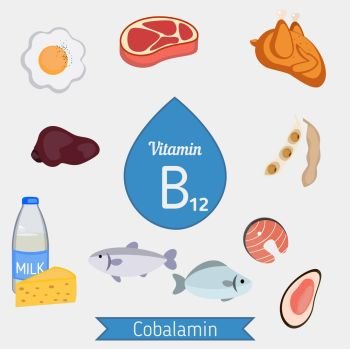
Amounts of essential nutrients required each day vary a great deal, from cups (for water) to micrograms (for example, for foliate and vitamin B12).