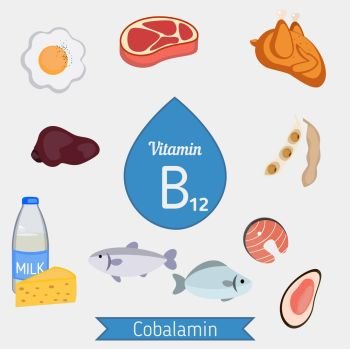
You need vitamins and minerals to use carbohydrates, fats, and proteins and to sustain numerous chemical reactions.
A deficiency of vitamins and minerals can cause ill effects ranging from fatigue to stunted growth, weak bones, and organ damage.
Many vitamins and minerals aid enzymes, which are substances that speed up reactions in your body. For example, many of the B vitamins function as coenzymes in the metabolism of carbohydrates and fats.
Many minerals, such as calcium and phosphorus, work with protein-containing hormones and enzymes to maintain and strengthen your teeth and bones. The fate of carbohydrates, protein, and fats in your body is very much dependent upon your consuming enough vitamins and minerals in your daily diet.
Vitamins are organic compounds that usually have to be obtained from your foods.
Your body is able to make some vitamins, such as vitamin D, but sometimes cannot make enough of it to maintain good health. In these situations, your diet has to supplement your body’s efforts.
Minerals are inorganic substances that play a role in body processes and are key to the structure of some tissues, such as bone.
A deficiency of any of the minerals can cause disease symptoms.
Anyone who has ever suffered from iron-deficiency anemia can tell you that falling short of your daily iron needs, for example, can cause fatigue and interfere with your ability to function.