What to expect: BOTOX® treatment for chronic migraines
FDA Approves Botox to Treat Chronic Migraines
Botulinum Toxin and Headache: Does it help?
Botox is one of those areas where everyone knows someone who feels that it helped them. The evidence, however, is not quite so positive, which is always disappointing, especially with such positive anecdotal experiences.
What is Botox?
Botox is a brand name for botulinum toxin A. Botulinum toxin is a neurotoxin, and is produced by a particular bug (bacterium) called Clostridium botulinum, which can cause botulism. Botulism is a condition of paralysis that affects both sides of the body and was thought, in the early 19th century, to be caused by eating spoiled sausage. The Latin for ‘black sausage’ is botulus, hence botulism.
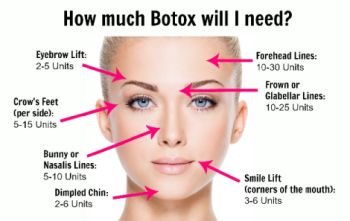
The toxin was first used to treat spasm in muscles, hence the popularity now with people wanting Botox injections for their facial wrinkles. It is also used to treat muscle problems in a wide range of conditions, including muscle spasm in people who have had a stroke and, more recently, for patients with headache
Is there any evidence that Botox can help tension-type headache?
Half of the studies did so far have looked at Botox and tensiontype headaches. Of the good-quality studies there was no evidence to support the use of Botox in treating tension-type headache. Of the middleranking, not quite so good, studies two said it helped and two said it didn’t. It was only the poorest quality studies that found it could help.
Is there any evidence that Botox can help migraine?
As with tension-type headache, one has to reflect on the quality of the studies and again it was only the poorest studies (three) that suggested it could help with migraine symptoms. The better studies gave conflicting reports, one saying it helped and the other saying it did not.
What constitutes a good Botox study?
As I have indicated in the first section of this chapter, there must be enough patients in both the active and the placebo groups. It is crucial that the patients taking part have the correct diagnosis, be it tension-type headache or migraine. Many of the studies on Botox were small, and may well have been too small to show a significant difference between the active and the placebo groups.
With Botox there must be consistency of the injection site among individuals and among study groups. There must also be standardization of the dose of Botox, and different doses need to be used to see which dose, if any, is effective.
Is Botox safe?
Although Botox is a toxin, it is generally accepted that it is safe at low doses. In the studies that looked at the use of Botox, side effects were reported more commonly in the treatment groups than in the placebo groups.
The sorts of side effects reported included:
• Facial weakness
• Difficulty swallowing
• Disturbed/unusual local sensation
• Pain at the injection site
• Muscle cramps
• Flu-like symptoms
• Feeling of weakness of neck muscles
• Transient, short-lived weakness of the eyelids or neck, or both
• Transient pain in the neck or jaw joint
What about the future and Botox?
There is no doubt that, before a final decision is reached about Botox, we need good studies that look at the different headache types, including migraine, tension-type headache and medication overuse headache, as well as cluster headache.
There must be studies that look at the dose needed to produce benefit and at exactly where those doses should be injected. There also needs to be adequate recording and documentation of side effects in both the treatment and the placebo groups.