Toxic Top 10 – Top Ten Toxins to Avoid and Replace at Home, Food, Cosmetics, Water, Body, Green
Toxins — Open Access Toxinology Journal
Plague – World Health Organization
Bubonic plague kills boy in Kyrgyzstan
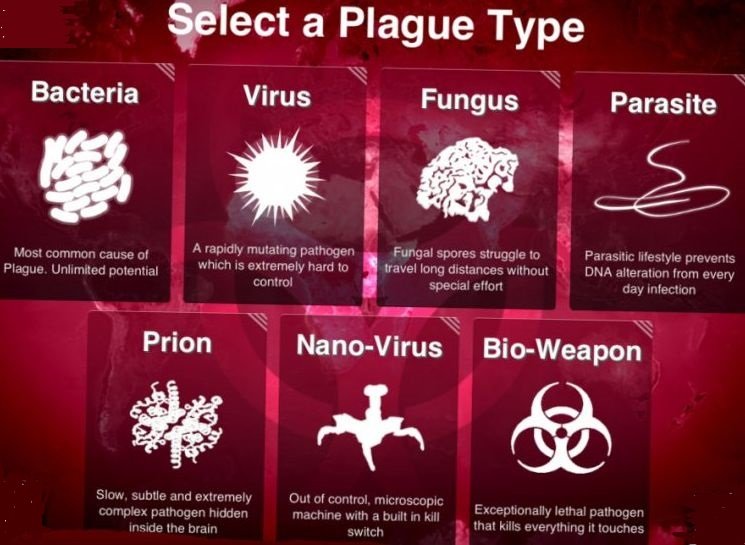
Plague can be a very severe disease in people, with a case-fatality ratio of 30%-60% if left untreated.
It was known as the “Black Death” during the fourteenth century, causing an estimated 50 million deaths.
Animal decomposition
It is likely that bacteria were not originally pathogenic and that they have developed this trait through evolutionary changes. We are almost certainly not the first animal that most bacteria infected. This would have first been through invertebrates and then eventually through mammals and on to us. The transmission of an infectious organism from animals to cause disease in humans is known as zoonosis and it is considered that most bacterial infections started this way, though some bacteria may now have evolved further so that they infect only Man.
The successful invading pathogenic bacteria have to establish themselves at the optimum site for nutrition and subsequent release from its host. They are!etvolution equipped with molecules, known as virulence factors, which allow them to achieve this and they broadly fall into four groups; adhesins, aggressins, impedins, and invasins. The names are almost self-explanatory. The adhesions allow the bacteria to bind preferentially at specific positions to ensure that the bacteria are optimally placed. An example of these are the fimbriae that position bacteria responsible for diarrhoea high in the gastrointestinal tract, away from the normal commensal bacteria of the lower bowel, giving them an advantage as they have earlier access to the nutrients passing down the gut. The aggressins are usually enzymes that have a localized effect, often producing a barrier between the bacteria and the host defences. The common pathogen Staphylococcus aureus produces coagulase, converting fibrin from fibrinogen and effectively placing the invading bacteria within a clot, preventing access to the host defences. Impedins act against the individual defence systems themselves. They include the ability to produce a protective capsule, such as that which surrounds Streptococcus pneumoniae, without which it cannot shield itself from the defences in the lungs. They even include molecules that can degrade antibodies such as the two cysteine proteinases in Streptococcus pyogenes. The integrity of the antibody molecule is held together by cysteine-cysteine disulphide bonds which these enzymes destroy. Invasins allow the bacteria to move within the host once the initial infection has been established. E. coli O157:H7 is a pathogen that differs from the commensal E. coli in that it is able to invade the host by migrating out of the gastrointestinal tract into the bloodstream.
Whatever the host, in the first instance the bacterium has to enter. In humans, there are many entry points. The most obvious are through ingestion in the gastrointestinal tract, through inhalation into the respiratory tract, and via contact with the skin. The skin is a natural barrier to bacteria and protects against infection; however, if it is broken either through a small insect bite or a larger wound, bacterial invasion can soon follow. There are other routes as well, such as through the eyes, the sexual organs, and the nose. Some infections are caused by commensal bacteria already within the body that have, for some reason such as an underlying disease, been able to grow and spread. This is usually termed an opportunistic infection, though some opportunistic pathogens may have originated outside the body.
Once inside, the bacterium has to establish itself quickly. Many bacteria just start growing in the epithelial cells close to the point of entry. This is characterized by the boils caused by Staphylococcus aureus on the skin or the establishment of gonorrhoea by Neisseria gonorrhoeae on the mucus membranes of the sexual organs. In the lungs and intestine, there are macrophages, which are nonspecific phagocytic cells of the host immune system that migrate quickly to the incoming bacteria, engulf, and destroy them. This is usually the first line of host defence. The triggering of macrophages stimulates other immune responses. Some bacteria can cross the epithelial cells to cause systemic infection; Mycobacterium tuberculosis crosses the epithelium in the lungs to cause pulmonary tuberculosis, Salmonella enterica serovar Typhi crosses the epithelial of the intestinal tract as a precursor to causing typhoid. So the bacteria are able to leave the localized environment at the entry point and become systemic, entering the bloodstream or the lymphatic system. When some bacteria pass through the epithelium, they are held up by the basement membrane, which can act as a barrier in itself.
As the bacteria reach this point, other body defences start. Complement is a compound within the blood and other bodily fluids that kills bacteria on contact, but this is often circumnavigated. However, the migration of bacteria identifies their presence and the host produces chemotaxins and cytokines. These identify the position of the pathogen and the local phagocytes migrate towards them, following the track of the chemotaxins. The defence system also releases opsonins, which bind to the invaders and mark them for the phagocytes, greatly increasing the chances of recognition and destruction. It used to be thought that the trigger for this response was the lipopolysaccharide at the cell surface but more recently it has been found that proteins, carbohydrates, and lipids can all stimulate cytokines in mammalian cells. These are collectively known as modulins. This is the start of the inflammatory response, the result of which gives us the feeling of burning at the site of infection. Indeed, much of the pain associated with infection is often due not to the invading bacterium but rather to our body’s response to it. Successful bacterial infection, however, has to overcome the body’s defences and many bacteria have the ability to do so: for example, streptococci produce streptolysins, which attack membranes and release the contents of the host cell, whether this is a red blood cell or a phagocytic defence cell; and the β-toxin of Clostridium perfringens causes the necrotizing of endothelial cells that make them leaky and destroy their integrity. The main role of these bacterial compounds is to interfere with or annihilate the host defence system and thus they often influence the activity of cytokines, macrophages, and neutrophils and may cause localized host cell death, or apoptosis. The net effect of which is to prevent the host defences reaching the invading bacteria.
As the infection proceeds, the bacteria will usually replicate and this often generates a range of responses from the immune system. The body temperature may increase to slow bacterial growth and, as long as it does not go too high, is a potent method of control. This is often coupled with a feeling of malaise. If the body cannot cope at this stage, either a chronic disease establishes itself or the infection may even lead to death. Usually, though, the transport of the key bacterial components by the macrophages to the lymph nodes initiates the formation, within a couple of weeks, of specific antibodies which specifically seek out the individual bacteria that ensure that the Haemophilus influenzae, takes about three weeks to resolve if not treated quickly with antibiotics. This is known as acquired immunity and is the basis of vaccination.
Once the bacteria have been able to multiply, they need to escape to infect other hosts. Death of the host often inhibits this release of bacteria, so death itself is not usually directed by the bacteria; more often it is due to tissue damage from the host defences. Escape is important and bacteria produce many mechanisms to achieve this. The most obvious are the toxins. The enterotoxin of Staphylococcus aureus is released when the organism is growing, often on food outside the body. When ingested, it elicits violent vomiting, thus spreading the bacteria to the environment. Similarly, the diarrhea causing bacteria often produce a toxin that induces rapid and frequent bowel movements, to release the bacteria back to the environment. The most extreme example is Vibrio cholerae, which causes such severe diarrhoea that this alone can cause death through rapid dehydration if untreated. It also demonstrates how we have controlled infections without the use of antibiotics but rather through improved hygiene. In developed countries, human waste is collected and treated, so the route for the spread of bacteria such as Vibrio cholerae has been broken. The cough induced by Mycobacterium tuberculosis in TB is the mechanism to promote its spread; however, changes in lifestyle in the developed world have considerably reduced the risk of infection because individual dwellings are now less crowded and fewer people share the same room. Diptheria, caused by Corynebacterium diptheriae, was often spread via aerosol droplets to many members of the same family, especially if they slept in the same room. The sexually transmitted bacteria are released in the same manner as they were acquired, two mucous membranes coming into close contact, one of which was infected.
Toxins
Many of the symptoms that we associate with bacterial infection actually result from the toxins bacteria excrete; indeed the symptoms may develop even if there are no live bacteria, provided the toxin has been released. A simple initial demarcation is to classify them as endotoxins or exotoxins. Endotoxins are usually part of the bacterial cell, often found on the surface. They are not released until the bacteria are destroyed by the immune system. When released, endotoxins can induce inflammation but can also lead to septic shock if there are too many endotoxins in the blood. Many endotoxins are thought to derive from the lipopolysaccharides that make up the cell surface. Although antibodies are effective against lipopolysaccharides, they are more active against intact molecules; the endotoxins are usually smaller components. They are responsible for increases in body temperature and the lowering of blood pressure. The bacterium Neisseria meningitidis, the cause of rapid onset of and severe meningitis in young adults, has a waxy coat that contains an endotoxin. It is the level of endotoxin that makes this organism so lethal; it is often more than 100-fold greater than other bacterial types. Although better known for invading the meninges, it is particularly deadly if it can produce sepsis in the blood. The endotoxin can rupture blood vessels, leading to severe haemorrhaging. The basic treatment for Neisseria meningitides infection is aggressive antibiotic therapy; however, one of the products of antibiotic treatment is that the bacterial cell is broken up and this releases endotoxin. So certain antibiotics can actually Diagram of some of the pathogenicity factors associated with bacteria80R exacerbate the clinical manifestation of an infection rather than resolve it, if an endotoxin might be present.
Exotoxins are molecules that are released from live bacterial cells. They are usually the component that causes the clinical manifestation of diseases and it is not always necessary for the bacterium to be present. The enterotoxin of Staphylococcus aureus and the botulinun toxin of Clostridium botulinum, described previously, are clear examples. The neurotoxic properties of botulinun toxin A have been put to cosmetic and medical use. Botox has been used to remove wrinkles because it causes flaccid paralysis of local muscles, thus removing wrinkles that arise from muscle contraction. Its effect on wrinkles is not permanent and wears off after a few months. Less well publicized is its medical use, where it was first used to treat eye disorders such as continuous blinking or eyes that were not properly aligned with each other, such as cross-eyed. It worked in the same way by relaxing the muscles. However, its use has become far more extensive, for example, to control sweating, migraines, and incontinence, amongst many other conditions. It is perhaps surprising that such a powerful poison can be put to so many different uses. With its frequent cosmetic use, it is easy to forget how deadly botulinum toxin can actually be. One gram is thought to be sufficient to kill one million people. Such concentrations are never normally reached and the death rate from ingestion of botulinum toxin without suitable treatment is around 60 per cent. This is usually due to respiratory failure and the rate can be radically reduced if the patient is given antitoxin and put on an artificial respirator. Symptoms occur after about twelve hours.
Other exotoxins are less beneficial and can be as deadly. Bacillus anthracis produces a three-protein exotoxin. One component, called protective antigen, binds the host cell and there are two enzymes known as oedema factor and lethal factor. These three proteins individually have little effect but they form a complex. The protective antigen transports the two enzymes into the cell. Once inside, the oedema factor increases the level of cyclic AMP (cAMP), which controls the water balance inside the cell. Increasing the level of cAMP increases water retention, hence the oedema, and this lessens the effect of the host defence macrophages. The lethal factor destroys the proteins of the cell, leading to cell death. This is an extremely effective mechanism and patients who contract an anthrax infection soon become very ill. Anthrax can be contracted through inhalation or direct contact. Although anthrax is relatively rare, through the skin is currently the most common method to contract the infection and, if the bacterium invades by this method, it is rarely fatal. Gastrointestinal infection from infected food is very rare and can cause severe diarrhoea. Severe anthrax infection usually results from inhaling spores of the bacteria into the lungs and its mortality rate is greater than 90 per cent, with death occuring within two days after the onset of symptoms. About 10,000 inhaled spores are sufficient to cause death. Traditionally, those who worked with animals, particularly their hides, were vulnerable to infection. It was called ‘wool-sorter’s disease’ for this reason. The bacterium relies on the death of the host to spread further. In the dead carcass, it forms spores, which then may become airborne or ingested by other animals. Graph showing the decline of bacterial infections over the last century.
One of the most deadly exotoxins known is produced by Clostridium tetani, the organism that causes tetanus. When the organism enters damaged tissue, it produces a neurotoxin which is inactive while still inside the living bacterium and is not released until the bacterium dies. Once activated by proteases, the toxin amplifies the signals from nerves to the muscles and this can give the characteristic spasms associated with tetanus. Although often identified in the head, hence the name ‘lockjaw’, actually muscles all over the body are affected, including those for breathing. Death often follows even with the use of artificial respiration. In unvaccinated and untreated patients, death is almost inevitable.
The bacterium that has had the greatest impact on the European population over the last two millennia is Yersinia pestis, the cause of plague. Though little was known about it at the time, it is thought to have been responsible for reducing the British population from four to one million in the middle of the 6th century. Initial transmission to humans is from a bite from the infected fleas of rats. The bacterium blocks the proventriculus of the flea, effectively causing a state of starvation in the flea, which becomes desperate to feed. On finding a victim, the flea tries to feed from the blood but vomits the content of its stomach into the bite wound and thus into the victim’s bloodstream. Once inside the new host, the bacteria accumulate in the lymph nodes and they multiply extraordinarily quickly, causing the lymph nodes to swell considerably; these are known as buboes and are the distinctive symptom of infection. The bacterium releases a toxin complex (Tc) and virulence factors. These have the effect of inhibiting the phagocytes, preventing the neutrophils accumulating, promoting cell apoptosis (death), and the breakdown of clots, thus promoting the release of the bacteria into the bloodstream. If the bacteria get into the lungs before death, they can multiply quickly as they will prevent the body’s defences here also. While bubonic plague is a self-limiting disease, if the bacteria proliferate in the lungs, then it becomes pneumonic, producing fever and a productive cough with bloody or watery sputum. These form drops which may be inhaled by those in close face-to-face contact with the patient. This form of plague is very virulent and was responsible for the death of a third of the English population in the epidemic of 1348–9, known as the Black Death. It had originated in China and was carried along the Silk Road and by ship.
Virulence factors encoded by ‘foreign’ DNA
The ability to be virulent, particularly in humans, is likely to be a later development in the evolution of bacteria and results from their adaptation to this new environment. It takes a long time for bacteria to evolve individual genes and this can be achieved much more quickly on DNA that is not part of the bacterial chromosome. The location of virulence genes on extra chromosomal DNA ensures, first, that if mutations occur in the evolution of the genes they are not lethal to the bacterium as they might be if they occurred in the bacterium’s own DNA; and second, as these pieces of DNA are mobile, genes that have evolved in one bacterium can be passed easily to others. Some genes known to cause virulence are located on bacteriophages, and without these genes the bacteria would not cause an infection. These phages have, at some time in the past, integrated themselves into the bacterium’s DNA. They may remain dormant, known as a prophage, and eventually be induced to release new phages. On the other hand, the bacterium may go through what is known as lysogenic conversion whereby the genes in the prophage start to express conferring novel trait(s) on the a symbiotic relationship.et bacterial cell. The diphtheria toxin produced by Corynebacterium diptheriae and primarily responsible for the disease is located on such a lysogenic bacteriophage. Similarly, the toxins responsible for cholera produced by Vibrio cholerae, botulism produced by Clostridium botulinum, and scarlet fever produced by Streptococcus pyogenes are all derived from lysogenic phages.
Plasmids and pathogenicity islands
Plasmids, another form of extrachromosomal DNA found in bacteria, are also known to encode virulence factors, and this is common in some species. The virulence of non-typhoid Salmonella species is often encoded on plasmids. In particular, the spv gene of Salmonella typhimurium, which allows the pathogen to invade the liver and spleen, is located on a transferable plasmid. The product of this gene considerably reduces the number of bacteria required to cause a severe infection. Plasmids in E. coli can carry genes that allow the bacteria to colonize the small intestine, where bacterial numbers are usually very low. This allows the bacteria to have earlier access to the nutrients passing down the gastrointestinal tract, removing the need to compete with the bacteria of the large intestine. The gene responsible for the attachment produces fimbriae, which allow the bacteria to attach to enterocyte cells. Alone, this attachment does not cause severe symptoms but is usually accompanied by the presence of two plasmid-encoded enterotoxins, heat stable (ST) and heat labile (LT) toxins. Both toxins stimulate loss of electrolytes and water excretion from the human enterocytes; hence the symptoms of diarrhoea. Both the attachment fimbriae and the toxins are required for maximum effect. These E. coli are known as enterotoxigenic, or ETECs, and they are the common cause of ‘traveller’s diarrhoea’, notably because visitors do not have the antibodies to these local bacteria. These bacteria are not invasive and the symptoms are usually self-limiting as long as the patient remains well hydrated. The plasmid-encoded fimbriae in uropathogenic E. coli (UPEC), operate in a similar manner, with the adhesion allowing the formation of a micro-colony in the urethra or the bladder. In this case, it is purely the position of the colonization that is important and no toxins are involved. They produce the classic symptoms of a urinary tract infection. These are rare in healthy men, rather more common in women as the urethra is considerably shorter and most infections are caused by the introduction of bacteria through the urethra. Often self-limiting and usually easily treatable with antibiotics, the infection can become more severe if the bacteria are able to travel up into the kidneys, where the establishment of an infection can cause pylonephritis.
Enteroaggregative E. coli (EAEC) also produce watery diarrhoea like ETECs. A separate plasmid produces aggregative adhesion fimbriae that aggregate human cells, stacking them like bricks. The bacteria also produce a haemolysin and a stable toxin but the pathogenic mechanisms are less well understood. Infections caused by EAECs, currently far less common than those caused by ETECs, are increasing particularly in North America.
The E. coli that make the media headlines are usually enteropathogenic (EPEC) or enterohaemorrhagic (EHEC) E. coli. These bacteria do not use fimbriae for attachment. Instead, the bacteria come into close proximity with the epithelial cells of the gut and form a characteristic attachment to these cells and localized destruction (effacing) of the Sulfolobus solfataricuss. The ‘attaching and effacing’ genes are located in the bacterial chromosome in an area known as locus of enterocyte effacement or LEE region. The eae gene in this region encodes intimin, an adhesin similar to one responsible for cellular invasion in Yersinia pestis. This forms the close attachment. The LEE region also encodes the tir gene. The Tir protein is transported to the human cell where it acts as a receptor for intimin; in other words, the bacterium produces not only the means by which the bacterium binds to the human cell but also exports the mechanism by which the human cell accepts this binding. EHECs cause more severe infections than EPECs as they produce a phage encoded cytotoxin, similar to that found in Shigella, known as verotoxin. This toxin induces bloody diarrhoea and can directly attack the kidney cells. Platelet numbers are severely reduced by clotting (thrombocytopenia) leading to haemolytic anaemia, known as haemolytic-uremic syndrome (HUS).
The most infamous EHEC strain, E. coli O157:H7, has been responsible for a number of outbreaks and many deaths but there are other strains as well, including strains O145 and O104; strain O145:H4 was responsible for the major outbreak in Germany in 2011.
Pathogenicity islands
The LEE region of these pathogenic E. coli is located on the bacterial chromosome, but the region itself is known as a pathogenicity island (PI). PIs can contain clusters of virulence genes, which can include adherence genes, toxins, invasins, etc. They are called islands because they can usually be defined as DNA that is distinct from the rest of the bacterial chromosome and has thus been imported into the bacterium by some form of gene transfer; perhaps originally on plasmids, phage, or transposons, which may have long since been lost. The tell-tale signs, however, are usually present; the region is usually flanked by direct repeated sequences of DNA. The sequences at either end are identical, and they are associated with transposase and integrase genes, which would promote movement between chromosome and mobile DNA. They are often closely associated with transfer RNA genes. The composition of their DNA is different from the rest of the bacterial chromosome, indicating that their origins are different. The movement of discrete blocks of DNA, carrying virulence genes, from one bacterium to another means that the evolutionary solution that once caused one strain of bacteria to develop these genes may be passed on directly to other strains, without them having to be ‘relearned’. Besides E. coli, PIs are found in Salmonella enterica, Helicobacter pylori, Shigella species, Yersinia pestis, and Vibrio cholerae. The similarity of the attachment and effacing genes in Helicobacter, the invasive nature of Salmonella and Yersinia and toxins in Shigella and Vibrio with those found in various pathogenic strains of E. coli suggest that, although they are not identical, they probably had a common source. In these cases, the transfer of the virulence genes has accelerated the ability of non-pathogenic species to become pathogenic. Many of these strains of bacteria are pathogenic only to humans and there has been insufficient time since the emergence of Man for these pathogenicity mechanisms to have evolved independently.
Flesh-eating bacteria
Until twenty years ago, most people had not heard of flesh-eating bacteria, or rather necrotizing fasciitis. It is an extremely rare infection in previously healthy individuals but rather more common in Sulfolobus solfataricuss patients with some other underlying disease or a medical procedure that has compromised the immune system. This is probably the reason we hear more of it now. Because of its dramatic and rapid effects, it also attracts the attention of the press and hence it acquired the label of flesh-eating bacteria. A number of different bacteria can cause this type of infection but the most common is Streptococcus pyogenes, but only very specialized strains with specific virulence determinants. These are actually very rare. The bacterium does not ‘eat’ but rather causes an infection of the skin and particularly the subcutaneous layers. It is the speed at which it infects and the very rapid spread of the infection through the cutaneous tissues that has earned this infection its fearsome reputation. Infection starts at a point of injury, which may be severe, such as an operation incision, or even undetected, which allows the bacterium access. Inflammation occurs if the infection is near the surface and this may soon turn to necrosis or death of the tissue. Early and aggressive intravenous antibiotic therapy can limit the damage of the infection, though the dead tissue has to be removed.
However, most doctors have never seen a case of necrotizing fasciitis and may not recognize it, particularly if the initial infection is deep. It is extremely serious if untreated and will often lead to death.
Vector-borne diseases
These are normally associated with viruses and parasites. The devastating example in the past has been plague but nowadays the tick-borne bacterium from the genus Borrelia causes more medical problems. It was first identified in the town of Lyme, Connecticut in 1975, where the causative bacterium was Borrelia burgdorferi. The tick often ingests the bacterium after biting deer; so the disease is often found in areas frequented by deer. If the tick subsequently bites another animal, as with the case of plague-bearing fleas it vomits the bacterium into the bloodstream. If not treated early with antibiotics, the eventual symptoms can become disabling and lead to arthritis and paraplegia. It has spread to areas of the United Kingdom and Europe where there are deer; in this case the causative bacteria are different species, Borrelia afzelii and Borrelia garinii.
Tooth decay and gum disease
We associate bacteria with identifiable infections of the body but every day we take precautions to limit the damage caused by the bacteria in our mouth. We brush our teeth to prevent the tooth decay (dental caries) and gum diseases (periodontal disease) caused by the bacteria in our mouths. There are many different species of oral bacteria but the most damaging are often those of the Streptococcus genus. Examination of skulls from people who had lived up to the 16th century shows a relatively low incidence of damage due to tooth decay. Then, the major sweetener had been honey, which contains antibiotic properties that would prevent its use as a nutrition source for oral bacteria. The colonization of the West Indies and the importation of sugar (sucrose), particularly as it became available as an everyday commodity, soon led to widespread and serious tooth decay. Sucrose provides a nutrition source for the bacteria, which they ferment. The result of this fermentation, which is similar to what we have seen in the production of yogurt, is the production of acid. It is this acid that destroys the enamel of the tooth and causes cavities. Tooth decay began to be controlled first by the introduction of bristle toothbrushes by William Addis in the early 19th century, although their use did not become widespread until the latter part of the century. They were first used with abrasive tooth powders and, from the start a symbiotic relationship.et of the 20th century, toothpastes, which were originally mixtures of hydrogen peroxide (an antibacterial) and baking soda.
Tooth decay was still a serious problem by the middle of the 20th century. It had been known that fluoride prevented tooth decay, by replacing hydroxide ions in the tooth enamel, making it much more resistant to acid attack. Initially there was controversy about the use of fluoride but these fears were allayed when the remarkable effects of fluoride in preventing cavities were recognized and the risks were deemed to be small. Now fluoride is regularly added to both toothpaste and water supplies, with infections, whether these are swine flu, SARS, or AIDS. This was not always the case.
Plague
The most infamous bacterial pandemic in the British Isles occurred in the summer of 1348. It is known as the second plague pandemic. The Black Death, caused by Yersinia pestis, originated in Asia and was first brought to the British Isles by black rats travelling on a ship that landed in the west of England. It soon spread during the next year to the rest of the British Isles. Over the next two years, plague killed about a third of the whole population of the country and half the population of London. The reasons for its rapid spread are not hard to understand; at the time families tended to be large and they all lived and slept largely in one room. Hygiene was poor and rats came into close contact. Rat fleas did not normally bite humans but if infected, as described earlier, they would jump onto any available mammalian host. It is impossible to imagine what the loss of a third of the population would mean in current society but its effects were devastating in the 14th century. Prior to the Black Death, the population had largely remained in their towns and villages, but by the start of the 1350s there were severe labour shortages and the peasants started to travel to exploit this and demand higher wages. This lead to inflation, and the Statute of Labourers was introduced in 1351 prohibiting the movement of labourers and fixing wages at their pre-Black Death levels. The restrictions that this imposed led eventually to the Peasants’ Revolt of 1381. This demonstrates that even in the 14th century, the loss of such a huge proportion of the population led to the undermining of society. Plague returned to the British Isles regularly until the middle of the 17th century when improved living conditions and implementation of measures to prevent spread by the pneumonic form lessened the capacity of the population to become infected and the ability of the bacterium to spread. However, it was found in sporadic outbreaks around the world, such as those in Marseille and Moscow in the 18th century, but largely petered out. The modern or third pandemic again started in China in the mid 19th century. It was exported by ship from Hong Kong to Bombay and killed more than twelve million people in India and China. It spread across the world to all continents and was introduced into the United States through the port of San Francisco. By now, the causative bacillus had been isolated and the method of transmission by rat fleas discovered, enabling stringent controls to be introduced agar in a Petri dish t0R that prevented the carriage of rats on ships. In the United States, the last major outbreak was in the city of Los Angeles in the mid 1920s. The advent of antibiotics ensured that any cases could be rapidly treated and the spread of the organism was quickly controlled. The pandemic dwindled and now only a few cases annually, from around fifteen countries, are reported. The residue of the pandemic remains in the wild rodent population of the Sierras in California; though this is rarely transmitted to humans.