Healthy Heart Fitness Pointers
A vegetarian diet is healthier. Instead of meat, eat unsaturated vegetarian proteins – such as soybeans, tofu, beans, raw seeds; sunflower, sesame, flaxseed, pumpkin and raw nuts such as almonds, pecans, brazil, hazel, walnut and pine nuts.
Use no salt -toss salt shaker
Eat no dairy products – milk, cheese, butter – high in clogging, saturated fats. (Use soy and rice milk products.)
If you want eggs, eat only 2 or 3 a week. Organically fed free-range chicken eggs are best.
Fruits and vegetables – organic, raw or lightly cooked – should form 60% to 70% of your diet.
Don’t use white sugar or the commercial substitutes, aspartame, etc. – they contain harmful chemicals. (Use raw honey and *stevia drops in place of sugar.)
STEVIA – World’s Healthiest Sweetner
Stevia drops (2 drops =1 tsp sugar) from a South African plant, helps regulate blood sugar and lowers blood pressure, but doesn’t affect normal blood pressure. Calorie-free Stevia is suitable for diabetics, safe for children and doesn’t cause cavities. It helps mental alertness, combats fatigue and improves digestion. See www.stevia.com
Fast for 24 hour period weekly. This gives heart and vital organs a physiological rest. It will also help reduce cholesterol and toxins in the arteries.
A low-fat diet, ample exercise and brisk walking with deep breathing helps you keep cholesterol levels normal
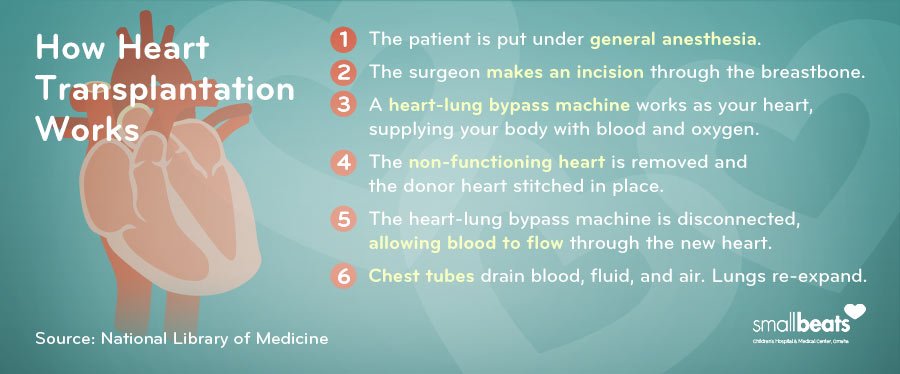
Our Opinion of Heart Transplants
When the first heart transplants were announced the newspapers reported every detail. The average person wants to hear this kind of news. They always want the easy way out. If your heart goes bad, just have another put in! Sounds wonderful! Why take care of your heart when you can get a new one when the old one falls apart? The first experiments with heart transplants were, of course, done with animals. The medical researchers reasoned that if heart transplants would work on animals, they would work on humans. Dr. Barnard of Africa performed heart transplants on 50 dogs – all died.
Heart Transplants – Risky and Costly
If success were judged during the first 24 hours after the operation, it would have been rated a success. After 2 days, complications arose, the same rejection problems that could not be solved in the animal experiments. (Interesting: pigs and human hearts are similar in size, etc.)
The body survives in a hostile environment only because it can fight off the invasion by toxic poisons, bacteria, viruses and other foreign matter. The same mechanism attacks the transplanted heart and can slowly destroy it. This difficulty was apparent also in early kidney transplants, with a survival rate of 5% (today it’s 95%, but requires huge ongoing use of costly toxic drugs).
The major problem in heart and kidney transplants is tissue rejection. The body wants nothing to do with a foreign object – and that’s exactly how it views the new organ! No matter how healthy the new heart or kidney may be, it’s not a natural part of the body it’s being placed in (Example: wood splinter in finger).To date medical science has found nothing natural – only immuno-suppressant drugs – which helps overcome this rejection of new tissues or organs by the body, and in our opinion, never will.
According to Life Magazine cover story on heart transplants, the average wait for a new heart is 207 days, which jeopardizes the waiting patient’s health and results in hugh astronomical medical bills! A heart transplant operation will cost over $100,000 and to maintain it, will cost over $20,000 per year for life!
We wish that we believed these transplants will eventually work as well as your own healthy heart. (Doctors are planning to use pig hearts soon.) Today, scientific facts show that heart disease can be avoided.
A healthy body is a guest-chamber for the soul and a sick body is a prison. – Francis Bacon
We believe in prevention. We agree thoroughly with the American Heart Association when it says that the heart needs daily exercise and a healthy, balanced diet with ample fruits and vegetables in order to remain healthy.
Build Yourself a Healthy Heart
We do not personally believe in heart transplants. We believe that the first thing you should do is to live life so that you will not damage your heart. While outlining our Heart Fitness Program we have told you in detail about the vicious enemies of the heart. Know your enemies and keep away from them! If you have lived a haphazard life and have damaged your heart, we believe that you can still make a comeback and build a healthy heart for yourself. Remember that your body is self-cleansing, repairing and healing! Given the chance, it will do its best to rebuild a vigorous heart for you. But you must work with your body – not against it!
General public knowledge of the heart is crammed with fallacies as well as facts. Let’s consider some of these 172 misconceptions that we so frequently hear about:
Should the Heart Patient Always Rest?
No! The belief that a coronary always means the end of an active life is widespread – and quite wrong! Most coronary occlusions (heart attacks) involve only a small branch of the coronary tree or system of blood vessels. The blocked artery may be naturally bypassed by the collateral channels which lie unused in the heart tissues awaiting just this eventuality. The new circulatory route may be so efficient that the patient may have no disability at all after recovery! Your body is a miracle.
Certainly the process of healing is assisted if the body is rested during the acute phase of the attack. The degree and duration of any activities should be decided by your own doctor. Once healing is complete, however, further rest rarely achieves anything of value. To the contrary, it is likely to increase disability by adding the ill effects of physical unfitness and loss of self-confidence.
See your doctor if you’re resting heart rate is faster than 100 beats per minute.
Is Exertion Harmful After a Heart Attack?
This is a variation of the same theme as the need for rest and is usually just as wrong. The heart has enormous reserves of power which are seldom – if ever – used in ordinary living. It is this reserve which enables individuals to perform apparently superhuman feats in times of crisis or in an emergency. Athletes constantly call upon this reserve – the runner who covers a mile in 4 minutes, for example, or the 50-mile endurance swimmer.
The reserve power of the heart is not greatly decreased and is available for use even after many heart attacks. It should not be abused, of course. Generally, the heart patient who over-exerts himself will develop warning symptoms – some chest pain, angina and maybe even breathlessness. This is Mother Nature’s way of telling him to slow down. Similar symptoms, however, may be the result of physical unfitness, unusual stress or tension, or emotional upsets and fatigue.
The thing we want you to remember is that your body is always undergoing change. You are not now the same person that you were a minute ago. The body is always undergoing endless change, for better or worse. Every moment of your life old cells are being sloughed off and new healthy ones hopefully are taking their place.
The question you must ask yourself is, what kind of new cells am I making for my body? Am I building these new tissues with healthy food or unhealthy food?
If you drink alcohol, coffee, tea, cola drinks and eats refined white bread, refined sugar, salted or rich, fatty foods you are going to make weak body cells that will prematurely decay, causing you health problems! It’s all in your hands! We can only guide you to help yourself.
Stress and emotional turmoil can cause or worsen high blood pressure. Reduce stress through regular exercise, which should be a part of everyone’s lifestyle for various reasons, not the least of which is lower blood pressure and improved heart health.
If you have had a heart condition, start today to systematically and efficiently build a fit heart and strong circulatory system. Please don’t think a bad heart means a permanent farewell to those healthy activities which are a major part of the enjoyment of life – it isn’t!
According to studies done in the book, 8 Steps to a Healthy Heart by Robert Kowalski, life after heart problems can be rich and fulfilling, but only if the patient and his family take the steps needed to assure that recovery includes treatment of both mind and body. Attending a cardiac rehabilitation program is beneficial for both the patient and family members; there they can share their feelings with other patients who have gone through cardiac experiences. It bridges families together and gives support to those in need. Mended Hearts, Inc. is highly recommended and offers help, support, and encouragement to heart disease patients and their families. (See www.mendedhearts.org)
Face the Challenge – Change Your Bad Habits
Face this challenge and start changing your bad habits of living into good, healthy habits. This is both a mental and a physical process. Your mind must control your body! Never let the body be in command! That is the duty of the mind. It must command the body to absolute obedience to its will. The whole person is at its best when mind and body work as a team. Then you can enjoy more Supreme Health!
Tell me what you eat and I will tell you what you are. For you is what you eat! What you eat today will be walking and talking tomorrow. – Paul C. Bragg