Preventing coronary heart disease
Strategies to prevent heart disease
10 Tips to Prevent Heart Disease And Stroke
How to Help Prevent Heart Disease – At Any Age
How much will my attitude contribute to my recovery? How do I live after having had a heart attack?
After recovering from a heart attack, you have two major goals. One is the development of a special individual plan to restore your emotional as well as your physical ability to return to a normal and healthy life.
The second is control of all coronary risk factors to prevent a second heart attack. Thus, cardiac rehabilitation programs focus on three main areas: regular medical check-ups with proper medications, lifestyle adjustment with proper changes, and emotional adjustment.
It is extremely important to remember that the underlying coronary atherosclerotic process (hardening of the coronary arteries) has not disappeared or stopped even if you have been lucky enough to recover from a heart attack. In addition, it should be stressed that a second heart attack is often more serious than the first attack. Thus, recovery from a second heart attack may be even more difficult and your chances lessened.
Therefore, in recovery, you must control, minimize, or eliminate all coronary risk factors more carefully to prevent a second heart attack.
Your doctor can help you decide whether cholesterol-lowering medications would be useful. Such medications are recommended in following situations:
• Markedly elevated total cholesterol more than 240 mg/dL and/or markedly elevated LDL (bad) cholesterol more than 160 mg/dL, particularly with low HDL (good) cholesterol less than 35 mg/dL. Cholesterol – lowering medications may be used when low cholesterol diets and physical exercise aren’t effective.
• Moderately abnormal cholesterol levels that are present despite a low-cholesterol diet with proper exercise, especially when one or more additional risk factors are present or coronary artery disease has already been diagnosed.
There are many cholesterol-lowering medications (e.g., Lipitor, Zocor, Mevacor) available for clinical use, but proper medication for each patient will be determined by his or her physician depending upon the clinical circumstances. It is very important to remember that every individual with known coronary risk factors should be evaluated and treated regularly by his or her physician.
How do I prevent another heart attack?
Patient comment:
When you are lucky enough to recover from a heart attack, you should try very hard to prevent the second heart attack. As you already know by now, the underlying process of the hardening of arteries (atherosclerosis) that causes a heart attack never stops. Therefore, coronary risk factors must be controlled as best you can.
Your risk of another heart attack can be greatly lowered by using the common-sense approaches listed below.
• Have regular medical check-ups. Regular medical check-ups are highly recommended even for apparently healthy people (men above the age of 35 and women above 40) to make certain that any coronary risk factors or any signs of heart diseases are discovered. Regular medical check-ups should
consist of the baseline blood tests, including blood levels of cholesterols and triglycerides, and rest ECG. When any abnormalities show up in the test results or when your doctor detects any abnormal physical findings during a medical check-up, various additional diagnostic tests (e.g., echocardiogram, stress ECG test, coronary angiogram, and cardiac catheterization) may be necessary. When any known coronary risk factor, particularly a hereditary factor, is found, regular medical check-ups are needed even for much younger people.
• Eliminate or control coronary risk factors. Millions of people have one or more coronary risk factors, but many people do not know about them or simply ignore them. The hereditary factor is beyond your control, but the remaining coronary risk factors can be controlled if you are motivated enough to understand them and to try hard to reduce their effects. Smoking is just one major coronary risk factor that can be completely eliminated if the individual is willing to work hard to eliminate it from his or her life-and the prospect of another heart attack can provide high motivation. Remember that multiple coronary risk factors have a cumulative effect (that is, they multiply the effects of each individual factor) which speeds up the atherosclerotic process ( a low-calorie process of hardening of arteries) so that it can occur very rapidly even among young people. Remember that there are often few or no symptoms in the presence of various coronary risk factors, such as high BP (hypertension), abnormal blood cholesterol levels, and diabetes – this is why heart disease is called a “silent killer.” Thus, there is no way of knowing these risk factors unless regular medical check-ups with the baseline diagnostic tests are performed.
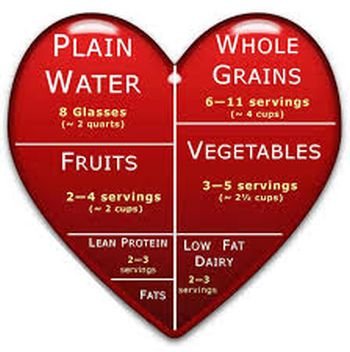
• Eat a healthy diet. A healthy diet colow calorie of foods with a lot of vegetables, fruits, fish, and chicken (without skin). Consumption of cholesterolrich foods, such as red meats (e.g., beef, pork), butter, egg yolk, cheese, and ice cream, should be kept to a minimum. The average person should consume approximately 2,000 calories a day for good health.
• Get regular exercise. It is highly recommended to engage in a regular and proper exercise program throughout life. Recommended exercise may include brisk walking, jogging, swimming, dancing (moderate tempo), golfing and tennis (not competitive).
This does not mean you must join a gym or work out strenuously for hours on end. You do not need to become a “hard body” to have good health. Even a person who is overweight with high BP, abnormal blood cholesterol levels, and diabetes will see significant benefits from an exercise program of walking 30 minutes a day 3 to 4 times a week. Exercise is also improves emotional well being; a person who follows a simple, regular exercise program will feel happier and less stressed.
• Avoid overexertion. For people with heart problems, there are some limitations. You should avoid physical exercise on a very cold or hot day (especially with high humidity). Shoveling a snow-covered driveway on a cold day is extremely dangerous for older people, particularly those with coronary risk factors. Likewise, you should avoid any exercise for 1 to 2 hours after a heavy meal and/or alcohol consumption. Vigorous or competitive sports among older adults, particularly with known coronary risk factors or a previous history of heart attack(s), are rather dangerous and may even be fatal. Playing any sport alone is not advisable for people with coronary risk factors.
• Limit alcohol consumption. Alcohol use is not a coronary risk factor, but excessive consumption can be harmful in many ways. Alcohol may trigger various abnormal heart rhythms and may raise BP. In addition, excessive consumption of alcohol causes cardiomyopathy (heart muscle disease) and can reduce the pumping action of the heart in people with congestive heart failure (diminished pumping action of the heart). Alcohol may also produce abnormal blood levels of cholesterol and triglyceride.
• Avoid stress. Unnecessary stress should be avoided as much as possible, particularly for older adults and people with coronary risk factors and/or previous heart attack(s). People who habitually experience strong negative emotions, particularly anger, have a much higher likelihood of heart attacks than those who are realistic, optimistic, generous, and happy. It is not unusual for angry people, particularly men, to suffer a heart attack before the age of 40 even without other coronary risk factors. Therefore, practices that help to calm anger and other strong emotion can help prevent heart attacks. Techniques such as meditation, anger management instruction, yoga, tai chi, and exercise can be useful in learning to avoid negative emotions.
• Ask for cooperation and support from your spouse or partner. If you are in a marriage or long-term relationship, it is extremely important to have full cooperation and support from your partner, particularly for older adults and people with known coronary risk factors or previous heart attack(s). Eating a healthy diet often requires your spouse to change his or her eating and cooking habits as well, so it is crucial that your spouse work with you. As you try to change your lifestyle to reduce your risk of heart attack, pay attention to your relationship with your spouse or partner, and seek ways to reduce the stress of your life changes on both of you.
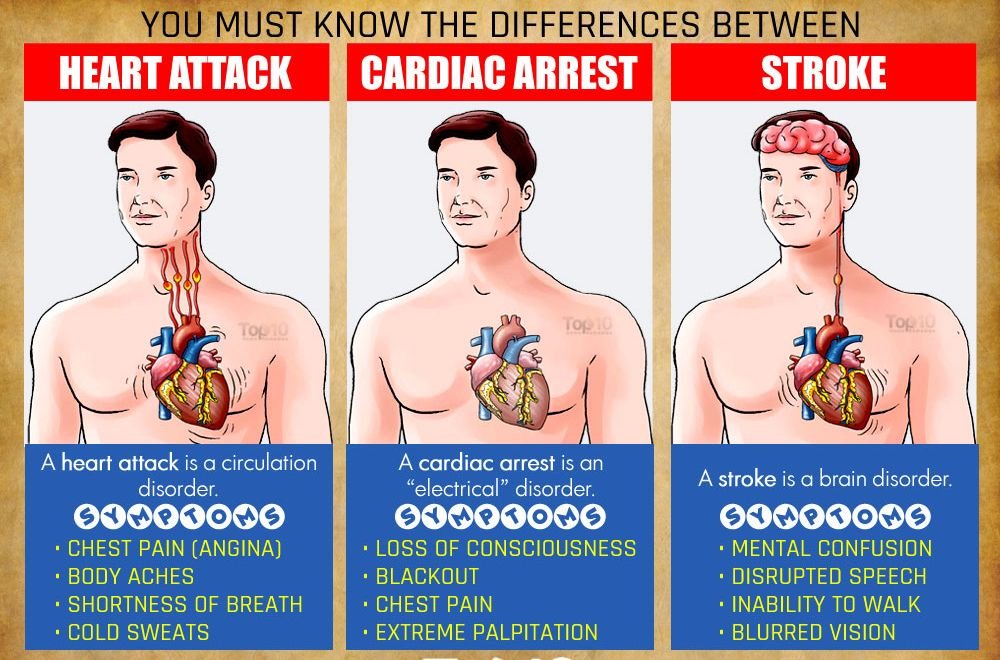
• Avoid denial. Many people have a tendency to deny their symptoms of a heart attack; they hope that if they ignore it, it will go away, or tell them that it is “all in my head.” As a result, they delay the emergency medical care they need, with potentially serious consequences. Remember that early recognition of symptoms and early medical care often influences the “life and death” outcome. When medical care is delayed, full recovery from a heart attack is difficult to expect, and many major complications occur-including death, which can potentially be avoided if there are no delays in care. Do not risk your life! If you experience symptoms consistent with heart attacks, seek medical attention. It is better to act and find out you were mistaken about the symptoms than to do nothing and suffer the consequences.
• Avoid self-diagnosis and self-treatment. When a patient happens to be a physician, dentist, nurse, paramedic, or someone working in the hospitals or medical research institutions, there is a tendency to make “self diagnosis” followed by providing “self-treatment.” This is rather a dangerous and unacceptable way to handle a heart attack, because you do not have control over your physical capabilities when you’re experiencing such a serious medical problem. The temptation to provide your own medical care must be absolutely avoided so that your emergency medical care is not delayed. If you are a health care professional, you would likely advise patients not to try to treat themselves, but to seek help instead-so take your own advice and summon help if you need it.
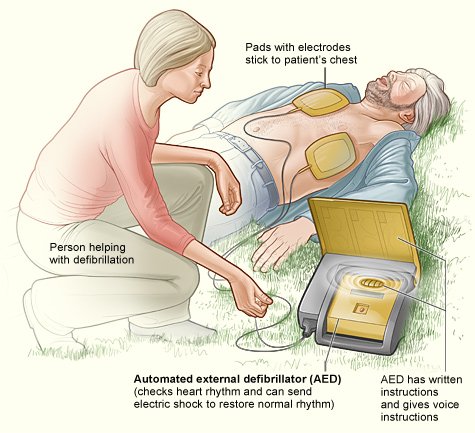
• Learn CPR, and encourage others to do so. All lay people should learn how to perform CPR because unexpected cardiopulmonary arrest can occur at any time. The CPR technique is relatively easy to learn, and the American Heart Association and many other medical organizations provide CPR teaching courses on a regular basis. It is particularly important for family members of heart attack victims or people with multiple coronary risk factors. Obviously, you cannot perform CPR upon yourself, but if everyone in your family (including you) learns to perform CPR, you will be much safer should you have another heart attack.
• Live near a major hospital. It is advisable to live in any relatively large city not far (driving distance) from any major hospital with qualified medical staff and well-equipped medical facilities. This is especially important for older adults and people with multiple coronary risk factors and a history of a previous heart attack. By doing so, proper medical care can be provided without delay. If you already live in such a location, that’s no problem—but if you do not, you might wish to weigh the possibility of moving to a place within range of a hospital. Whether you make such a move depends on the severity of your heart condition; you should discuss the matter with your doctor before deciding to move or stay. It might seem to be a big transition to make, particularly if your home is in a rural area, but remember that heart disease kills quickly and sometimes without much warning; deciding to move might just be a life and death decision.
• Take daily aspirin. Aspirin acts as an anticoagulant and helps prevent blockages in the bloodstream, so it can reduce chances of a heart attack in people with coronary artery disease. Daily intake of aspirin (81 mg) is recommended for most adults unless there are overriding reasons why they should not take it. Aspirin should not be taken by people with recent head trauma, peptic ulcer, recent surgery, or bleeding disorders, for example. Your doctor can tell you whether you have any conditions that might prevent you from safely taking aspirin.
Do I face lifelong medications and check-ups after recovering from a heart attack?
For most people, it takes about 2 to 3 months to return to usual (normal) life. Therefore, the first 2 to 3 months after being discharged from the hospital are very important not only for you but for all your family members, particularly your spouse. It is essential for you to have regular medical check-ups throughout your entire life after recovering from a heart attack. During each visit, your doctor will evaluate your cardiac status, will perform any necessary tests (e.g., blood tests, electrocardiograms, and the like), and may adjust your medications as needed. If necessary, your doctor will perform additional tests, such as a stress test, an echocardiogram, or a coronary angiogram depending upon medical evaluation. In addition, your doctor may add new medications and may have to change the dosage of certain medications according to your cardiac status. Evaluation will include various functions of any medical devices (e.g., artificial pacemaker; see Question 80). Your physician should be notified immediately if any new symptom occurs or a preexisting symptom gets worse. Close communication with your physician and regular medical check-ups should be a part of your life’s routines.
Terms:
Cardiomyopathy – heart muscle disease.
Cardiac – catheterization invasive diagnostic cardiac test that measures pressures in various locations within the heart chambers and blood vessels, and any other cardiac findings.
A person who follows a simple, regular exercise program will feel happier and less stressed.
Practices that help to calm anger and other strong emotion can help prevent heart attacks. It is better to act and find out you were mistaken about the symptoms than to do nothing and suffer the consequences.
Daily intake of aspirin is recommended for most adults unless there are overriding reasons why they should not take it.