What If The World Went Vegetarian?
Vegetarian Food
How Do Vegetarians Meet Their Protein Needs?
What do spaghetti topped with marinara sauce, cheese pizza, and macaroni and cheese all have in common? These common, classic vegetarian meals all lack meat. For many people, being a vegetarian is a lifestyle choice made for a particular reason. While some vegetarians avoid foods from animal sources for ethical, religious, or environmental reasons, others choose a vegetarian lifestyle because they believe it’s better for their health. An estimated 3 percent of American adults, or about 6 million people, follow a vegetarian diet.
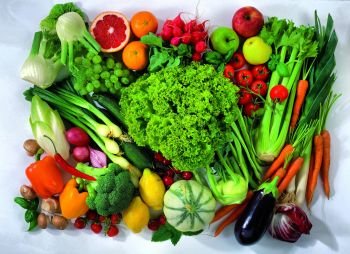
Because vegetarians avoid meat, which is high in protein, they need to be sure to get adequate protein from other food sources. Vegetarians can meet their daily protein needs by consuming a varied plant-based diet that contains protein-rich meat alternatives such as soy, dried beans and other legumes, and nuts. Some vegetarians include protein-rich eggs, dairy foods, and fish as part of their diet. There are several types of vegetarians and associated ranges of acceptable foods.
In the United States, the vegetarian food market has grown to be a $1.1 billion-plus industry as manufacturers accommodate growing consumer demand with an array of new vegetarian products each year. More than 70 percent of sit-down restaurants offer a vegetarian entrée on their menus, and even some fast-food restaurants now offer veggie burgers. University food services are increasingly making vegetarian options available to meet growing student demand.
The Potential Benefits and Risks of a Vegetarian Diet
A plant-based diet can be rich in high-fiber whole grains, vegetables, fruits, legumes, and nuts and thus naturally lower in saturated fat and cholesterol.
This type of diet contains the fundamentals for reducing the risk of the following diseases:
Heart disease. Vegetarian food staples, such as soy, nuts, and soluble fiber–rich foods, such as beans and oats, have been shown to reduce blood cholesterol levels. Numerous studies have shown that the rates of deaths from heart disease are about 25 percent lower among vegetarians than among nonvegetarians.
High blood pressure. Vegetarians tend to have lower blood pressure than meat eaters. The incidence of high blood pressure has been shown to be more than two times higher in nonvegetarians. High blood pressure is a risk factor not only for heart disease but also for stroke.
Type 2 diabetes. A plant-based diet can help reduce the risk for type 2 diabetes, so it shouldn’t surprise you that vegetarians tend to have a lower risk for diabetes. Diabetes is also a risk for heart disease.
For people with diabetes, consuming foods rich in fiber and low in saturated fat and cholesterol makes eating a vegetarian diet an attractive strategy to better manage this disease.
Certain types of cancer. Vegetarian diets have been shown to reduce the risk for both prostate and colon cancer. Respected health organizations, such as the American Institute for Cancer Research and the American Cancer Society, advocate a plant-based diet to reduce the risk for cancer.
Obesity. A plant-based diet containing mostly fiber-rich whole grains and low calorie, nutrient-rich vegetables and fruits tend to “fill you up before it fills you out,” making you more likely to eat fewer calories overall. Hence, the plant based foods of a vegetarian diet can be a healthy, satisfying strategy for those fighting the battle against obesity.
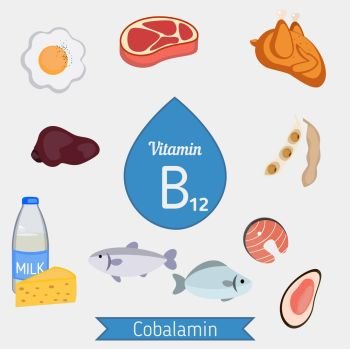
In addition to diet, other lifestyle habits such as not smoking, abstaining from alcohol and recreational drugs, and enjoying the daily physical activity, which is all common among vegetarians, may also contribute to their lower risk of the above conditions. The biggest risk of a vegetarian diet is in not consuming enough of the nutrients, such as protein and vitamin B12 that are found in abundance in animal foods. Strictly avoiding meat, fish, poultry, and foods derived from animal sources can be unhealthy if you don’t replace these foods with healthy, nutrient-dense, nonmeat alternatives. Also, vegetarian meals may not always be low in saturated fat if full-fat dairy products are heavily used. Planning is needed to be a healthy vegetarian.
How You Can Be a Healthy Vegetarian
To avoid nutrient deficiencies, vegetarians must consume adequate amounts of all nutrients by eating a wide variety of foods. Some nutrients found in abundance in animal foods, including protein, iron, zinc, calcium, vitamin D, riboflavin (a B vitamin), vitamin B12, vitamin A, and omega-3 fatty acids, are particularly important to monitor solely from plant foods. Comparing these nutrient profiles may surprise you! Finally, when following a vegetarian diet, a vitamin and mineral supplement may be necessary.
Athletes Can Follow a Vegetarian Diet
Sports dietitians agree that athletes consuming a vegetarian diet can keep their competitive edge-with careful planning. Soy products, eggs, yogurt, cow’s milk, cheese, and protein shakes can help a vegetarian athlete get needed amounts of protein, vitamin B12, calcium, and vitamin D. Iron is a critical nutrient for athletes because it carries oxygen to working muscles. Zinc is important to help tissues recover from the stress of training. Fortified foods can help increase the level of these minerals in a vegetarian diet, and a daily multivitamin/mineral supplement can provide added insurance.
For athletes who don’t consume fish, soy products, walnuts, flaxseeds, soybean oil, and canola oil provide omega-3 fatty acids. Vegetarian athletes should consult a registered dietitian to plan a nutritionally complete diet.
Message
Vegetarian diets can be a healthy eating style that may help reduce the risk of some chronic diseases. Some vegetarians abstain from all animal foods, while others may eat animal foods (such as eggs and dairy products) in limited amounts. All vegetarians must take care in planning a varied diet that meets their nutrient needs, especially for protein, iron, zinc, calcium, vitamin D, riboflavin (a B vitamin), vitamin B12, vitamin A, and omega-3 fatty acids.
Vegetarian Food Guide Pyramid
Vegetarians should eat a variety of foods from each food group, especially legumes, nuts, and oils, to obtain essential fatty acids, and adequate protein, calcium, and vitamin B12.
Source: Reprinted from Journal of the American Dietetic Association. Vol. 103, Issue 6, Messina et al., “A new food guide for North American vegetarians,” pp. 771–775. © 2003, with permission from Elsevier. www.sciencedirect.com/science/journal
Term:
Vegetarian – A person who doesn’t eat meat, fish, or poultry or (sometimes) foods made from these animal sources