Introduction to child psychology

PSYCHOLOGY
Definition:
Psychology is the science of the mind or of mental states and processes.
It is the science of human and animal behaviour.
It is the sum or characteristics of the mental states and processes of a person or class of persons, or of the mental states and processes involved in a field of activity.
Psychology seeks to understand and explain thought, emotion, and behaviour.
CHILD PSYCHOLOGY
Definition:
Child psychology is a branch of psychology which focuses on children from infancy through adolescence.
A wide variety of topics within psychology is encompassed in child psychology, including abnormal psychology, social psychology, developmental psychology, and so forth.
A specialist who focuses on child psychology is known as a child psychologist.
Child psychologists study how children learn, how various behaviours develop, the impact of environment on developing children, and many other topics.
MEDIA
Definition:
In communication, media (singular medium) are the storage and transmission channels or tools used to store and deliver information or data.
It is often referred to as synonymous with mass media or news media but may refer to a single medium used to communicate any data for any purpose.
TYPES OF MEDIA
There are TWO major types of media:
Electronic media: Internet, E-mail, TV and Radio
Print media: Newspaper, Magazine
IMPACTS OF MEDIA ON CHILD’S PSYCHOLOGY
Stages of children’s most affected by media:
Babyhood:
The little people attempting to become independent.
They walk, talk, use the toilet and get food for themselves.
Self-control begins to develop.
Early Childhood:
When children go to preschool, they broaden their social horizons and become more engaged with those around them.
Impulses are channelled into fantasies.
Positive Impacts
It creates a learning environment for the children.
Children also can develop language skills through television, as well as social norms.
The media also provides entertainment to children, giving parents a moment of peace when needed.
It develops literacy, cultural awareness, diversity, imaginative play, and ways to deal with feelings, among the children.
Media can help young people discover where they fit into society, develop closer relationships with peers and family, and teach them to understand complex social aspects of communication.
Children are influenced by people they see on television, as kids see their favourite characters making positive choices; they will be influenced in a good way.
TV shows have begun promoting some positive agendas such as healthy living and environmental awareness.
Useful Cartoons
Useful Cartoons refer to cartoons that are focused towards positive growth in the child.
The basic criteria for cartoons to be good, is that it should give a moral lesson, provide useful information and be educational.
The best way to help your child create the connection from television is if you get involved with them and explain what they’re seeing, discuss different scenarios or outcomes and ask questions.
Making certain that children are being enriched in school as well as at home in front of their TVs is an important step to making strong, smart, caring, and innovative future adults.
Examples of some useful cartoons are Bob the builder, Dora the explorer, Tom & Jerry, Donald Duck, Pink Panther, The Pooh and Mickey Mouse.
Negative Impacts
Over exposure to media may cause health problems.
The children learn violence by seeing movies and TV programs. They imitate super heroes they see on the screen which may cause danger to their life. The over-exposure to media makes them behave more aggressively, which spoils their future also.
The children get immense pleasure in playing video games. They spend hours together before the computer, surfing through the internet. They see both the good and the bad things through media.
The fashion shows, dance and music programs attract youngsters very much.
The youngsters wish to take part in such programs, which are unsuitable for them.
The middle-aged persons are stuck up with TV serials and show much interest in raising social status, by wasting money.
Media affects the physical well-being of individuals to a certain extent. People spending hours in front of a television or surfing the Internet have to suffer from eye problems and obesity. Long hours of media exposure add to the sedentary nature of your lifestyle.
Is there any scientific evidence to support the claims that violent cartoons, movies, video games and violent music contribute to aggressive and violent behaviour?
In 2003, Craig Anderson and Iowa reported that violent music lyrics increased aggressive thoughts and hostile feelings among 500 students.
Media violence stimulates fear in some children
In 1956, researchers took to the laboratory to compare the behaviour of 24 children watching TV.
Six years later, in 1963, professors A. Badura, D. Ross and S.A. Ross studied the effect of exposure to real-world violence, television violence, and cartoon violence. They divided 100 preschool children into four groups.
In 1998, Professors Singer, Slovak, Frierson and York surveyed 2,000 students in grades three through eight. They report that the incidences of psychological trauma (including anxiety, depression and post-traumatic stress) increased in proportion to the number of hours of television watched each day.
Media’s Effect on Gender Identity
How girls and boys are presented, and what activities they participate in on the screen powerfully affect how girls and boys view their role in the world.
For girls “how they look” is more important than “what they do.”
50% of the commercials aimed at girls spoke about physical attractiveness.
Boys acted aggressively in 50% of the commercials aimed at them.
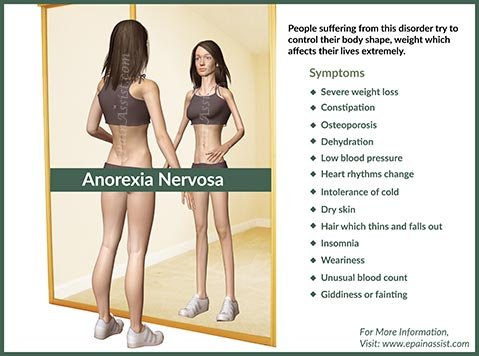
Media’s Effect on Body Dissatisfaction
Identification with television stars (for girls and boys), and models (girls) or athletes (boys), positively correlated with body dissatisfaction.
Research shows that eating disorder patients and women showing high body dissatisfaction tend to overestimate their body size after viewing thin female models. These findings show that certain women are affected by exposure to the media’s ideal women.
It is not surprising that physical attractiveness is of overwhelming importance to us.
Men may tend to over-estimate their attractiveness. Some men looking in the mirror may literally not see the flaws in their appearance.
Boys do go through a short phase of relative dissatisfaction with their appearance in early adolescence, but the physical changes associated with puberty soon bring them closer to the masculine ideal.
When men are dissatisfied, the main focuses of concern are height, stomachs, chests and hair loss.
Suggestions
The American Academy of Paediatrics (AAP) recommends no television viewing for no more than two hours.
Parents should allow television and video games only during the weekends.
Research has shown that parental co-viewing of and commenting on the programs seems to reduce the effects of TV violence on children.
V-chip technology, which gives parents a way to control TV channels.
Concerned about what your kids watching or listening to? Also, check the internet activity.
Parents should be each child’s first and favourite teacher.
Research has also shown that nurturing in the form of spending sufficient quality time with your child that is fun and enjoyable for parent and child leads to happy, healthy, successful kids.
Media has both positive impact and negative impact, but parents should take appropriate actions to put aside their children from negative impacts.
References:
[1] http://www.sciencemag.org/cgi/content/summary/295/5564/2377
[2] http://www.apa.org/news/press/releases/2003/03/media-violence.aspx
[3] http://en.wikipedia.org/wiki/Media_influence
[4] http://en.wikipedia.org/wiki/Developmental_psychology#Early_childhood
[5] http://www.mediafamily.org/facts/facts_mediaeffect.shtml
[6] http://www.childpsychologist.com/
[7] http://www.childdevelopmentinfo.com/
[8]http://www.oup.com/us/catalog/general/subject/Psychology/Developmental/?view=usa&ci=9780195309836
[9]http://www.oup.com/us/catalog/general/subject/Psychology/Developmental/?view=usa&ci=9780195309836