What Are Vitamins? – Definition, Types, Purpose & Examples
Best vitamins for memory, mood and stress
What They Are and What They Do
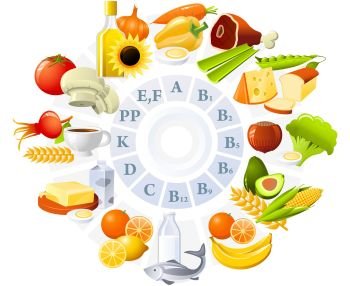
VITAMINS
While vitamins (vita[1]vital) have always been in foods, they remained nameless and undiscovered substances as recently as 100 years ago. If you were to flash back to the early part of the twentieth century, you would find scientists hard at work searching for substances to cure diseases such as beriberi, scurvy, and rickets. These may sound like the names of rock bands to you, but they’re actually the devastating diseases caused by deficiencies of thiamin (for beriberi), vitamin C (for scurvy), and vitamin D (for rickets). Throughout the twentieth century, scientists received Nobel Prizes for their discoveries of the vitamins that cured these and other diseases. By the 1940s, the U.S. government mandated that specific vitamins be added to grains and milk to improve the nation’s health by improving people’s diet.
Now flash forward to the latter part of the twentieth century, when an improved diet meant that vitamin deficiencies became less of an issue for most Americans. Scientists shifted their focus from using vitamins to cure disease to using them to prevent disease. Today, research is being done to find out how vitamins affect and prevent everything from birth defects to heart disease and cancer.
What Are Vitamins?
Vitamins are tasteless organic compounds that you need in small amounts for growth, reproduction, and overall good health. Although they don’t provide energy (calories) for your body, they are essential nutrients for your well-being. A deficiency of any one will cause physiological symptoms. There are 13 vitamins, and you get most of them by eating a variety of foods from each of the MyPyramid food groups, though the vitamins D, K, niacin, and biotin can also be synthesised in your body or by microorganisms in the intestinal tract.
A chronic deficiency of any of the essential vitamins can cause a cascade of symptoms from scaly skin to blindness. However, consuming too much of some vitamins can also cause adverse effects that can be as damaging as consuming too little. Balance is always your best bet when it comes to meeting your vitamin needs.
Vitamins Are Either Fat Soluble or Water Soluble
A vitamin is either fat soluble or water soluble, depending on how it is absorbed and handled in your body. Fat-soluble vitamins need dietary fat to be properly absorbed, whereas water-soluble vitamins are absorbed with water. Vitamins A, D, E, and K are fat-soluble; the B vitamins and vitamin C are water soluble. The fat-soluble vitamins are absorbed in the beginning of your small intestine. They are packaged with fatty acids and bile in micelles, small transport carriers that shuttle them close to the intestinal wall. Once there, the fat-soluble vitamins travel through the cells in the intestinal wall and are packaged with fat and other lipids in chylomicrons. The vitamins then travel through your lymph system before they enter your bloodstream. Fat-soluble vitamins are stored in your body and used as needed when your dietary intake falls short. Your liver is the main storage depot for vitamin A and to a lesser extent vitamins K and E, whereas vitamin D is mainly stored in your fat and muscle tissues. Because they are stored in the body, large quantities of some of the fat-soluble vitamins, particularly A and D, can build up to the point of toxicity, causing harmful symptoms and conditions.
Water-soluble vitamins are absorbed with water and enter your bloodstream directly. Most water-soluble vitamins are absorbed in the upper portion of your small intestine, although vitamin B12 is absorbed in the lower part of your small intestine. Water-soluble vitamins are typically not stored in your body, and excess amounts are excreted, so it’s important to consume adequate amounts of them every day.Note that even though most water-soluble vitamins aren’t stored, dietary excesses can still be harmful.
Some Vitamins Function as Antioxidants
Antioxidants (anti = against; oxidants = oxygen-containing substances) are a group of compounds that includes vitamins E and C, the mineral selenium, and certain phytochemicals. Just as their name implies, antioxidants counteract oxidation, a harmful chemical reaction that takes place in your cells. During oxidation, oxygen-containing molecules called free radicals can damage cell structure, cell proteins, and even DNA. Like prowling thieves, the unstable free radicals steal electrons from other molecules in order to stabilise themselves. The robbed molecule then itself becomes a free radical and looks for another molecule to attack. This chain reaction, if not stopped, can significantly damage cells.
Free radicals are normal by-products of your body’s metabolic reactions, which release energy from food. They can also result from exposure to chemicals in the environment (such as cigarette smoke and air pollution) and from the damaging effects of the sun’s ultraviolet rays on the unprotected skin. Antioxidants are part of your body’s natural defence system to harness free radicals and stop them from damaging cells. If free radicals accumulate faster than your body can neutralise them (a condition is known as oxidative stress), their effects can contribute to various health problems, including heart disease, cancer, type 2 diabetes, arthritis, and Alzheimer’s disease.
Free radicals can also damage your eyes by contributing to age-related macular degeneration (AMD) and cataracts. Age-related macular degeneration (AMD) results from damage to the macula, a tiny area of the retina that is needed for central vision (the ability to see things that are directly in front of you). AMD can make activities such as reading, driving, and watching television impossible. It is usually the culprit when Americans 60 years of age or older experience blindness. A study conducted by the National Eye Institute (NEI) discovered that supplements containing large amounts of antioxidants (vitamin C, vitamin E, and beta-carotene), for with the minerals zinc and copper, are effective in reducing the riofAMD, as well as the extent of vision loss. A cataract is a disorder in which the lens of the eye becomes cloudy, resulting in blurred vision. More than half of all Americans have experienced cataracts by the time they reach 80 years of age, and many undergo surgery to remove them. The NEI recommends consuming antioxidant- and carotenoid-rich fruits and vegetables, such as citrus fruits, broccoli, and leafy dark green vegetables, for the health of your eyes.
There is no question that diets high in antioxidant-rich fruits, vegetables, and whole grains are associated with a lower incidence of some diseases. However, these foods contain other compounds that may work with antioxidants to provide protection. For example, phytochemicals (phyto = plant), naturally occurring plant compounds that give fruits and vegetables their vibrant colors, have many beneficial functions in the body, such as acting as antioxidants, stimulating the immune system, and interacting with hormones that may help prevent certain cancers.
The big question that remains is if antioxidant supplements provide the same health protection as antioxidants consumed in foods. As you will soon read, too much of vitamins C and E, as well as beta-carotene supplements-all of which are antioxidants-can cause health problems. At this time, the American Heart Association, National Cancer Institute, and United States Preventive Services Task Force do not advocate taking supplements to reduce the risk of specific diseases, but encourage eating a phytochemical- and antioxidant-rich, well-balanced diet. Filling your plate with a colorful variety of plant-based foods is currently one of the bestknown strategies to fight chronic diseases.
Vitamins Differ in Bioavailability
Not all of the vitamins consumed in foods are available to be used in the body. In other words, they are not 100 percent bioavailable. The bioavailability of individual vitamins varies according to several factors, including the amount of the vitamin in the food; whether the food is cooked, raw, or refined; how efficiently the food is digested and absorbed; the individual’s nutritional status; and whether or not the vitamin is natural or synthetic. In general, if the body needs more vitamins, a greater percentage will be absorbed. For example, a young child or pregnant woman will absorb more ingested vitamins than will a nonpregnant adult. The bioavailability of fat-soluble vitamins is usually less than that of watersoluble vitamins because fat-soluble vitamins require bile salts and the formation of a micelle to be absorbed. Vitamins in plant foods are typically less bioavailable than those in animal foods because plant fiber can trap vitamins.
Vitamins Can Be Destroyed by Air, Water, or Heat
Water-soluble vitamins can be destroyed by exposure to air, water, or heat. In fact, vegetables and fruits begin to lose their vitamins almost immediately after being harvested, and some preparation and storage methods can accelerate vitamin loss. Although the fat-soluble vitamins tend to be more stable than water-soluble vitamins, some food preparation techniques can cause the loss of these vitamins as well.
Don’t Expose Your Produce to Air
Air (oxygen) exposure can destroy the water-soluble vitamins and the fat-soluble vitamins A, E, and K. For this reason, fresh vegetables and fruits should be stored in airtight, covered containers and used soon after being purchased. Cutting vegetables and fruits increases the amount of surface exposed to air, so cut your produce close to the cooking and serving time to minimize vitamin loss.
A Little Water Is Enough
When you toss out the water that cooks your vegetables, you are also tossing out some water-soluble vitamins. Soaking foods will cause water-soluble vitamins to leach out of the food and into the liquid.To reduce vitamin loss, cook vegetables in a minimal amount of liquid—just enough to prevent the pot from scorching and to keep your vegetables crisp. Although cooking rice in water doesn’t diminish its nutrient content (because the water is absorbed by the grain rather than discarded), washing rice before cooking it will wash away the B vitamins that were sprayed on during the enrichment process.
Reduce Cooking Time
Heat, especially prolonged heat from cooking,w ill also destroy water-soluble vitamins, especially vitamin C. Because they are exposed to less heat, vegetables cooked by microwaving, steaming, or stir-frying can have approximately 11⁄2 times more vitamin C after cooking than if they were boiled, which involves longer heat exposure. The first three cooking methods are faster than boiling, reducing the length of time the food is in direct contact with the heat, and they all use less added water. (Stir-frying typically uses only oil.) Cooking vegetables until “just tender” is best, as it reduces the cooking time and heat exposure and preserves the vitamins. If you find yourself with a plate full of limp and soggy vegetables, this is a sure sign that vitamins have been lost.
Keep Your Food Cool
Whereas heat causes foods to lose vitamins, cooler temperatures help preserve them. For this reason, produce shouldbe stored in your refrigerator rather than on a counter or in a pantry.A package of fresh spinach left at room temperaturewill lose more than half of its folate, a B vitamin, after four days. Keeping the spinach in the refrigerator delays that loss until eight days.
Overconsumption of Some Vitamins Can Be Toxic
Vitamin toxicity, or hypervitaminosis, is very rare. This condition results from ingesting more of the vitamin than the body needs, to the point where tissues become saturated. The excess vitamin can damage cells, sometimes permanently.Vitamin toxicity does not occur by eating a normal balanced diet. It can result when individuals consume megadose levels of vitamin supplements, usually in the mistaken belief that “more is better.”Many individuals, for example, overload on vitamin C tablets to ward off a cold, despite the fact that there is no evidence showing that vitamin C prevents the common cold, and despite the fact that too much vitamin C in the body can lead to unpleasant side effects.
To prevent excessive intake, the Dietary Reference Intakes include a tolerable upper intake level for most vitamins. Even though some vitamins lack sufficient evidence to establish a UL, there still may be risks in taking them in megadose amounts.
Provitamins Can Be Converted to Vitamins by the Body
Provitamins are substances found in foods that are not in a form directly usable by the body, but that can be converted into an active form once they are absorbed. The best-known example of this is beta-carotene, which is split into two molecules of vitamin A in the small intestinal cell wall or in the liver cells. Vitamins found in foods that are already in the active form, called preformed vitamins, do not undergo conversion.
Now that we’ve discussed the general characteristics of vitamins, let’s review them individually. Before we begin our discussion of the fat-soluble vitamins, take the Self-Assessment to see if your diet is rich in foods containing these important nutrients.
Message:
Vitamins are essential nutrients needed in small amounts for growth, reproduction, and overall good health. All vitamins are either fat soluble or water soluble.The fat-soluble vitamins, A, D, E, and K, require fat for absorption and are stored in your body. For this reason, chronic dietary excesses of some fat-soluble vitamins can be toxic.The water-soluble B and C vitamins are absorbed with water. Excess watersoluble vitamins are excreted from your body, and surplus amounts generally aren’t stored. Some vitamins, such as vitamins E and C, as well as the mineral selenium, flavonoids, and carotenoids, act as antioxidants because they help counteract the damaging effects of oxygen-containing molecules called free radicals. If free radicals accumulate faster than your body can neutralize them, their damaging effects can contribute to chronic diseases and conditions. Fruits, vegetables, and whole grains are robust sources of antioxidants. Many vitamins in foods can be destroyed or lost by exposure to air, water, and heat.The overconsumption of some vitamins can be toxic. Provitamins can be converted to vitamins in the body.
Vitamins Found Widely in MyPyramid – Eating a wide variety of foods from all food groups will ensure that you meet your vitamin needs.
Categorizing the Vitamins: Fat Soluble and Water Soluble Fat-soluble vitamins need dietary fat to be properly absorbed, whereas water-soluble vitamins are absorbed with water.
Digesting and Absorbing Vitamins
(a) Once in the small intestine, the fat-soluble vitamins are packaged with fatty acids and bile in micelles that transport them to the intestinal wall. The fat-soluble vitamins travel through the cells in the intestinal wall and are packaged with fat and other lipids in chylomicrons. The chylomicrons travel through the lymph system and into the bloodstream.
(b) The water-soluble vitamins are absorbed directly into the bloodstream from the small intestine.
Vitamins were originally called vitamines. Casimir Funk, a chemist and early vitamin researcher, believed that vitamins were vital to life (he was correct) and were probably also a nitrogen- containing amine (he was incorrect). When later discoveries found that an amine wasn’t present, the e was dropped from the word.
B Vitamins for Your Heart
In the late 1970s, researchers made a curious discovery. They noticed that individuals with a very rare genetic disorder, whereby they have too much of the amino acid homocysteine in their blood, suffer from a higher than average incidence of heart disease. Since then, approximately 80 research studies have found an association between high levels of homocysteine and the increased risk for heart disease. Though it isn’t known exactly how this amino acid contributes to heart disease, it may be that excessive amounts of homocysteine injure the arteries, decrease the flexibility of the blood vessels, or increase the likelihood of clots forming in the blood. Because vitamin B6, folate, and vitamin B12 are all involved in breaking down homocysteine in the body, researchers began studying the effect of these vitamins on this amino acid.
Numerous studies have suggested that low blood levels of these B vitamins, especially folate, are associated with an increased level of homocysteine in the body. In fact, the mandatory addition of folic acid to enriched grains and grain products that began in the late 1990s to prevent certain birth defects may also be fighting heart disease. In a study of more than 1,000 individuals, the average blood level of folate was higher and the level of the amino acid homocysteine lower in individuals seen in the time period after implementation of the folic acid enrichment program than compared with before the program began.
Studies are currently under way to determine if taking supplements of these B vitamins will lower the risk of heart disease. Some studies have shown promise, but others have not. Until more is known, you should eat a diet that is naturally rich in these B vitamins.
Terms:
Vitamins – Essential nutrients that your body needs in small amounts to grow, reproduce, and maintain good health.
Antioxidants – Substances that neutralize free radicals. Vitamins A, C, and E and beta-carotene are antioxidants.
Oxidation – The process during which oxygen combines with other molecules.
Free radicals – Unstable oxygen containing molecules that can damage the cells of the body and possibly contribute to the increased risk of chronic diseases.
Age-related – macular degeneration (AMD) A disease that affects the macula of the retina, causing blurry vision.
Cataract – A common eye disorder that occurs when the lens of the eye becomes cloudy.
Phytochemicals – Naturally occurring substances in fruits, vegetables, and whole grains that protect against certain chronic diseases.
Bioavailability – The degree to which a nutrient is absorbed from foods and used in the body.
Toxicity – The accumulation of a substance to the level of being poisonous.
Megadose – A very large dose or amount.
Provitamins – Substances found in foods that can be converted into an active form once they are absorbed.
Preformed vitamins – Substances that are found in active form in foods.