Top 7 foods rich in vitamin E that you should include in your diet
VITAMIN E: Uses, Side Effects, Interactions and Warnings
Vitamin E Benefits, Foods & Side Effects
Vitamin E
What Is Vitamin E?
Vitamin E is sometimes referred to as a vitamin in need of a disease to cure. For almost 40 years after its discovery, scientists searched unsuccessfully for a curative role for vitamin E. They now have shifted their focus and begun valuing the vitamin’s importance as an effective antioxidant.
There are eight different forms of naturally occurring vitamin E, but one form, alpha-tocopherol (alpha-tocopherol), is most active in your body. The synthetic form of vitamin E found in dietary supplements is only half as active as the natural form.
Functions of Vitamin E Vitamin E as an Antioxidant
Vitamin E’s nutritional claim to fame is its role as a powerful antioxidant. This role is extremely important in protecting cell membranes and preventing oxidation of the “bad” LDL cholesterol carrier. Phospholipids (lipids that contain phosphorus and two fatty acids) are critical components of cell membranes. Many phospholipids contain unsaturated fatty acids, which are vulnerable to the damaging effects of free radicals. As an antioxidant, vitamin E neutralises free radicals before they can harm cell membranes.
When the bad LDL cholesterol carrier is oxidised, it contributes to the buildup of artery-clogging plaque.
Antioxidants, including vitamin E, help protect the LDL cholesterol carrier from being oxidised and reduce the buildup in the arteries, called atherosclerosis.
Other Functions of Vitamin E
Vitamin E is an anticoagulant (anti = against, coagulant = causes clotting), which means that it inhibits platelets (fragments of cells used in blood clotting) from unnecessarily clumping together and creating a damaging clot in your bloodstream.
Vitamin E also alters the stickiness of the cells that line your lymph and blood vessels. This decreases the ability of blood components to stick to these walls and clog these passageways.
Studies are still under way to assess if the long-term use of vitamin E supplements could play a protective role against heart disease.
Daily Needs
Adults need to consume 15 milligrammes of vitamin E daily. Because alpha-tocopherol is the most active form of vitamin E in your body, your vitamin E needs are in alpha-tocopherol equivalents.
Researchers speculate that healthy Americans, on average, are falling short of their dietary vitamin E needs.
Food Sources
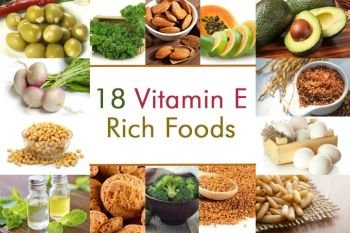
Because vitamin E is fat soluble, vegetable oils, foods that contain these oils, nuts, and seeds are good sources. Some green leafy vegetables, avocado, and fortified cereals can also contribute to your daily needs.
Too Much or Too Little
There isn’t any known risk of consuming too much vitamin E from natural food sources. However, overconsumption of the synthetic form that is found in supplements and/or fortified foods could pose risks.
Because vitamin E can act as an anticoagulant and interfere with blood clotting, excess amounts in your body increase the risk of haemorrhage. Because of this, the upper level from supplements and/or fortified foods is 1,000 milligrammes for adults. This applies only to healthy individuals consuming adequate amounts of vitamin K. (Vitamin K also plays a role in blood clotting. A deficiency of vitamin K can exacerbate the anticoagulant effects of vitamin E.) Individuals taking anticoagulant medication and vitamin E supplements should be monitored by their physician to avoid the serious situation in which the blood can’t clot quickly enough to stop the bleeding from a wound.
Although the upper level of 1,000 milligrammes was set to keep you safe, it may actually be too high. A study showed that those at risk of heart disease who took 400 IU (265 milligrammes) or more of vitamin E daily for at least one year had an overall higher risk of dying. One theory is that too much vitamin E may disrupt the balance of other antioxidants in the body, causing more harm than good.
Though rare, a chronic deficiency can cause nerve problems, muscle weakness, and uncontrolled movement of body parts. Because vitamin E is an antioxidant and is found in the membranes of red blood cells, a deficiency can also increase the susceptibility of cell membranes to damage by free radicals. Individuals who can’t absorb fat properly may fall short of their vitamin E needs.
Table Tips
Enjoying Your Es
Add fresh spinach and broccoli to your lunch salad.
Add a slice of avocado or use guacamole as a spread on sandwiches.
Spread peanut butter on apple slices for a sweet treat.
Top low-fat yoghurt with wheat germ for a healthy snack.
Pack a handful of almonds in a zip-closed bag for a mid-afternoon snack.