Vitamin B12
What Is Vitamin B12?
The family of compounds referred to as vitamin B12 is also called cobalamin because it contains the metal cobalt. Vitamin B12 is the only water-soluble vitamin that can be stored in your body, primarily in your liver.
B12 Needs Intrinsic Factor to Be Absorbed
A protein produced in your stomach called intrinsic factor is needed to promote vitamin B12 absorption. Intrinsic factor binds with vitamin B12 in your small intestine, where the vitamin is absorbed.
Individuals who cannot produce intrinsic factor are unable to absorb vitamin B12 and are diagnosed with pernicious anaemia (pernicious = harmful). Individuals with this condition must be given regular shots of vitamin B12, which injects the vitamin directly into the blood, bypassing the intestine.
Because your body stores plenty of vitamin B12 in the liver, the symptoms of pernicious anaemia can take years to develop.
Functions of Vitamin B12
Vitamin B12 Is Vital for Healthy Nerves and Red Blood Cells
Your body needs vitamin B12 to use certain fatty acids and amino acids and to make the DNA in your cells. Vitamin B12 is also needed for healthy nerves and tissues.
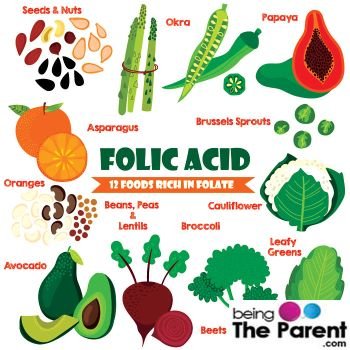
Like folate, vitamin B12 plays an important role in keeping your cells, particularly your red blood cells, healthy.
It is also one of the three B vitamins that collectively could be heart healthy.
Daily Needs
Adults need 2.4 micrograms of vitamin B12 daily. American adults, on average, consume more than 4 micrograms daily.
The body’s ability to absorb naturally occurring vitamin B12 from foods diminishes with age. This decline appears to be due to a reduction in the acidic juices in the stomach, which are needed to break the bonds that bind the B12 to the proteins in food. If the bonds aren’t broken, the vitamin can’t be released. Up to 30 per cent of individuals over the age of 50 experience this decline in acidic juices in their stomachs. Not surprisingly, the pernicious anaemia associated with a vitamin B12 deficiency occurs in about 2 per cent of individuals over the age of 60.66
With less acid juice present, the bacteria normally found in the intestines aren’t properly destroyed and so tend to overgrow. This abundance of bacteria feed on vitamin B12, diminishing the amount of the vitamin that may be available.
Luckily, the synthetic form of vitamin B12 that is used in fortified foods and supplements isn’t bound to a protein, so it doesn’t depend on your stomach secretions to be absorbed. (Synthetic vitamin B12 still needs intrinsic factor to be absorbed.)
Because the synthetic variety is a more reliable source, individuals over the age of 50 should meet their vitamin B12 needs primarily from fortified foods or a supplement.
Food Sources
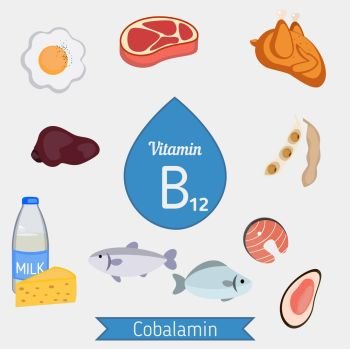
Naturally occurring vitamin B12 is found only in foods from animal sources, such as meat, fish, poultry, and dairy products.
A varied diet that includes the minimum recommended servings of these food groups will easily meet your daily needs. Synthetic vitamin B12 is found in fortified soy milk and some ready-to-eat cereals, which are ideal sources for older adults and strict vegetarians, who avoid all foods from animal sources.
If you are relying solely on fortified foods to meet your vitamin B12 needs, continually check the labels on these products to make sure they haven’t unexpectedly been reformulated to exclude the vitamin.
Too Much or Too Little
At present, there are no known risks of consuming too much vitamin B12 from foods, fortified foods, or supplements, and no upper level has been set.
There is also no known benefit from taking B12 supplements if your diet contains foods from animal sources and/or fortified foods.
A Vitamin B12 Deficiency Can Cause Macrocytic Anemia
Because vitamin B12 and folate work closely together to make healthy red blood cells, a vitamin B12 deficiency can cause macrocytic anaemia, the same type of anaemia caused by a folate deficiency. In macrocytic anaemia due to a vitamin B12 deficiency, there is enough folate available for red blood cells to divide, but the folate can’t be utilized properly because there isn’t enough vitamin B12 available. In fact, the true cause of macrocytic anaemia is more likely a B12 deficiency than a folate deficiency.
Because pernicious anaemia (caused by a lack of intrinsic factor) is a type of macrocytic anaemia, its initial symptoms are the same as those seen in folate deficiency: fatigue and shortness of breath.
Vitamin B12 is needed to protect nerve cells, including those in your brain and spine, so one long-term consequence of pernicious anemia is nerve damage marked by tingling and numbness in the arms and legs and problems walking. If diagnosed early enough, these symptoms can be reversed with treatments of vitamin B12.
Table Tips Boost Your B12
Enjoy heart-healthy fish at least twice a week.
Sprinkle your steamed vegetables with reduced-fat shredded cheese.
Drink milk or fortified soy milk.
Try a cottage cheese and fruit snack in the afternoon.
Enjoy a grilled chicken breast on a bun for lunch.