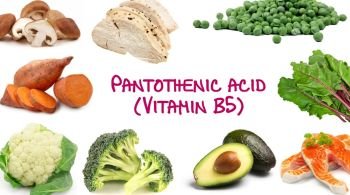
Pantothenic Acid and Biotin
What Are Pantothenic Acid and Biotin?
Pantothenic acid and biotin are B vitamins.
Functions of Pantothenic
Acid and Biotin Pantothenic acid and biotin aid in the metabolism of the nutrients that provide you with energy: carbohydrates, proteins, and fats.
Daily Needs
Adults need 5 milligrams of pantothenic acid and 30 micrograms of biotin daily.
Food Sources
Both pantothenic acid and biotin are widely available in foods, including whole grains and whole-grain cereals, nuts and legumes, broccoli, peanut butter, meat, milk, and eggs. Most Americans easily meet their needs.
Biotin deficiency is so rare that an accurate list of the amount in foods is hard to find. In addition to its abundance in foods, biotin can be synthesized by the bacteria in your intestinal tract, providing yet another avenue to meet your needs.
Eating a healthy diet to meet all of your other B vitamin needs will ensure that you meet your needs for pantothenic acid and biotin.
Too Much or Too Little
Like many of the other B vitamins, there are no known adverse effects from consuming too much pantothenic acid or biotin.
An upper level has not been determined for either of these vitamins.
Although a pantothenic acid deficiency is rare, if you do fall short of your needs, your symptoms might include fatigue, nausea, vomiting, numbness, muscle cramps, and difficulties walking.
During World War II, prisoners of war in Asia experienced a “burning feet” syndrome.
The symptoms ranged from heat sensations and tingling on the soles of their feet to a painful burning intense enough to disrupt sleep. Their diet consisted predominantly of nutrient-poor polished rice. A doctor in India who was studying an identical phenomenon in his patients discovered that when he gave them supplements of pantothenic acid, the condition stopped. In both cases, the syndrome was later attributed to a diet deficient in pantothenic acid.
Consuming inadequate amounts of biotin can cause hair loss, skin rash, and feelings of depression, fatigue, and nausea. Though deficiencies are rare, they can occur if you eat a lot of raw egg whites. The protein avidin, found in egg whites, binds with biotin and blocks it from being absorbed in your intestine.
Cooking the egg denatures and inactivates the protein, eliminating the problem.