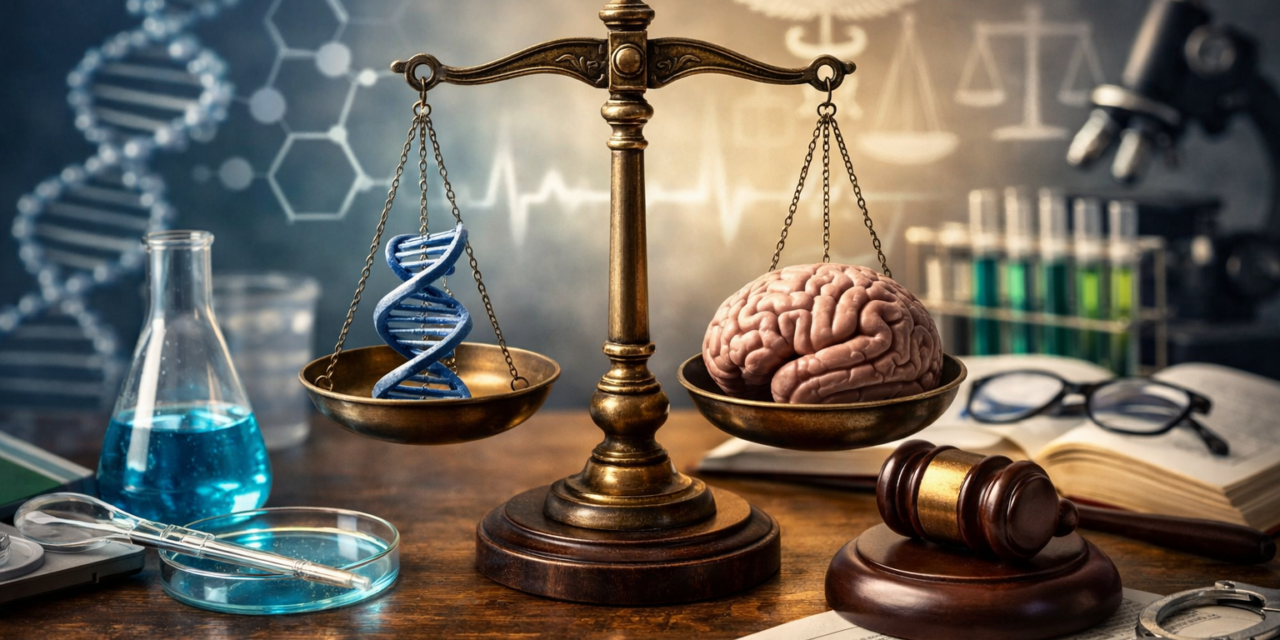
The rapid advancements in biotechnology have profoundly reshaped our understanding of life and our capacity to manipulate it. From gene editing technologies like CRISPR-Cas9 to the development of synthetic biology and advanced reproductive techniques, the field of biotechnology presents both unprecedented opportunities and formidable ethical and legal challenges. Bioethics, the interdisciplinary study of ethical issues arising from advances in biology and medicine, and biotechnology law, which governs the development, application, and regulation of these technologies, are thus intrinsically linked and crucial for navigating this complex terrain. This essay will explore the foundational principles of bioethics and the evolving landscape of biotechnology law, examining key areas of intersection, contemporary debates, and the legal frameworks designed to address the societal implications of biotechnological innovation. We will delve into the historical context, examine current ethical dilemmas, and project future trajectories, focusing on the period up to April 15, 2026, to capture the most recent developments and foreseeable trends.
Foundational Principles of Bioethics
Bioethics, as a discipline, emerged in the latter half of the 20th century in response to concerns about the ethical treatment of human subjects in research and the increasingly complex moral questions posed by medical and biological advancements. At its core, bioethics seeks to provide a framework for making morally sound decisions in contexts involving life, health, and the environment. Several foundational principles guide bioethical inquiry, often referred to as the “Georgetown Mantra” or the principles of principlism, primarily articulated by Beauchamp and Childress. These include:
Autonomy: This principle emphasizes the right of individuals to make their own decisions regarding their health and bodies, free from coercion or undue influence. In the context of biotechnology, autonomy is paramount in issues such as informed consent for genetic testing, participation in clinical trials for novel biotechnologies, and decisions surrounding reproductive technologies. Respect for autonomy requires that individuals are provided with adequate information to understand the risks, benefits, and alternatives before making choices. This extends to respecting the decisions of those who may lack the capacity to consent, such as children or individuals with severe cognitive impairments, necessitating surrogate decision-making processes.
Beneficence: This principle obligates moral agents to act in ways that promote the well-being of others. In bioethics, it translates to a duty to provide benefits, prevent harm, and remove harm. For biotechnology, beneficence drives research and development aimed at curing diseases, improving health outcomes, and alleviating suffering. However, the pursuit of beneficence must be carefully balanced with other principles, particularly non-maleficence, to ensure that the intended benefits do not come at an unacceptable cost of harm. The ethical evaluation of a new therapy, for instance, involves a rigorous assessment of its potential benefits against its potential harms.
Non-maleficence: Often summarized as “do no harm,” this principle is a cornerstone of medical ethics and bioethics. It requires healthcare providers and researchers to avoid inflicting harm. In the context of biotechnology, non-maleficence raises concerns about the potential unintended consequences of genetic modifications, the risks associated with experimental treatments, and the equitable distribution of potentially harmful biotechnologies. The precautionary principle, often invoked in environmental and technological ethics, is closely related. It suggests that if an action or policy has a suspected risk of causing harm, in the absence of scientific consensus that it is not harmful, the burden of proof that it is not harmful falls on those taking the action.
Justice: This principle concerns the fair distribution of benefits, risks, and costs. In biotechnology, justice is a critical consideration in ensuring equitable access to life-saving or life-enhancing technologies, preventing discrimination based on genetic information, and addressing global health disparities. Questions of distributive justice arise when resources for research and development are allocated, and when novel treatments become available. Who gets access to these technologies, and on what basis? This principle demands that similar cases be treated similarly and that resources are allocated fairly, considering the needs of different populations.
These four principles provide a robust framework for ethical deliberation, but they are not always easy to apply and can sometimes conflict. For instance, a physician might be faced with a decision where respecting a patient’s autonomy conflicts with their duty of beneficence. Similarly, the pursuit of beneficial new technologies might raise questions of justice regarding access and affordability. Bioethics, therefore, also involves critical reflection on these principles, exploring their nuances, limitations, and the methodologies for resolving ethical dilemmas when they clash.
Beyond principlism, other ethical frameworks inform bioethical discourse. Utilitarianism, which seeks to maximize overall happiness or well-being, can be applied to assess the societal benefits of a biotechnology against its costs. Deontological ethics, which focuses on duties and rules, emphasizes moral obligations regardless of consequences. Virtue ethics, which focuses on character and moral virtues, prompts consideration of what a virtuous person or society would do in a given situation. These diverse ethical perspectives enrich the discussion and provide different lenses through which to view the complex moral landscape of biotechnology.
The Evolving Landscape of Biotechnology Law
Biotechnology law is a dynamic and multifaceted field that seeks to regulate the development, application, and commercialization of biotechnologies. It draws from various legal disciplines, including intellectual property law, regulatory law, health law, environmental law, and international law. The primary objectives of biotechnology law are to promote innovation, protect public health and safety, safeguard the environment, and ensure equitable access to biotechnological products and services.
Intellectual Property Rights (IPR): A significant aspect of biotechnology law revolves around intellectual property protection. Patents are crucial for incentivizing innovation in the biotech sector by granting inventors exclusive rights to their inventions for a limited period. This allows companies to recoup their substantial investments in research and development. However, patenting life forms and genetic material has been a subject of intense debate. Historically, patent law in many jurisdictions excluded naturally occurring substances from patentability. The landmark U. S. Supreme Court case Diamond v. Chakrabarty (1980), which upheld the patentability of a genetically engineered bacterium, marked a turning point, opening the door to patenting genetically modified organisms. Subsequent cases and legislative developments have continued to shape the boundaries of patentable subject matter, particularly concerning DNA sequences, stem cells, and diagnostic methods.
The debate over gene patenting, in particular, has been heated. Critics argue that patenting human genes can hinder research, increase healthcare costs, and limit patient access to diagnostic tests. The U. S. Supreme Court’s decision in Association for Molecular Pathology v. Myriad Genetics, Inc. (2013) addressed this issue directly, ruling that human genes are products of nature and therefore not patentable, although synthetic DNA molecules (cDNA) could be. This decision significantly impacted the landscape of genetic diagnostics and research, promoting greater accessibility to genetic information.
Trade secrets also play a role in protecting proprietary biotechnological information, especially for processes and know-how that are not easily reverse-engineered. Copyright law generally does not apply to biological materials, but it may protect databases of genetic information or software used in biotechnology research. Plant variety protection (PVP) laws specifically address novel plant varieties, offering a sui generis form of protection distinct from utility patents.
Regulatory Frameworks: Governments worldwide have established regulatory bodies and frameworks to oversee the safety, efficacy, and ethical implications of biotechnologies. In the United States, the Food and Drug Administration (FDA) plays a critical role in regulating drugs, medical devices, and biological products, including many derived from biotechnology. The Environmental Protection Agency (EPA) regulates genetically modified organisms (GMOs) intended for environmental release, while the U. S. Department of Agriculture (USDA) oversees agricultural applications of biotechnology.
In Europe, the European Medicines Agency (EMA) is responsible for the scientific evaluation, supervision, and safety monitoring of medicines. The European Commission also oversees regulations concerning GMOs, food safety, and data protection, which are highly relevant to biotechnology.
These regulatory agencies assess new biotechnologies through rigorous scientific review processes. This typically involves evaluating preclinical data, clinical trial results, manufacturing processes, and potential environmental impacts. The goal is to ensure that approved products are safe and effective for their intended use and do not pose undue risks to human health or the environment. The regulatory pathways are often complex and lengthy, reflecting the inherent uncertainties and potential risks associated with novel biological interventions.
Key areas of regulatory focus include:Genetic Engineering and GMOs: Regulations govern the development, testing, and release of genetically modified organisms, including crops, animals, and microorganisms. These regulations aim to prevent unintended ecological consequences and ensure food safety. Human Gene Therapy: The use of gene therapy to treat diseases is subject to strict oversight, focusing on safety, efficacy, and ethical considerations. Assisted Reproductive Technologies (ART): Regulations address the practices involved in in vitro fertilization (IVF), surrogacy, and gamete donation, often with a focus on child welfare and the rights of all parties involved. Stem Cell Research: While ethical debates continue, regulations govern the derivation and use of stem cells, particularly human embryonic stem cells, with varying approaches across jurisdictions. Synthetic Biology: As synthetic biology advances, creating novel biological parts, devices, and systems, new regulatory frameworks are being developed to address its potential dual-use concerns (i. e. , the possibility of misuse for harmful purposes).
Ethical Oversight and Governance: Beyond explicit legal regulations, bioethics committees and institutional review boards (IRBs) play a crucial role in providing ethical oversight for research involving human subjects and novel biotechnologies. These committees review research protocols to ensure they align with ethical principles, protect participant rights, and minimize risks. The establishment of national bioethics commissions and advisory bodies further contributes to shaping policy and public discourse on emerging biotechnologies. International collaborations and guidelines from organizations like the World Health Organization (WHO) also contribute to global governance efforts in bioethics and biotechnology.
Key Intersections and Contemporary Debates
The fields of bioethics and biotechnology law converge in numerous areas, driving critical debates and shaping regulatory responses.
Gene Editing Technologies (e. g. , CRISPR-Cas9): The development of precision gene editing tools like CRISPR-Cas9 has revolutionized biotechnology, offering unprecedented ability to modify DNA. Bioethical Issues:Germline Editing: The possibility of editing genes in sperm, eggs, or embryos raises profound ethical questions. Changes made to the germline are heritable, meaning they can be passed down to future generations. Concerns include the potential for unintended consequences, the risk of creating “designer babies” with enhancements rather than therapeutic corrections, and the exacerbation of social inequalities. The concept of “playing God” and altering the human gene pool is a significant ethical concern. Somatic Editing: Editing genes in non-reproductive cells (somatic cells) to treat diseases in an individual is generally considered more ethically acceptable, as the changes are not heritable. However, safety concerns, off-target edits, and equitable access remain important ethical considerations. Enhancement vs. Therapy: A central debate is distinguishing between using gene editing for therapeutic purposes (e. g. , curing genetic diseases) and for enhancement purposes (e. g. , increasing intelligence or athletic ability). This distinction is blurry and ethically contentious.
Biotechnology Law Issues:Regulation of Germline Editing: Many countries have enacted laws or regulations prohibiting or severely restricting human germline editing, reflecting a global consensus on the need for caution. The international scientific community has largely called for a moratorium on clinical applications of germline editing until safety and ethical concerns are adequately addressed. Patentability of CRISPR Technology: The patents surrounding CRISPR-Cas9 technology are complex and have been the subject of extensive litigation and licensing negotiations, impacting its accessibility for research and therapeutic development. International Harmonization: The global nature of scientific research necessitates discussions on international harmonization of regulations and ethical guidelines for gene editing.
Assisted Reproductive Technologies (ART): ART, including IVF, preimplantation genetic diagnosis (PGD), and surrogacy, have become increasingly sophisticated, raising complex ethical and legal questions. Bioethical Issues:Access and Equity: The high cost of ART can limit access for many individuals and couples, raising concerns about distributive justice. Commodification of Reproduction: Concerns exist about the potential commodification of eggs, sperm, and embryos, particularly in the context of commercial surrogacy and gamete donation. Embryo Status: The moral status of the human embryo remains a contentious issue, influencing decisions about embryo research, disposal, and selection. Selection and Enhancement: PGD allows for the screening of embryos for genetic diseases, but it also raises questions about selecting for non-medical traits or “enhancements. “
Biotechnology Law Issues:Regulation of ART Clinics and Practices: Laws govern the licensing of ART clinics, the procedures they can perform, and the qualifications of personnel. Surrogacy Laws: Legal frameworks for surrogacy vary widely across jurisdictions, addressing issues like compensation, parentage, and the rights of surrogates and intended parents. Gamete Donation and Donor Anonymity: Laws address issues related to informed consent for gamete donors, record-keeping, and the potential for offspring to identify their biological parents. Parental Rights and Responsibilities: Legal frameworks are challenged to define parental rights and responsibilities in complex family structures created through ART.
Synthetic Biology: This field involves the design and construction of new biological parts, devices, and systems, or the redesign of existing natural biological systems for useful purposes. Bioethical Issues:Biosafety and Biosecurity: The creation of novel organisms raises concerns about accidental release into the environment and the potential for misuse for bioterrorism (dual-use concerns). Defining Life: The ability to create artificial life forms blurs the lines between living and non-living, challenging our fundamental definitions of life and nature. Environmental Impact: The release of synthetic organisms into ecosystems could have unpredictable and potentially harmful ecological consequences.
Biotechnology Law Issues:Regulation of Synthetic Organisms: Developing appropriate regulatory mechanisms for synthetic organisms is an ongoing challenge, requiring adaptation of existing frameworks for GMOs and potentially new approaches. Intellectual Property for Synthetic Constructs: Patenting novel biological parts and systems designed through synthetic biology presents new challenges for IP law. International Governance: Establishing international norms and agreements to manage the risks and ethical implications of synthetic biology is crucial.
Personalized Medicine and Genetic Information: Advances in genomics and molecular diagnostics have led to the development of personalized medicine, tailoring treatments to an individual’s genetic makeup. Bioethical Issues:Privacy and Confidentiality: The vast amount of sensitive genetic information generated raises significant privacy concerns, particularly regarding potential breaches and unauthorized access. Discrimination: Genetic information could be used for discriminatory purposes in employment, insurance, or other areas. Informed Consent: Ensuring individuals fully understand the implications of genetic testing and the use of their genetic data is vital. Equity in Access: The cost and availability of personalized medicine can create disparities in healthcare access.
Biotechnology Law Issues:Genetic Nondiscrimination Laws: Legislation like the Genetic Information Nondiscrimination Act (GINA) in the U. S. aims to protect individuals from genetic discrimination. However, gaps and limitations often exist, particularly concerning life insurance and long-term care insurance. Data Protection and Ownership: Legal frameworks are evolving to address the collection, storage, use, and ownership of genetic data, often within broader data privacy regulations like GDPR in Europe. Regulation of Genetic Testing and Diagnostics: Ensuring the accuracy, reliability, and clinical validity of genetic tests is a regulatory concern for agencies like the FDA.
Stem Cell Research and Therapies: Stem cell research holds immense promise for regenerative medicine, but it is also fraught with ethical and legal complexities, particularly concerning human embryonic stem cells (hESCs). Bioethical Issues:Source of Stem Cells: The use of hESCs, derived from early-stage embryos, raises moral objections due to the destruction of embryos, which some consider to have moral status. Therapeutic Cloning vs. Reproductive Cloning: Distinguishing between therapeutic cloning (creating patient-specific stem cell lines) and reproductive cloning (creating a whole human being) is crucial, with reproductive cloning widely condemned. Ethical Use of Stem Cell Therapies: Ensuring that unproven stem cell therapies are not offered to desperate patients by unscrupulous providers is a significant challenge.
Biotechnology Law Issues:Regulation of Stem Cell Research: Laws and policies govern the derivation and use of hESCs, with different countries adopting varying approaches, some restricting or prohibiting their use. Regulation of Stem Cell Therapies: Ensuring the safety and efficacy of stem cell therapies is a focus for regulatory bodies, distinguishing legitimate therapeutic applications from unproven “stem cell tourism. “Patenting of Stem Cell Lines: The patentability of stem cell lines and related technologies continues to be a subject of legal debate.
The Legal and Ethical Implications of AI in Biotechnology
Artificial intelligence (AI) is rapidly transforming biotechnology, from accelerating drug discovery and development to enhancing diagnostic capabilities and enabling personalized treatment plans. This convergence presents new ethical and legal considerations that are actively being shaped.
Bioethical Issues:Bias in AI Algorithms: AI algorithms trained on biased datasets can perpetuate and amplify existing health disparities, leading to inequitable outcomes in diagnosis and treatment for certain demographic groups. Ensuring algorithmic fairness and equity is paramount. Transparency and Explainability: The “black box” nature of some AI models makes it difficult to understand how they arrive at their conclusions. This lack of transparency poses challenges for accountability, trust, and the ability to identify and correct errors, especially in critical medical applications. Human Oversight and Decision-Making: Determining the appropriate level of human oversight for AI-driven medical decisions is crucial. Over-reliance on AI could lead to deskilling of clinicians or a failure to catch AI errors, while insufficient integration could limit the benefits of AI. Job Displacement: The automation of certain tasks in biotechnology, such as data analysis and laboratory procedures, by AI could lead to job displacement, necessitating discussions on workforce adaptation and retraining.
Biotechnology Law Issues:Regulation of AI-Driven Medical Devices and Software: Regulatory agencies are grappling with how to effectively regulate AI algorithms used in healthcare. This includes addressing issues of data quality, algorithm validation, continuous learning and adaptation of AI models, and post-market surveillance. The FDA, for instance, is developing frameworks for regulating AI/ML-based software as a medical device. Liability and Accountability: Establishing liability when an AI system makes an incorrect diagnosis or treatment recommendation is a complex legal challenge. Who is responsible: the developer of the AI, the healthcare provider who used it, or the institution? Intellectual Property for AI-Generated Discoveries: The patentability of AI-generated inventions, such as novel drug compounds or therapeutic pathways, is an emerging legal question. Current IP law generally requires human inventorship. Data Privacy and Security for AI Training Data: The vast amounts of patient data required to train AI models necessitate robust data protection measures and compliance with privacy regulations. Ensuring anonymization and secure handling of this data is critical. Ethical AI Development Standards: The development of industry standards and best practices for ethical AI development in biotechnology is crucial to ensure responsible innovation and build public trust.
Global Governance and International Cooperation
The rapid pace of biotechnological advancement and its global implications necessitate international cooperation and harmonized governance approaches. Ethical principles and legal regulations often vary significantly between countries, creating challenges for research, development, and equitable access.
Key Areas of International Concern:Genetic Resource Access and Benefit Sharing: The Convention on Biological Diversity (CBD) and its Nagoya Protocol address the fair and equitable sharing of benefits arising from the utilization of genetic resources, including those used in biotechnology. Ensuring that developing countries benefit from the exploitation of their biological resources is a key objective. Human Rights and Biotechnology: International human rights frameworks, such as the Universal Declaration of Human Rights, provide a foundation for ethical considerations in biotechnology, particularly concerning dignity, non-discrimination, and the right to health. Global Health Equity: Biotechnology has the potential to address global health challenges, but disparities in access to technologies and treatments can exacerbate existing inequalities. International efforts are needed to promote equitable access and affordability. Regulation of Emerging Technologies: International dialogue and consensus-building are crucial for developing shared norms and regulations for rapidly evolving technologies like gene editing and synthetic biology, especially concerning potential dual-use risks. Ethical Guidelines for Global Research: Harmonizing ethical review processes and ensuring high ethical standards in international collaborative research projects is essential.
Challenges to International Governance:Varying Legal and Ethical Standards: Divergent national laws and ethical values can create “ethics shopping” or regulatory arbitrage, where research or commercial activities are moved to jurisdictions with more lenient regulations. Enforcement Mechanisms: International agreements often lack robust enforcement mechanisms, making it challenging to ensure compliance and address violations. Balancing Innovation and Precaution: Finding the right balance between fostering innovation and implementing necessary precautionary measures to protect public health and the environment is a perpetual challenge in international biotechnology governance.
Despite these challenges, international bodies like the WHO, UNESCO, and various intergovernmental organizations play vital roles in facilitating dialogue, developing guidelines, and promoting cooperation in bioethics and biotechnology law. Ongoing efforts to establish common ethical frameworks and regulatory principles are essential for navigating the future of life sciences responsibly on a global scale.
Future Trajectories and Challenges until April 15, 2026
The period leading up to April 15, 2026, is likely to witness continued rapid advancements and intensified ethical and legal scrutiny in biotechnology. Several key trends and challenges are anticipated:
Expansion of Gene Editing Applications: We can expect to see further progress in clinical trials for somatic gene therapies, potentially leading to regulatory approvals for more genetic diseases. Research into germline editing may continue, though clinical applications are likely to remain highly restricted and debated globally. The development of more precise and efficient gene editing tools, including base editing and prime editing, will likely expand the scope of what is possible.
Growth of Synthetic Biology and Bio-manufacturing: Synthetic biology will play an increasingly important role in areas such as sustainable manufacturing, the production of biofuels, and the development of novel therapeutics. Regulatory frameworks will need to adapt to oversee the safety and environmental impact of these engineered organisms and systems.
Advancements in Personalized Medicine: The integration of genomics, AI, and big data will drive further personalization of medicine. This will necessitate enhanced data privacy and security measures, as well as clear legal guidelines on the use and ownership of genetic information. Issues of equitable access to these advanced diagnostics and treatments will become even more prominent.
Ethical Debates on Human Enhancement: As biotechnologies become more sophisticated, the line between therapy and enhancement will become increasingly blurred, intensifying debates about human nature, identity, and the pursuit of perfection. Legal and ethical frameworks will be challenged to address these evolving societal expectations and potential consequences.
Increased Focus on AI in Healthcare: The development and deployment of AI in drug discovery, diagnostics, and clinical decision-making will accelerate. Regulatory bodies will continue to refine their approaches to overseeing AI-driven medical technologies, focusing on safety, efficacy, bias mitigation, and accountability. The legal implications of AI in medical malpractice and product liability will likely become a more significant area of litigation.
Global Regulatory Harmonization Efforts: As biotechnologies transcend national borders, there will be a continued push for greater international cooperation and harmonization of regulations and ethical guidelines. International forums will be crucial for addressing global challenges such as pandemic preparedness, equitable access to medical innovations, and the responsible governance of emerging technologies.
The Bioeconomy and Sustainability: Biotechnology will be increasingly leveraged to address global sustainability challenges, from developing novel materials and sustainable agriculture to creating solutions for climate change. Legal and ethical frameworks will need to support this transition while ensuring environmental protection and social equity.
Public Engagement and Education: Given the profound societal implications of biotechnology, robust public engagement and education will be critical. Fostering informed public discourse, understanding societal values, and incorporating public perspectives into policy-making will be essential for navigating the ethical and legal complexities ahead.
Conclusion
Bioethics and biotechnology law are indispensable pillars in guiding humanity’s journey through the revolutionary landscape of life sciences. As our capacity to manipulate biological systems expands at an unprecedented rate, the ethical considerations surrounding autonomy, beneficence, non-maleficence, and justice become increasingly vital. Simultaneously, biotechnology law, with its intricate web of intellectual property, regulatory oversight, and international agreements, provides the necessary scaffolding to manage innovation responsibly, ensuring that scientific progress serves the common good while mitigating potential risks.
The period leading up to April 15, 2026, promises to be a crucial juncture. Advances in gene editing, synthetic biology, personalized medicine, and the integration of AI into biological research will continue to push the boundaries of what is possible. These advancements will undoubtedly present new ethical dilemmas, demanding careful deliberation and the evolution of existing legal frameworks. Questions surrounding germline editing, the definition of life, equitable access to advanced therapies, and the potential for enhancement will require ongoing societal dialogue and robust policy responses.
Navigating this complex future necessitates a commitment to interdisciplinary collaboration, continuous ethical reflection, and adaptive legal governance. International cooperation will be paramount in establishing global norms and standards, ensuring that the benefits of biotechnology are shared equitably and that potential risks are managed effectively on a global scale. Ultimately, the responsible development and application of biotechnology depend on our ability to integrate scientific innovation with enduring ethical principles and well-considered legal frameworks, ensuring that the power to reshape life is wielded with wisdom, foresight, and a profound respect for human dignity and the natural world.
Bibliography
- Beauchamp, T. & Childress, J. Principles of Biomedical Ethics. Oxford University Press.
- Universal Declaration on Bioethics and Human Rights (2005).
- European Parliament & Council. Regulation (EU) 2017/745 on Medical Devices.
- European Group on Ethics in Science and New Technologies (EGE). Opinion on Gene Editing (2021).
- Nuffield Council on Bioethics. Genome Editing and Human Reproduction (2018).
- Responsible Innovation in Neurotechnology (2023).
- Global Governance Framework for Human Genome Editing (2021).
- EU Charter of Fundamental Rights (2000).
- Convention on Human Rights and Biomedicine (Oviedo Convention, 1997).
- Jasanoff, S. The Ethics of Invention: Technology and the Human Future. W.W. Norton.
- National Academies of Sciences, Engineering, and Medicine. Human Genome Editing: Science, Ethics, and Governance (2017).
- Articles and reports on biotechnology regulation, AI in life sciences, and synthetic biology published up to April 15, 2026.
References:
https://www.researchgate.net/publication/394930640_Biotechnology_Ethics_and_Regulatory_Frameworks
https://biotech.law.lsu.edu/research/pbc/background/biotechnology.html
https://link.springer.com/article/10.1007/s10730-024-09538-1
https://pmc.ncbi.nlm.nih.gov/articles/PMC11368980/
https://open.mitchellhamline.edu/cgi/viewcontent.cgi?article=1116&context=cybaris
https://www.researchgate.net/publication/394930640_Biotechnology_Ethics_and_Regulatory_Frameworks
https://biotech.law.lsu.edu/research/pbc/background/biotechnology.html
https://link.springer.com/article/10.1007/s10730-024-09538-1
https://pmc.ncbi.nlm.nih.gov/articles/PMC11368980/
https://open.mitchellhamline.edu/cgi/viewcontent.cgi?article=1116&context=cybaris
https://www.frontiersin.org/journals/genetics/articles/10.3389/fgene.2026.1716198/full
https://www.researchgate.net/publication/385081622_Intellectual_Property_Rights_IPR_in_Biotechnology
https://thesciencebrigade.com/jst/article/view/12
https://pmc.ncbi.nlm.nih.gov/articles/PMC12870927/
https://pmc.ncbi.nlm.nih.gov/articles/PMC8565716/
https://scholarship.law.unc.edu/cgi/viewcontent.cgi?article=1506&context=ncjolt