What is PSA density?
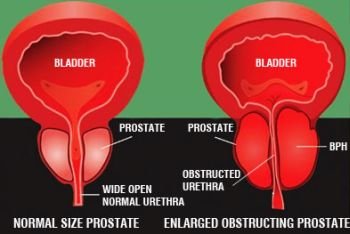
Like age-adjusted PSA values, the concept of PSA density is based on the knowledge that although both benign and malignant prostate tissue makes PSA, malignant prostate tissue makes more per gram.
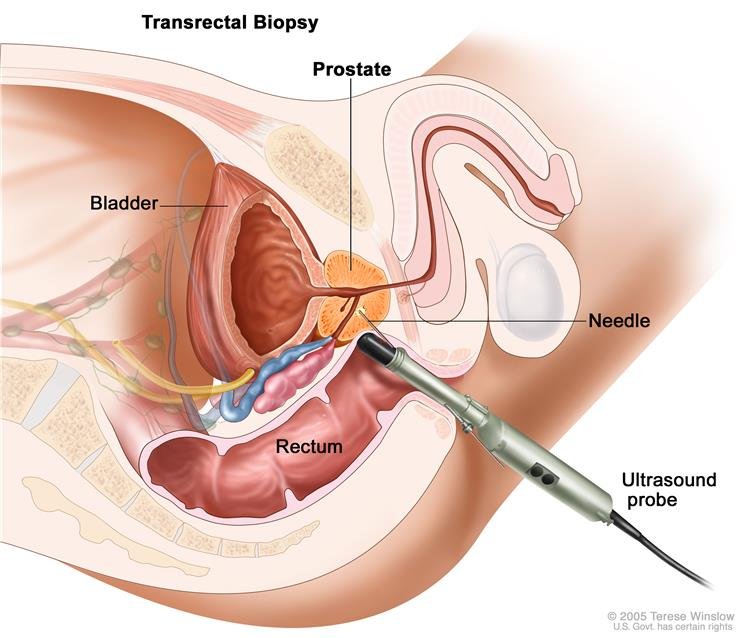
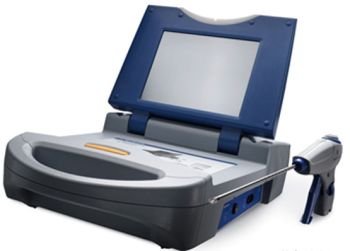
Therefore, the greater density of PSA per total volume of a prostate, the greater likelihood that prostate will contain some cancer. Several studies have evaluated this concept. The serum PSA was measured in a group of men and their prostate volume in grams was estimated by a transrectal ultrasound by dividing the serum PSA by the prostate volume. The men most likely to have cancer had PSA density volumes greater than 0.15. One practical drawback from using PSA density clinically is that it requires a patient to go through a transrectal ultrasound, which is somewhat uncomfortable.
Terms:
PSA density – a measurement calculated by dividing the serum PSA by the prostate volume.
Transrectal ultrasound – a procedure in which a probe is placed in the rectum to visualize the prostate.