DNA Under Attack
For DNA to execute its many vital tasks properly, the genetic code must be kept pristine.
But DNA is under constant attack from cancer causing agents in the environment (called carcinogens), such as smoke, industrial wastes, food by-products, and radiation.
Carcinogens cause mutations in DNA that can be as small as one base change out of three billion or as large as an entire chromosome, involving the complete loss of millions of bases. Fortunately, like the Pink Panther diamond, our cells contain highly sophisticated security systems that guard DNA and continuously probe and preen it for mutations.
These systems are composed of special proteins that have as their sole charge the detection and repair of damaged DNA.
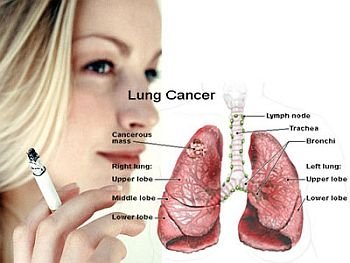
For example, sunlight contains ultraviolet radiation, which nicks and distorts the DNA strands of skin cells. And cigarette smoke releases a chemical called benzopyrene into the bloodstream, which freely passes into the body’s cells to attack the DNA within. Both types of DNA damage are sensed by proteins called “gatekeepers,” which bring the activities of the cell to a grinding halt and issue a command: “Repair the DNA or this cell will die!” Speeding to the scene are proteins called “caretakers,” which repair damaged DNA.
Caretakers grip onto the damaged region, remove the foreign chemical or injured bases, and mend the strands with healthy genetic material.
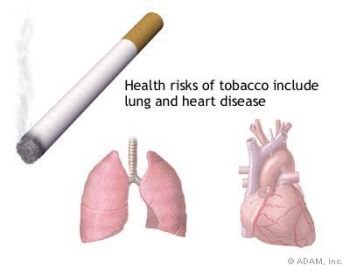
If the DNA sustains so much damage that the cell it directs can no longer function normally, the gatekeepers order the cell to commit suicide. In this way, our bodies are protected against the outgrowth of cancerous cells. Yet the gatekeepers and caretakers are not perfect; they cannot correct 100 percent of the damage to a person’s DNA over a lifetime. Plus, they get overwhelmed: years of smoking will ultimately leave a permanent scar on DNA (and damage other cell parts), leading to such chronic diseases as emphysema and coronary artery disease or to cancer.
Although human DNA is very large (two meters, or almost seven feet, if stretched out, compacted a million fold in the cell!), only about 1 percent of it is composed of the critical segments we call genes. The remaining 99 percent, once thought to be “junk DNA,” protects and regulates access to genes and serves other functions in the cell that scientists are still uncovering.
There is ample room for mutations to affect DNA without altering the integrity of our genes or the behavior of a cell. But when mutations do affect genes, the proteins arising from those altered genetic blueprints will be abnormal and a cell’s behavior can be changed forever