VIDEO
Complex Carbs vs. Simple Carbs
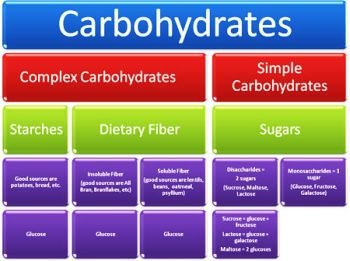
What are the differences between simple and complex carbohydrates?
Carbohydrates are either simple or complex. Simple carbohydrates raise blood sugar levels quickly. Examples include bananas, raisins, white breads, and energy gels. After simple carbohydrates have been digested, they enter the bloodstream as glucose to provide a rapid source of energy to the brain and exercising muscles.
Conversely, complex carbohydrates raise blood sugar levels more slowly. Examples include whole-grain cereals, oatmeal, whole-grain breads, beans, and apples with skin. After complex carbohydrates have been digested, they will enter the bloodstream at a slower rate than simple carbohydrates because of their higher dietary fiber content. Complex carbohydrates provide a long-term source of energy to the exercising muscle and have a higher nutritional value than simple carbohydrates, providing certain vitamins and minerals. Each type of carbohydrate plays a specific role in the athlete’s training, competition, and recovery nutrition plan.
Terms:
Simple carbohydrates – A form of carbohydrate that exists as a monosaccharide or disaccharide.
Complex carbohydrates – a carbohydrate composed of two or more linked simple-sugar molecules.
Dietary fiber – A complex carbohydrate obtained from plant sources. It is not digestible by humans. Although dietary fiber provides no energy for cellular activity, it does help maintain a healthy digestive system, lower blood cholesterol levels, and regulate blood glucose levels.