VIDEO
Truth About Antidepressants & Chemical Imbalance, Psychology
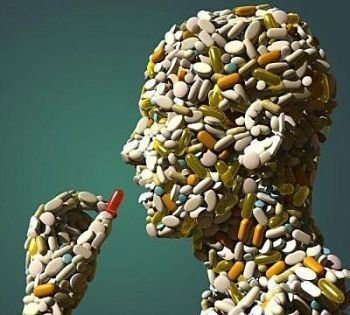
Types of antidepressants
Which antidepressant will suit me best?
There are now over 30 antidepressant drugs to choose from. However, new antidepressants are not more effective than older antidepressants – all antidepressants have the same efficacy.
What vary between drugs are their side-effects particularly; secondly, the older antidepressants are much more dangerous if taken in overdose. Whichever antidepressant is used, significant improvement in mood is not usually seen for approximately 2 weeks.
Medications commonly used for depression and anxiety
The manufacturers’ trade names are included in brackets after the generic (chemical) names. Some drugs are not prescribable on the NHS; these are marked with an asterisk.
Main Antidepressants
Tricyclic antidepressants (TCAs)
These drugs have been in use for the last 40 years. They are also helpful in phobic and obsessive-compulsive disorders. Some are more sedative than others, and this side-effect can help improve sleep patterns. They are contraindicated in pregnancy or if you have severe heart or liver disease, and caution is needed if you have prostate or urinary problems, or glaucoma.
Drugs include:
Amitriptyline (Lentizol)
Amoxapine (Asendis)
Clomipramine (Anafranil)
Dothiepin (Prothiaden)
Doxepin (Sinequan)
Newer drugs include:
Lofepramine (Gamanil)
Imipramine (Tofranil)
Nortriptyline (Allegron)
Trimipramine (Surmontil)
Selective serotonin re-uptake inhibitors (SSRIs)
These are less sedative than TCAs, and have different side-effects. They can cause nausea and increased symptoms of anxiety initially.
Drugs include:
Citalopram (Cipramil)
Fluoxetine (Prozac)
Fluvoxamine (Faverin)
Paroxetine (Seroxat)
Sertraline (Lustral)
Monoamine oxidase inhibitors (MAOIs)
These were the first antidepressants to be developed, and are still potent and effective. They must be used with caution because of interactions with many other drugs and foods, in particular those rich in the amino acid tyramine. Foods to avoid include: cheese, Bovril, Oxo, broad bean pods, banana skins, yeast extracts including Marmite, pickled foods, textured vegetable protein, dark beers, chianti wines, low alcohol drinks, and food that isn’t fresh!
Drugs include:
Phenelzine (Nardil)
Tranylcypromine (Parnate)
Moclobemide (Manerix) – a recently developed ‘reversible’ MAOI is much easier to use with far lower risk of dangerous drug interactions.
Selective noradrenaline re-uptake inhibitors (NARIs)
These have been developed to try and reduce the above side-effects.
Reboxetine (Edronax) is in this group.
Noradrenaline and selective serotonin antidepressants (NASSAs)
Another highly selective class of drug, these are useful if anxiety, sleep disturbance, nausea or sexual problems occur with other medication.
Mirtazapine (Zispin) is in this group.
5-hydroxytryptamine (5-HT) antagonists
These are helpful if sleep disturbance and sexual difficulty occur with other drugs.
Nefazodone (Dutonin) is in this group.
Other
Venlafaxine (Efexor XL) has effects on both 5-HT and NARI systems.
Maprotiline (Ludiomil) is a tetracyclic.
Tranquilisers
Tranquillisers or calming drugs can cause sedation, drowsiness, impaired dexterity and reaction times. There will be warnings on the label about driving or operating machinery. Avoid mixing alcohol with any tranquilliser.
Minor tranquillisers
Benzodiazepines
These are also used as sleeping tablets.
Good points: Few side-effects, and safe in overdosage.
Bad points: Longer acting ones can cause drowsiness the next day. May cause unsteadiness or falls in the elderly. Habit forming; should not be used for longer than 2 weeks, and preferably intermittently.
Drugs include:
Bromazepam (Lexotan)*
Chlordiazepoxide (Librium)
Clobazam (Frisium)*
Clorazepate (Tranxene)*
Diazepam (Valium)
Flunitrazepam (Rohypnol)*
Flurazepam (Dalmane)*
Loprazolam
Lorazepam (Ativan)
Lormetazepam
Nitrazepam (Mogadon)
Oxazepam*
Temazepam
Other
Buspirone (Buspar)
Notes on sleeping tablets: We regard sleeping tablets as helpful for a crisis, but in general longer term use is to be avoided. There is no ideal sleeping tablet. All of these can be dangerous if misused – and some are lethal.
Some others
Chloral hydrate (Welldorm)
Chlormethiazole (Heminevrin)
Zaleplon (Sonata)
Antihistamines. Also used for allergies, they are mildly sedating. Some can be bought over the counter.
Drugs include:
Hydroxyzine (Atarax, Ucerax)
Promethazine (Phenergan)
Zolpidem (Stilnoct)
Zopiclone (Zimovane)
Major tranquillisers
These are often used for treating psychotic illness. They can be helpful in treating anxiety symptoms associated with depression, particularly in lower doses. In higher doses they can cause ‘extrapyramidal’ side-effects (muscular stiffness, tremor and odd movements) but they are non-addictive.
Drugs include:
Chlorpromazine (Largactil)
Droperidol (Droleptan)
Flupenthixol (Depixol, Fluanxol)
Haloperidol (Haldol, Serenace, Dozic)
Perphenazine (Fentazin)
Trifluoperazine (Stelazine)
Barbiturates
These potent drugs are seldom used outside hospital in view of their potential for addiction, abuse, and severe withdrawal. Lethal in overdose or with alcohol, they also affect how you break down other drugs in the liver. They are all Controlled Drugs under the Misuse of Drugs regulations.
Drugs include:
Amylobarbitone (Amytal, Sodium Amytal)
Butobarbitone (Soneryl)
Quinalbarbitone (Seconal, Tuinal)
Mood stabilizers
Lithium. Used to treat bipolar disorder (manic depression) and unipolar depression. It helps stabilise mood; it can be used in treatment-resistant depression. It can also be used to help prevent relapse of mood disorder.
Regular monitoring of blood levels, and thyroid and kidney function is needed.
Other drugs that can also be used as mood stabilisers:
Carbamazepine (Tegretol)
Sodium valproate (Epilim)