VIDEO
Nutrition During Cancer Treatment
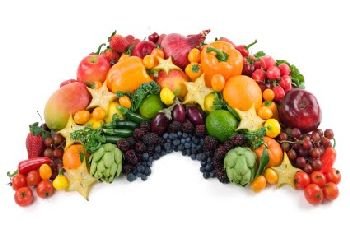
Nutrition during cancer treatment
The healthy eating and living guidelines described above are intended for anyone. But people undergoing cancer treatments have special nutritional needs and challenges.
Patients who have lost weight from the effects on the body of an untreated cancer will usually regain the weight if effective cancer-fighting therapies are initiated. Appetite stimulants can also be prescribed to promote needed weight gain. I encourage patients who have low body weight caused by other medical problems as well as those expected to lose weight because of side effects from strong cancer treatments to meet with a licensed dietician familiar with the nutritional needs of cancer patients.
If you have cancer, your medical or radiation oncologist will be able to predict the nutritional problems associated with various treatments. The goal should be to develop a nutritional plan to maintain optimal weight during cancer therapy. Intensive dietary counseling has been shown to be the best way to maintain one’s nutritional status, enhance one’s quality of life, and minimize side effects during strong cancer treatments. In keeping with our focus on understanding the origins of cancer, I next discuss reasons behind the healthy eating guidelines and why they are thought to help guard against cancer. It is important to note that although diet plays a prominent role in the prevention of cancer and in helping patients better tolerate cancer therapies, diet alone has not been shown to be effective as a cancer treatment.
Diet and Antioxidants
Fruits and vegetables are thought to protect against cancer in large part because of their potent “antioxidant” properties. This term has become synonymous with good health in our culture and is a major way of marketing such foods as ketchup, tea, and juice, to name a few. But what is an antioxidant? Does it counteract an oxidant? Why is it beneficial?
As I discussed earlier, our DNA is continually exposed to damage both from the outside world and from chemicals generated inside a cell during its normal, day-to-day operations. One group of damaging agents is modified forms of oxygen (called “free radicals”) that react with healthy proteins, lipids, and DNA to cause oxidative damage or oxidation. When DNA suffers oxidation, its perfect chemical bonds are disrupted and forced to accept an oxygen molecule.
This wreaks havoc with the structure of DNA; the result is a DNA mutation. If these mutations occur in tumor suppressor genes or genes that become converted into oncogenes, a cancer can result. Oxidative damage is also involved in inflammation, aging, and vascular disease. Foods with antioxidant properties help our cells convert the damaging forms of oxygen into innocuous forms, thereby preventing damage to important molecules.
Fruits and vegetables have many antioxidant compounds; some of the most commonly discussed compounds are vitamin E, beta-carotene, vitamin C, selenium, and lycopene. Some antioxidant compounds in fruits and vegetables are called carotenoids; these are responsible for the vibrant colors of these plant foods. Lycopene, for example, is the carotenoid in tomatoes that makes them red. Yet fruits and vegetables contain a host of carotenoids (an orange has more than fifty) that may need to work together to exert their full anticancer effect.
This may be why studies of people taking individual antioxidant supplements, such as vitamin E and beta-carotene, have failed to demonstrate a reduction in cancer; surprisingly, some of these vitamins actually increased the risk of cancer in a number of studies! The most recent disappointment was the large SELECT Study, which failed to demonstrate a benefit for vitamin E or selenium in the prevention of prostate cancer.
Although the potential of natural food supplements to prevent cancer appears vast, much more research is needed to show that taking one or more supplements can be effectively used for this purpose. This point was emphasized in a recent study showing that those with a history of precancerous colon polyps (adenomas removed at routine colonoscopy) who subsequently took 1 milligram a day of folic acid experienced an increased, rather than decreased, future risk of developing colon cancer; colon cancer survivors should therefore avoid taking extra folic acid supplements. Overall, experts recommend that antioxidants and essential nutrients be obtained in their natural state by eating the right foods.
One notable exception is vitamin D, adequate levels of which have been associated with a lower risk of developing breast, prostate, colon, and possibly lung cancer. Vitamin D is not an antioxidant; its anticancer effects revolve around its ability to promote the normal growth and maturation of cells. It is essential for preventing osteoporosis in postmenopausal women. Experts recommend that adults take a daily vitamin supplement containing between 800 and 1,000 IU of vitamin D in the form of D3 (cholecalciferol).