VIDEO
Nighttime Urinating (Nocturia)
How common is BPH?
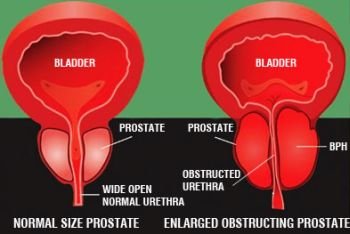
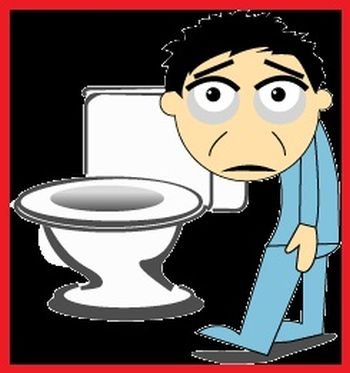
An enlarged prostate can cause a variety of symptoms. Some are referred to as obstructive symptoms and include weak stream, hesitancy of voiding, intermittent stream, a sensation of incomplete bladder emptying, and terminal dribbling. Irritative symptoms include frequent urination, nocturia (getting up at night to urinate), and the urge to urinate.
Other conditions that may be a sign of prostatic enlargement are urinary retention or the inability to void, urinary tract infection, urinary incontinence, and hematuria or blood in the urine.
It is important to acknowledge that bladder dysfunction can either mimic or contribute to some of these symptoms, and the physician must consider these when a diagnosis of prostatic enlargement is made.
There are ads that promote a pill that controls an “overactive bladder.” Could a pill that controls overactive bladders be helpful to men with BPH in reducing frequency?
Yes, that is why it is important for the urologist to differentiate between BPH and an overactive bladder.
Terms:
Nocturia – getting up at night to urinate.
Urinary incontinence – leakage of urine from the bladder through the urethra.
Hematuria – the presence of blood in urine.