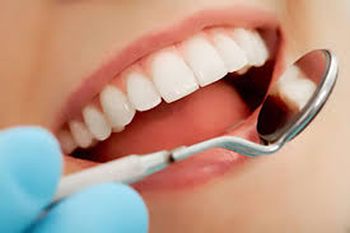
Cosmetic dentistry is a branch of dental care that focuses on improving the appearance of a person’s teeth, gums, and smile. This field has evolved significantly over the years, with advancements in technology, materials, and techniques leading to a wide range of options for patients looking to enhance their smiles. Cosmetic dentistry has a long history that dates back to ancient civilizations. The ancient Egyptians, for example, used various materials such as gold and ivory to restore missing teeth and improve the appearance of their smiles. In ancient Rome, metal bands were used to bind loose teeth together, providing a primitive form of orthodontic treatment. However, it was not until the 18th century that significant advancements in cosmetic dentistry began to emerge. One of the key figures in the history of cosmetic dentistry is Pierre Fauchard, a French dentist often referred to as the “father of modern dentistry.” Fauchard published a groundbreaking book in 1728 titled “The Surgeon Dentist”, in which he outlined various techniques for restoring and improving the appearance of teeth. This book laid the foundation for modern cosmetic dentistry and inspired generations of dentists to further develop the field. In the 20th century, cosmetic dentistry experienced rapid advancements as new materials and techniques were introduced. One of the most significant developments was the invention of dental veneers in the 1920s, which allowed dentists to cover up imperfections in teeth and create a more aesthetically pleasing smile. In the 1950s, the first tooth whitening treatments became available, enabling patients to achieve brighter, whiter smiles. The introduction of dental implants in the 1980s revolutionized the field of cosmetic dentistry, providing a permanent solution for missing teeth and vastly improving the quality of life for patients. In the 1990s, the development of computer-aided design and manufacturing (CAD/CAM) technology enabled dentists to create custom crowns, veneers, and other restorations with unparalleled precision and accuracy. Throughout history, there have been numerous individuals who have made significant contributions to the field of cosmetic dentistry. One such figure is Dr. Charles Pincus, a dentist who is credited with inventing the first dental veneers in the 1920s. Pincus’s invention paved the way for the widespread use of veneers in cosmetic dentistry and transformed the way dentists could improve the appearance of their patients’ smiles.Another influential figure in the field is Dr. Larry Rosenthal, a renowned cosmetic dentist known for his work on celebrity smiles. Rosenthal is considered a pioneer in the use of porcelain veneers and has helped popularize cosmetic dentistry among the general public. His work has been widely praised for its natural-looking results and has set the standard for excellence in the field. The impact of cosmetic dentistry on individuals can be profound, with many patients experiencing a significant boost in self-confidence and overall well-being after undergoing cosmetic dental treatments. A bright, healthy smile can enhance a person’s appearance, improve their social and professional interactions, and even positively impact their mental health. Cosmetic dentistry has the power to transform lives and help individuals feel more comfortable and confident in their own skin. On a societal level, cosmetic dentistry has also had a significant impact by raising awareness of the importance of oral health and hygiene. The popularity of cosmetic procedures has led to a greater emphasis on preventive care and regular dental check-ups, helping to reduce the incidence of dental problems and improve overall oral health in the population. Several individuals have played a key role in shaping the field of cosmetic dentistry and advancing its practice. Dr. Bill Dorfman, known as the “dentist to the stars,” is a highly respected cosmetic dentist who has treated numerous celebrities and transformed their smiles. Dorfman is a pioneer in the use of laser dentistry and has developed innovative techniques for whitening teeth and creating beautiful, natural-looking restorations.
Another influential figure in the field is Dr. Michael Apa, a cosmetic dentist renowned for his expertise in creating flawless smiles using porcelain veneers. Apa’s work has been featured in numerous publications and television shows, earning him a reputation as a leading authority in cosmetic dentistry. His innovative approach to smile design and commitment to excellence have set him apart as a trailblazer in the field. While cosmetic dentistry has undeniably transformed the field of dentistry and improved the lives of countless individuals, it has also been met with some criticism and skepticism. Some detractors argue that cosmetic procedures are purely aesthetic and do not address underlying dental issues, leading to a focus on appearance over health. Others raise concerns about the safety and long-term effects of certain cosmetic treatments, such as teeth whitening or veneers. However, proponents of cosmetic dentistry argue that the field offers numerous benefits beyond improving appearance, such as restoring function, preventing further dental problems, and boosting self-esteem. Cosmetic treatments can also be a key part of a comprehensive treatment plan for patients with complex dental issues, helping them achieve a healthy, beautiful smile that enhances their overall quality of life.As technology continues to advance and new materials and techniques become available, the future of cosmetic dentistry looks promising. Innovations such as 3D printing, digital scanning, and virtual smile design software are already revolutionizing the field, allowing dentists to create custom restorations with unprecedented precision and accuracy. These technologies are making cosmetic treatments more accessible, efficient, and cost-effective for patients. In the coming years, we can expect to see further advancements in minimally invasive procedures, regenerative therapies, and personalized treatment plans tailored to each individual’s unique needs and goals. The integration of artificial intelligence and digital technologies into dental practices will also streamline the treatment process and improve outcomes for patients. Overall, the future of cosmetic dentistry holds great potential for continued growth and innovation in the years to come.
Karolinska University Hospital (with collaboration of Dr. Azadeh Ghorbani)