Contents
CHAPTER ONE
1. Introduction
2. All about diabetes
2.1 What is diabetes?
2.2 Types of diabetes
2.3 Causes of diabetes
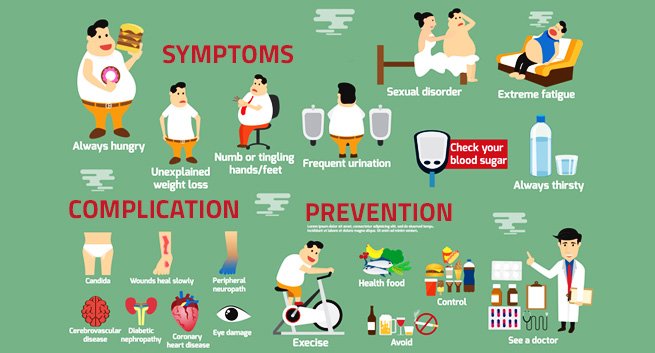
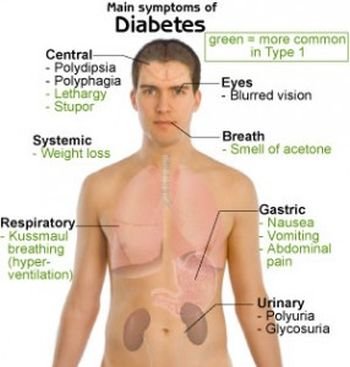
2.4 Symptoms
3. Treatment without insulin
3.1 Diet
3.2 Exercise
3.3 Tablets
3.4 Non-medical treatments
4. Treatment with insulin
4.1 Types of insulin
4.2 Timing
4.3 Dosage
4.4 Injecting
4.5 Diet and insulin
4.6 Hypos
5. Monitoring and control
5.1 Why monitor?
5.2 Blood glucose testing
5.3 Urine
5.4 Haemoglobin A1c and fructosamine
5.5 Diabetes clinics
5.6 Brittle diabetes
6. Life with diabetes
6.1 Sports
6.2 Eating out
6.3 Fasting and diabetes
6.4 Holidays and travel
6.5 Work
6.6 Other illnesses
6.7 Hospital operations
6.8 Driving
6.9 Alcohol
6.10 Drugs
6.11 Smoking
6.12 Prescription charges and Social Security benefits
6.13 Miscellaneous
7. Sex, contraception and HRT
7.1 Impotence
7.2 Contraception and vasectomy
7.3 Thrush
7.4 Hormone replacement therapy (HRT)
7.5 Termination of pregnancy
7.6 Infertility
8. Pregnancy
8.1 Prepregnancy
8.2 Pregnancy management
8.3 Complications
9. Diabetes in the young
9.1 The baby with diabetes
9.2 The child with diabetes
9.3 Diabetes and the adolescent
10. Long-term complications
10.1 General questions
10.2 Eyes
10.3 Feet, chiropody and footwear
10.4 Kidney damage
10.5 Nerve damage
10.6 Heart and blood vessel disease
10.7 Blood pressure problems
10.8 The mind
11. Research and the future
11.2. Searching for causes and cures
11.3. Genetics
11.4. Transplantation
11.5. Insulin pumps and artificial pancreas
11.6. New insulin and oral insulin
11.7. New technology
11.8 Self-help groups
11.9 Juvenile Diabetes Research Foundation
11.10 Insulin Pump Therapy Group
11.11 Insulin Dependent Diabetes Trust
12. Emergencies
12.1 What every person on insulin must know
12.2 What other people must know about diabetes
12.3 Foods to eat in an emergency or when feeling unwell
12.4 Signs and symptoms of hypoglycaemia and hyperglcaemia
CHAPTER TWO
1. Glossary of terms
2. Table – Blood glucose meters
3. Useful publications
4. Useful websites