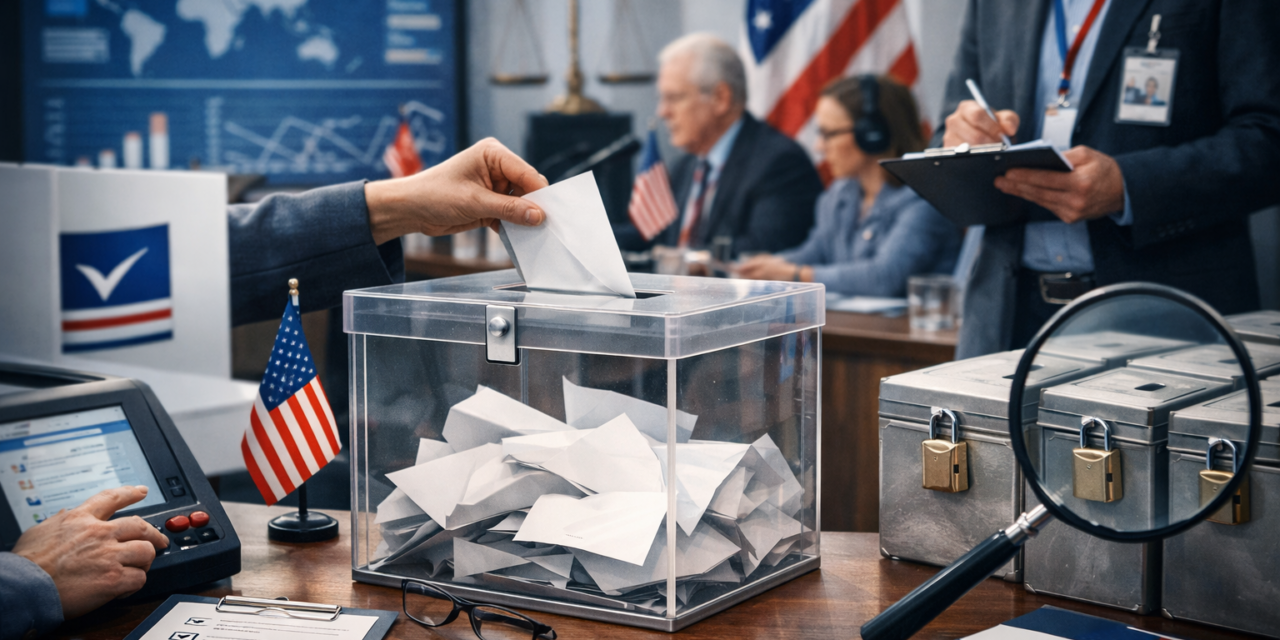
As the world approaches 2026, the concept of electoral integrity and the effectiveness of electoral administration remain critical pillars of democratic governance. These intertwined elements are not merely procedural; they are the bedrock upon which citizen trust in political systems is built and sustained. In an era marked by rapid technological advancements, evolving geopolitical landscapes, and persistent challenges to democratic norms, understanding the state of electoral integrity and administration globally is paramount. This essay will explore the key facets of electoral integrity and administration in 2026, examining the advancements, persistent challenges, and the ongoing efforts to safeguard these fundamental aspects of democracy.
The Pillars of Electoral Integrity and Administration
Electoral integrity refers to the quality of an election, ensuring that it is conducted fairly, transparently, and in accordance with the rule of law, respecting the will of the voters. Electoral administration, on the other hand, encompasses the practical processes and institutions responsible for organizing and conducting elections. These include voter registration, ballot design, polling station management, vote counting, and dispute resolution. In 2026, these processes are shaped by a confluence of factors. Technology plays an increasingly significant role, offering both opportunities for enhanced efficiency and new avenues for manipulation. The use of electronic voter registration systems, digital ballot tracking, and online dissemination of election results can streamline operations and increase transparency. For instance, countries like Estonia have pioneered e-voting, demonstrating the potential for technological integration. However, this technological reliance also introduces vulnerabilities, such as the threat of cyberattacks and the need for robust digital security measures.
Key Challenges and Emerging Trends
Despite advancements, several persistent challenges continue to test electoral integrity in 2026. Disinformation and misinformation campaigns, amplified by social media, pose a significant threat. These campaigns can distort public perception, sow distrust in electoral processes, and influence voter behavior, as seen in various elections over the past decade where foreign interference and domestic manipulation of information have been reported. Ensuring the accuracy and impartiality of electoral information, and equipping citizens with media literacy skills, are therefore crucial. Another ongoing concern is the potential for partisan influence over electoral bodies. Independent electoral commissions are vital for ensuring fairness, yet in some contexts, these institutions may face pressure from ruling parties or opposition groups, undermining their credibility. Maintaining the autonomy and professionalism of election management bodies is a constant struggle.
Furthermore, the physical security of election materials and personnel remains a concern in many regions. In areas experiencing conflict or political instability, the logistics of conducting elections are fraught with danger, and the potential for intimidation and violence at polling stations can deter voters and compromise the outcome. Efforts to improve electoral administration often focus on training election officials, developing clear operational protocols, and ensuring adequate security measures. The global push for greater inclusivity also continues to shape electoral practices. Ensuring that all eligible citizens, including marginalized groups, persons with disabilities, and those living abroad, can exercise their right to vote without undue barriers is a key objective. This involves adapting polling stations, providing accessible voting materials, and implementing appropriate absentee voting mechanisms.
Global Efforts and Future Directions
In response to these challenges, a range of global initiatives are underway to strengthen electoral integrity and administration. International organizations, civil society groups, and national governments are collaborating to develop best practices, share knowledge, and provide technical assistance. The use of election observation missions, both domestic and international, remains a vital tool for monitoring electoral processes and identifying areas for improvement. These observers provide an independent assessment of whether elections are conducted in line with legal standards and international norms. Furthermore, there is a growing emphasis on legislative reforms that bolster the independence of electoral bodies, enhance transparency in campaign finance, and strengthen mechanisms for electoral dispute resolution. The development of international standards and benchmarks for electoral integrity also provides a framework for countries to assess and improve their own electoral systems. The ongoing dialogue surrounding electoral integrity in 2026 highlights a recognition that democratic resilience requires continuous adaptation and a steadfast commitment to upholding the fundamental principles of fair and free elections.
Conclusion
As 2026 unfolds, electoral integrity and administration continue to be dynamic and crucial aspects of global democracy. While technological advancements offer promising avenues for improved efficiency and transparency, they also introduce new vulnerabilities that demand vigilant attention. Persistent challenges such as disinformation, partisan interference, and security concerns require ongoing efforts to bolster the independence and professionalism of electoral institutions, promote media literacy, and ensure inclusive participation. Through collaborative global initiatives, robust observation, and strategic legislative reforms, the international community strives to fortify electoral processes, thereby reinforcing the foundations of trust and legitimacy essential for democratic societies to thrive. The pursuit of electoral integrity is not a static goal but an ongoing process of adaptation and commitment.
Bibliografia
- Norris, P. Why Elections Fail. Cambridge University Press.
- Birch, S. Electoral Malpractice. Oxford University Press.
- Mozaffar, S., & Schedler, A. The Comparative Study of Electoral Governance.
- James, T. S. Comparative Electoral Management. Routledge.
- Levitsky, S., & Ziblatt, D. How Democracies Die. Crown Publishing.
- Diamond, L. Ill Winds: Saving Democracy from Russian Rage, Chinese Ambition, and American Complacency. Penguin Press.
- Hyde, S. The Pseudo-Democrat’s Dilemma. Cornell University Press.
- Norris, P., & Grömping, M. Electoral Integrity Worldwide. Harvard Kennedy School.
- Cambridge University Press – https://www.cambridge.org
- Oxford University Press – https://global.oup.com
- Routledge – https://www.routledge.com
- Penguin Random House – https://www.penguinrandomhouse.com
- Cornell University Press – https://www.cornellpress.cornell.edu (cornellpress.cornell.edu in Bing)
- Harvard Kennedy School – https://www.hks.harvard.edu
Meta description
Global analysis of electoral integrity and election administration in 2026, highlighting technological advances, persistent challenges, and international efforts to strengthen democratic processes.
Meta keywords
electoral integrity, election administration, 2026 elections, global democracy, disinformation, electoral technology, cybersecurity, election management bodies, inclusive participation, election observation, electoral reforms, democratic trust
References:
https://www.tandfonline.com/doi/full/10.1080/10584609.2025.2611913
https://isps.yale.edu/research/publications/isps07-009
https://digitalcommons.du.edu/cgi/viewcontent.cgi?article=1021&context=advancedintlstudies
https://oaj.fupress.net/index.php/qoe/article/view/14171
https://www.tandfonline.com/doi/full/10.1080/1369118X.2026.2647362
https://www.frontiersin.org/journals/political-science/articles/10.3389/fpos.2025.1672310/full
https://link.springer.com/article/10.1007/s11558-024-09554-3
https://pmc.ncbi.nlm.nih.gov/articles/PMC10615620/
https://www.cogitatiopress.com/politicsandgovernance/article/download/9762/4463
https://www.ijfmr.com/research-paper.php?id=74502
https://www.frontiersin.org/journals/political-science/articles/10.3389/fpos.2019.00001/full
https://www.mdpi.com/2075-4698/12/3/85
https://www.mdpi.com/2075-4698/15/2/40
https://www.nature.com/articles/s41562-026-02430-7