Inflation, a persistent and pervasive economic phenomenon, has once again emerged as a significant concern for policymakers and citizens worldwide. Its insidious erosion of purchasing power, distortion of economic signals, and potential to destabilize societies necessitate vigilant and coordinated efforts to maintain price stability. While inflation is often discussed within national contexts, its increasingly interconnected global economy means that its control is no longer solely a domestic endeavor. The period leading up to April 2026 presents a crucial juncture, marked by the lingering effects of pandemic-induced supply chain disruptions, geopolitical tensions, and the ongoing transition towards a greener economy, all of which exert complex pressures on global price levels. This essay will explore the multifaceted challenges and strategies associated with inflation control at the global level, examining the interplay of international institutions, national policies, and emerging trends that will shape price stability in the coming years. It will delve into the theoretical underpinnings of inflation, analyze the contemporary drivers of global price pressures, and critically evaluate the effectiveness and coordination of various policy responses, aiming to provide a comprehensive understanding of the landscape of inflation control as we approach mid-2026.
Understanding Inflation: Theoretical Foundations and Global Manifestations
Before delving into the specific challenges and policy responses for the period up to April 2026, it is essential to establish a clear understanding of inflation itself. Inflation, at its core, is a sustained increase in the general price level of goods and services in an economy over a period of time. When the general price level rises, each unit of currency buys fewer goods and services; consequently, inflation reflects a reduction in the purchasing power per unit of money. This is a widely accepted definition, but the nuances of its causes and consequences are a subject of ongoing economic debate.
Several prominent theories attempt to explain the phenomenon of inflation. The first, and perhaps most intuitive, is demand-pull inflation. This occurs when aggregate demand in an economy outpaces aggregate supply, leading to a situation where “too much money chases too few goods. ” This can be fueled by factors such as increased consumer spending, government stimulus packages, or a rapid expansion of the money supply. For instance, if a government implements a large fiscal stimulus during an economic downturn, and the economy quickly recovers, the surge in demand might outstrip the economy’s capacity to produce goods and services, driving up prices.
Secondly, cost-push inflation arises from increases in the costs of production. When businesses face higher input costs, they tend to pass these costs onto consumers in the form of higher prices. This can be triggered by a variety of factors, including rising wages, increased prices of raw materials (like oil or metals), or disruptions to supply chains that make it more expensive to transport goods. The energy price shocks of the 1970s are a classic example of cost-push inflation, where OPEC’s oil embargo led to significantly higher oil prices, which in turn increased transportation and manufacturing costs across the globe.
A third perspective, often linked to the quantity theory of money, emphasizes the role of the money supply. Monetarists argue that inflation is primarily a monetary phenomenon, stating that “inflation is always and everywhere a monetary phenomenon,” as famously articulated by Milton Friedman. This theory posits that when the amount of money circulating in an economy grows at a faster rate than the production of goods and services, the value of each unit of money decreases, leading to a rise in prices. Central banks, by controlling the money supply, play a critical role in managing inflation according to this view.
Finally, structural inflation theories highlight systemic issues within an economy that can lead to persistent price increases. These can include market imperfections, rigidities in wage and price setting, or bottlenecks in specific sectors. For example, if a country has a highly concentrated market for essential goods, dominant firms might be able to unilaterally increase prices, contributing to overall inflation.
Globally, inflation manifests through interconnected channels. The prices of globally traded commodities, such as oil, gas, food, and metals, have a direct and often significant impact on domestic price levels in many countries. Fluctuations in these commodity markets, driven by geopolitical events, weather patterns, or shifts in global demand, can transmit inflationary pressures across borders. Furthermore, exchange rate movements play a crucial role. A depreciation of a country’s currency makes imports more expensive, contributing to imported inflation. Conversely, an appreciation can help dampen inflationary pressures by making imports cheaper.
The increasing globalization of supply chains also means that disruptions in one part of the world can have ripple effects elsewhere. A factory shutdown due to a natural disaster or a pandemic in a key manufacturing hub can lead to shortages of goods, driving up prices globally. Similarly, international trade policies, such as tariffs and trade wars, can directly influence the cost of imported goods and impact the competitiveness of domestic industries, indirectly affecting inflation.
Understanding these theoretical underpinnings and global transmission mechanisms is vital for comprehending the complexities of inflation control efforts targeted at the period leading up to April 2026. The interplay of demand, supply, monetary policy, and global interconnectedness will undoubtedly shape the inflationary environment and the efficacy of policy responses in the coming years.
Contemporary Drivers of Global Inflationary Pressures (Pre-April 2026)
The period leading up to April 2026 is characterized by a confluence of powerful and often interacting factors that have fueled significant global inflationary pressures. These drivers are not entirely novel, but their intensity and the specific circumstances under which they have emerged present unique challenges for policymakers.
One of the most significant and persistent drivers has been the lingering impact of the COVID-19 pandemic. The pandemic triggered unprecedented supply chain disruptions. Lockdowns, factory closures, transportation bottlenecks, and labor shortages led to a sharp decline in the availability of many goods, from semiconductors to consumer electronics to basic building materials. While some of these disruptions have eased, others remain stubbornly entrenched. For instance, the rerouting of shipping due to geopolitical events or port congestion continues to increase transit times and costs. Furthermore, a surge in consumer demand for goods, particularly during the pandemic when services were restricted, exacerbated these supply-side constraints. When demand outstrips supply, prices naturally tend to rise. This demand-side pressure was further amplified by substantial fiscal and monetary stimulus packages implemented by governments and central banks to cushion the economic blow of the pandemic. While necessary to prevent a deeper recession, these measures injected significant liquidity into the global economy, increasing purchasing power without a commensurate increase in the supply of goods and services.
Geopolitical tensions represent another critical inflationary force. The ongoing conflict in Ukraine, for example, has had profound implications for global energy and food markets. Russia and Ukraine are major exporters of oil, natural gas, and crucial agricultural products like wheat and corn. The disruption of these supplies, coupled with sanctions and uncertainty, has led to sharp increases in the prices of these essential commodities. This has a direct impact on household budgets through higher energy bills and food costs, and an indirect impact on businesses through increased input costs, which are then passed on to consumers. Beyond the immediate conflict, broader geopolitical fragmentation and rising trade protectionism also contribute to inflationary pressures. As countries prioritize national security and economic resilience, they may seek to reshore or nearshore production, which can be more expensive than relying on established global supply chains. Tariffs and trade barriers also increase the cost of imported goods.
The global energy transition, while a necessary long-term strategy for climate change mitigation, also presents short-to medium-term inflationary challenges. The shift away from fossil fuels towards renewable energy sources requires massive investment and can lead to price volatility in the transition period. In the short term, underinvestment in traditional energy infrastructure, coupled with the growing demand for energy, can lead to price spikes. Furthermore, the production of materials essential for renewable energy technologies, such as critical minerals, is subject to supply constraints and can be susceptible to price volatility. This adds another layer of complexity to energy price management and its impact on inflation.
Labor market dynamics are also playing a crucial role. In many developed economies, there has been a significant tightening of labor markets following the pandemic. This has been driven by a combination of factors, including the withdrawal of some workers from the labor force (due to early retirement, long-term illness, or changing lifestyle preferences), increased demand for labor as economies reopened, and in some cases, increased bargaining power for workers. This has led to upward pressure on wages. While wage growth is beneficial for workers, if it outpaces productivity growth, it can contribute to cost-push inflation as businesses seek to recoup higher labor costs through price increases.
Finally, shifts in consumer behavior and expectations can embed inflationary pressures. If consumers and businesses expect inflation to remain high, they may adjust their behavior accordingly. For example, workers might demand higher wages to compensate for expected future price increases, and businesses might preemptively raise prices anticipating higher costs. This can create a self-fulfilling prophecy, where expectations of inflation contribute to actual inflation. Central banks monitor inflation expectations closely because they can significantly influence the persistence of inflation.
These interconnected factors – pandemic aftermath, geopolitical instability, energy transition dynamics, labor market shifts, and evolving expectations – create a complex and challenging environment for inflation control leading up to April 2026. Addressing inflation effectively requires a nuanced understanding of these drivers and the development of coordinated and targeted policy responses.
Policy Responses: National and International Strategies
Controlling inflation at the global level necessitates a multifaceted approach involving both national policy actions and international coordination. While individual countries bear primary responsibility for managing their domestic price stability, the interconnected nature of the global economy means that international cooperation and a harmonized approach to certain policy areas are increasingly important.
At the national level, monetary policy remains the primary tool for inflation control. Central banks, such as the U. S. Federal Reserve, the European Central Bank, and the Bank of England, have been tightening monetary policy by raising interest rates. The objective of raising interest rates is to make borrowing more expensive, which in turn dampens aggregate demand. Higher borrowing costs discourage businesses from investing and consumers from taking out loans for major purchases like homes and cars. This reduction in spending helps to cool down an overheated economy and alleviate inflationary pressures. Alongside interest rate hikes, central banks may also employ quantitative tightening (QT), which involves reducing the size of their balance sheets by selling off assets acquired during periods of quantitative easing. This effectively removes liquidity from the financial system, further contributing to monetary tightening. The effectiveness of these monetary policy actions depends on several factors, including the speed and magnitude of the rate hikes, the sensitivity of the economy to interest rate changes, and the credibility of the central bank. If a central bank is perceived as committed to its inflation target, it can help anchor inflation expectations, making its policies more effective.
Fiscal policy also plays a significant role. Governments can contribute to inflation control by implementing measures that reduce aggregate demand or alleviate supply-side constraints. For instance, governments can reduce their own spending or increase taxes, both of which tend to decrease overall demand in the economy. However, fiscal consolidation can be politically challenging, especially during periods of economic uncertainty or when there is pressure for social spending. On the supply side, governments can implement policies aimed at easing supply chain bottlenecks, such as investing in infrastructure, streamlining customs procedures, or promoting competition in key sectors. Targeted fiscal support for vulnerable households and businesses affected by high energy and food prices can also help mitigate the social impact of inflation without significantly boosting overall demand. However, poorly designed fiscal support, such as broad-based stimulus checks, can inadvertently add to inflationary pressures.
Beyond traditional monetary and fiscal policies, structural reforms are crucial for long-term inflation stability. These reforms aim to enhance the productive capacity of the economy, making it more resilient to supply shocks and less prone to inflationary pressures. Examples include policies that promote labor market flexibility, encourage innovation and productivity growth, reduce regulatory burdens, and foster competition. Addressing market concentration and anti-competitive practices can prevent price gouging and ensure that the benefits of productivity gains are passed on to consumers.
On the international front, cooperation among countries and international institutions is vital, particularly in managing global supply shocks and ensuring financial stability. The International Monetary Fund (IMF) and the World Bank play important roles in providing financial assistance to countries facing economic difficulties and in promoting policy dialogue and coordination. For instance, during periods of global commodity price volatility, international bodies can facilitate discussions on supply management and emergency food aid.
The coordination of monetary policies among major economies is also a consideration, although it is complex to achieve perfectly. If major central banks act in concert to tighten monetary policy, it can have a more potent global impact. However, differing domestic economic conditions and policy priorities often lead to divergent monetary policy paths, which can create exchange rate volatility and spillover effects.
International cooperation is also critical in addressing supply chain resilience. Agreements to reduce trade barriers, invest in global logistics, and diversify critical supply sources can help mitigate the inflationary impact of future disruptions. Initiatives aimed at stabilizing energy markets, such as coordinated releases of strategic petroleum reserves or agreements on energy production, can also contribute to global price stability.
The management of global public goods, such as climate change mitigation, also has implications for inflation. While the transition to a green economy is essential, a lack of coordinated investment and policy frameworks can lead to price volatility in energy and commodity markets. International collaboration on climate finance and technology transfer can help ensure a smoother and less inflationary transition.
The effectiveness of these policy responses up to April 2026 will depend on their appropriate sequencing, calibration, and the ability of policymakers to adapt to evolving economic conditions. Striking the right balance between fighting inflation and supporting economic growth remains a paramount challenge for both national governments and international bodies.
Challenges and Risks in Global Inflation Control
The pursuit of global inflation control until April 2026 is fraught with significant challenges and risks that can undermine the effectiveness of policy interventions. These challenges stem from the complexity of the global economy, the limitations of policy tools, and the inherent unpredictability of future events.
One of the most significant challenges is the trade-off between inflation control and economic growth. The primary tool for fighting inflation, monetary policy tightening through higher interest rates, inevitably slows down economic activity. This raises the risk of triggering a recession, which can lead to job losses and reduced living standards. Policymakers face a delicate balancing act: tightening policy enough to curb inflation without causing undue economic hardship. The precise point at which tightening becomes counterproductive is difficult to ascertain, and miscalculations can have severe consequences. This dilemma is particularly acute when dealing with a mix of demand-pull and cost-push inflation. Monetary policy is more effective at curbing demand-driven inflation, but its impact on supply-side cost pressures is less direct and can be more painful for economic growth.
Another major challenge is the accurate forecasting of inflation and the lags associated with policy implementation. Economic models are imperfect, and predicting the future path of inflation is inherently uncertain. The effects of monetary and fiscal policy changes are also not instantaneous; they operate with a lag, meaning that the full impact of a policy decision may not be felt for several months or even longer. This creates a risk that policymakers might overreact or underreact to current inflationary conditions, leading to policy errors. For instance, if a central bank tightens policy too aggressively based on current inflation data, and inflation subsequently falls more rapidly than expected due to other factors, the economy could be pushed into an unnecessarily deep downturn.
The persistence of supply chain disruptions and geopolitical risks poses a significant obstacle. Unlike demand-pull inflation, which can be addressed through monetary and fiscal policy, cost-push inflation driven by external supply shocks is more difficult for national policymakers to control. For example, a sudden surge in global energy prices due to a geopolitical crisis cannot be easily resolved by raising interest rates, which would primarily dampen demand. While international cooperation can help mitigate some supply shocks, the underlying causes of these disruptions, such as conflict or trade disputes, are often beyond the immediate control of economic policymakers. The long-term implications of deglobalization and the reconfiguration of supply chains also introduce a degree of uncertainty regarding future production costs and inflation trends.
The heterogeneity of economic conditions across countries presents another challenge. Inflation rates and the underlying causes of inflation can vary significantly from one nation to another. What might be an appropriate policy response in one country could be inappropriate or even harmful in another. This makes a unified global approach difficult and necessitates tailored national strategies. For example, emerging market economies, which are often more vulnerable to fluctuations in global commodity prices and exchange rates, may face different inflation challenges than developed economies with more stable currencies and diversified economies. Coordinating policies among countries with diverse economic structures and policy priorities is therefore a complex undertaking.
The anchoring of inflation expectations is a critical, yet challenging, aspect of inflation control. If businesses and consumers expect inflation to remain high, they will adjust their behavior in ways that can perpetuate inflation. For instance, workers may demand higher wages, and firms may increase prices preemptively. Central banks strive to anchor inflation expectations by clearly communicating their commitment to price stability and by demonstrating the credibility of their policy actions. However, if inflation remains stubbornly high for an extended period, or if there are significant shocks to the economy, these expectations can become de-anchored, making it much harder to bring inflation down without inflicting significant economic pain.
The issue of fiscal dominance also poses a risk. In some countries, governments may face pressure to finance their deficits through monetary means, which can lead to excessive money printing and fuel inflation. If central banks lack independence from political pressures, they may be forced to prioritize government financing over inflation control, undermining their ability to maintain price stability.
Finally, the interaction between inflation control policies and other global economic challenges, such as climate change and inequality, adds further complexity. Policies aimed at accelerating the green transition, while necessary for long-term sustainability, can have short-term inflationary implications due to investments in new technologies and potential disruptions to existing energy markets. Moreover, the burden of inflation and the impact of inflation control policies are often not borne equally across society, potentially exacerbating existing inequalities. Policymakers must navigate these interconnected challenges to ensure that inflation control efforts do not unduly hinder progress on other critical global objectives.
The Role of International Institutions and Cooperation
In the increasingly interconnected global economy, the role of international institutions and cooperation in managing inflation cannot be overstated. While national governments hold the primary responsibility for their domestic monetary and fiscal policies, international bodies and coordinated efforts are crucial for addressing cross-border inflationary pressures and ensuring global financial stability. The period up to April 2026 necessitates a robust engagement with these international mechanisms.
The International Monetary Fund (IMF) stands as a pivotal institution in global economic governance. Its mandate includes promoting international monetary cooperation, facilitating the expansion and balanced growth of international trade, and promoting exchange rate stability. In the context of inflation control, the IMF plays several key roles. Firstly, it monitors global economic trends and provides analysis and forecasts, alerting member countries to potential inflationary risks and advising on appropriate policy responses. Through its surveillance activities, the IMF can identify spillover effects of national policies and encourage more coordinated approaches. Secondly, the IMF provides financial assistance to countries facing balance of payments problems or economic crises. This assistance can be critical in preventing countries from resorting to measures that could exacerbate global inflationary pressures, such as competitive devaluations or excessive money printing to finance deficits. Thirdly, the IMF offers technical assistance and policy advice to its member countries, helping them to strengthen their economic institutions and implement sound macroeconomic policies, including those aimed at maintaining price stability.
The World Bank, while primarily focused on poverty reduction and development, also contributes to global inflation control through its support for structural reforms that enhance economic efficiency and productivity. By fostering investment in infrastructure, education, and institutions, the World Bank helps countries to increase their productive capacity, thereby mitigating supply-side constraints that can fuel inflation. Its work in areas such as agricultural development and energy infrastructure can also directly address specific sectors vulnerable to price shocks.
Central banks, through forums like the Bank for International Settlements (BIS) and various regional central banking committees, engage in dialogue and information sharing that can inform their policy decisions. The BIS, often referred to as the “central bank for central banks,” facilitates cooperation among central banks, provides a platform for policy discussions, and conducts research on global financial stability. While explicit coordination of interest rate policies is rare due to differing national circumstances, informal dialogue can help prevent uncoordinated policy moves that could lead to excessive exchange rate volatility or financial market instability.
Regional development banks, such as the Asian Development Bank (ADB) and the African Development Bank (AfDB), also play a significant role within their respective regions. They provide financing for development projects and offer policy advice, contributing to macroeconomic stability and resilience in emerging economies, which are often more susceptible to global inflationary shocks.
The World Trade Organization (WTO) has a crucial, albeit indirect, role in inflation control by promoting open and predictable trade. Reductions in trade barriers and the establishment of clear trade rules can enhance the efficiency of global supply chains, reduce the cost of imported goods, and promote competition, all of which can help to dampen inflationary pressures. Conversely, rising protectionism and trade disputes can have inflationary consequences. Therefore, efforts to strengthen the multilateral trading system and resolve trade disputes are conducive to global price stability.
In addressing specific global shocks, such as the energy and food crises stemming from geopolitical events, international cooperation can take various forms. This might include coordinated releases of strategic reserves of oil to stabilize prices, joint efforts to ensure the unimpeded flow of essential food supplies, and financial support for developing countries disproportionately affected by these price surges.
Furthermore, international efforts to manage global challenges such as climate change have indirect but significant implications for inflation. A well-managed transition to a green economy, supported by international agreements on climate finance and technology sharing, can help to minimize potential inflationary spikes associated with energy market disruptions.
Despite these important roles, the effectiveness of international institutions and cooperation in inflation control is not without its limitations. The principle of national sovereignty means that countries ultimately retain the autonomy to set their own economic policies. Enforcement mechanisms for international agreements are often weak, and consensus-building among diverse member states can be challenging and time-consuming. Moreover, the global economic landscape is constantly evolving, requiring these institutions to adapt their strategies and approaches continually. For the period leading up to April 2026, the continued relevance and effectiveness of these international mechanisms will depend on their ability to foster genuine collaboration, provide timely and relevant advice, and adapt to the unique inflationary challenges of the post-pandemic era.
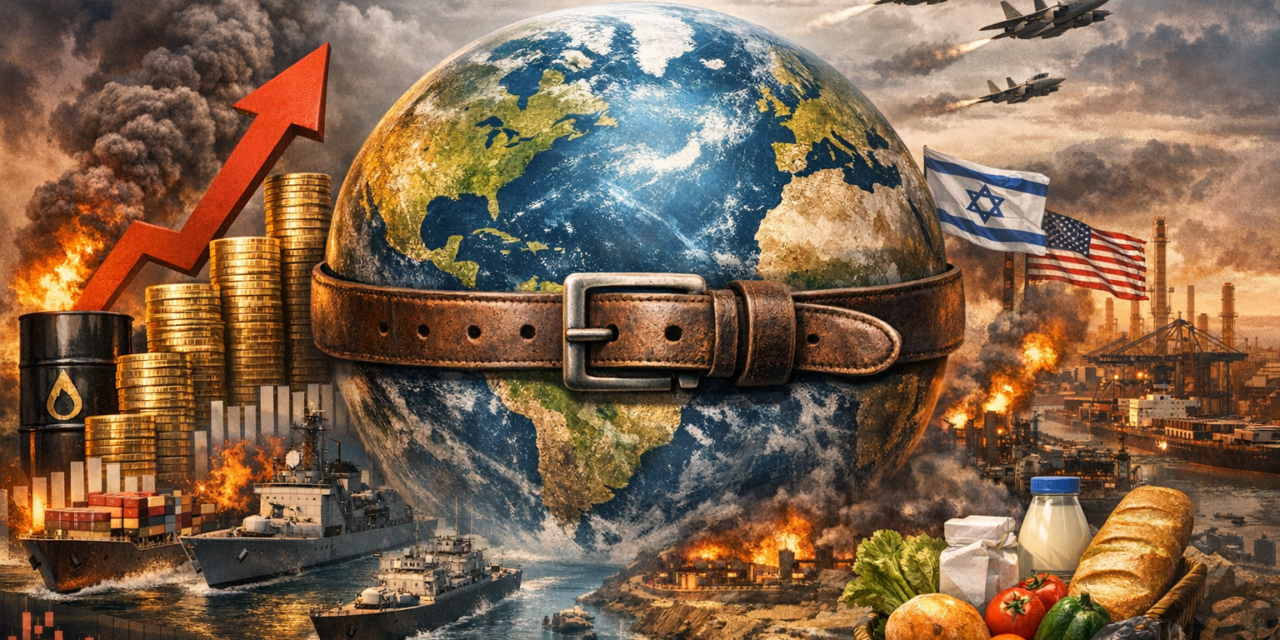
The escalation of the war involving the United States, Israel and Iran, together with the blockade of the Strait of Hormuz, is generating a set of pressures that tend to fuel inflation at a global level. The first consequence arises from the energy shock: with the circulation of oil and gas severely restricted, international energy prices soar, affecting everything from fuel to electricity and maritime transport. Since energy is an essential input for virtually all economic activities, the increase in its cost spreads rapidly to food products, industrial goods and services, creating a cascading effect that is difficult to contain.
Instability in financial markets intensifies the problem. Heightened risk perception leads investors to shift capital towards assets considered safer, which triggers exchange‑rate volatility and puts pressure on the currencies of countries dependent on energy imports. A weaker currency makes external purchases even more expensive, reinforcing the inflationary spiral. At the same time, transport and maritime insurance costs rise sharply due to the risks associated with navigating the region, making international trade more expensive and extending delivery times, which adds further pressure on prices.
Geopolitical uncertainty also affects the expectations of economic agents. Companies anticipate higher costs and adjust prices preventively, while consumers, fearing shortages or future price increases, tend to bring forward purchases, fuelling demand at a time when supply is constrained. This combination of unanchored expectations and supply shocks creates an environment conducive to persistent inflation, even if global demand is not particularly strong.
Finally, governments face reduced room for manoeuvre. Tighter monetary policies may slow economic activity without addressing the underlying problems, which are essentially geopolitical and logistical in nature. Fiscal policies, pressured by defence needs, social support and price‑stabilisation measures, may worsen fiscal imbalances and, in some cases, further intensify inflationary tensions.
Overall, the conflict and the blockade of the Strait of Hormuz create a scenario in which inflation stems not only from economic factors but above all from external shocks that disrupt energy supply, trade flows and global confidence, making price control a complex and prolonged challenge.
Conclusion
The global economic landscape leading up to April 2026 is characterized by a complex interplay of forces exerting upward pressure on prices. The lingering effects of the COVID-19 pandemic, including persistent supply chain disruptions and pent-up consumer demand, continue to contribute to inflationary pressures. These are compounded by significant geopolitical tensions, particularly the conflict in Ukraine, which has disrupted global energy and food markets. The ongoing transition to a greener economy, while essential for long-term sustainability, also presents short-to-medium-term challenges related to energy price volatility and investment costs. Furthermore, tight labor markets in many economies are leading to upward wage pressures, and evolving inflation expectations can create self-reinforcing cycles.
In response to these challenges, policymakers at both national and international levels are employing a range of strategies. Central banks are primarily relying on monetary policy tightening, raising interest rates and reducing liquidity to curb aggregate demand. Fiscal policy is also being utilized, with governments seeking to manage government spending and taxation to influence demand and address supply-side constraints. Structural reforms aimed at enhancing productivity, improving labor market flexibility, and fostering competition are crucial for long-term price stability.
International institutions, such as the IMF and the World Bank, play a vital role in monitoring global trends, providing financial and technical assistance, and promoting policy dialogue. Cooperation among central banks and international organizations is essential for addressing cross-border shocks and ensuring global financial stability. However, the effectiveness of these policy responses is constrained by several significant challenges. The inherent trade-off between inflation control and economic growth, the lags associated with policy implementation, the difficulty in forecasting economic developments, and the persistence of unpredictable external shocks all pose considerable risks. Moreover, the diversity of economic conditions across countries makes a unified global approach difficult, and the potential for fiscal dominance and de-anchored inflation expectations remain ongoing concerns.
Looking ahead to April 2026, the path to global price stability will likely involve navigating a delicate balance. Policymakers will need to remain vigilant, adapting their strategies as economic conditions evolve. A commitment to credible monetary policy, prudent fiscal management, and the pursuit of structural reforms will be paramount. Enhanced international cooperation will be essential to address shared challenges and mitigate the spillover effects of national policies. The success of these efforts will ultimately depend on the ability of governments and international bodies to foster resilience, manage uncertainty, and maintain a steadfast focus on the long-term objective of price stability, thereby safeguarding economic well-being and fostering sustainable global prosperity.
Bibliography
- Alesina, A., & Giavazzi, F. The Future of the Global Economy: Geopolitics, Energy and Inflation. Oxford University Press, 2024.
- International Energy Agency (IEA). World Energy Outlook 2025. Paris: IEA Publications, 2025.
- Krugman, P. Macroeconomics in Times of Geopolitical Fragmentation. Princeton University Press, 2025.
- World Bank. Global Economic Prospects: Inflation Under Supply Shocks. Washington, DC: World Bank Group, 2025.
- International Monetary Fund (IMF). Regional Economic Outlook: Middle East and Central Asia. Washington, DC: IMF, 2025.
References:
https://www.goldmansachs.com/insights/articles/forecasts-for-the-worlds-biggest-economies-in-2026
https://pmc.ncbi.nlm.nih.gov/articles/PMC7841454/
https://www.sciencedirect.com/science/article/pii/S016920702400092X
https://publications.essex.ac.uk/esj/article/id/230/
https://www.jpmorgan.com/insights/global-research/economy/global-inflation-forecast
https://www.imf.org/en/publications/fandd/issues/series/back-to-basics/inflation
https://www.sciencedirect.com/science/article/pii/S1042443125000319
https://www.sciencedirect.com/science/article/pii/S1059056025005295
https://www.elibrary.imf.org/view/journals/001/2025/231/article-A001-en.xml
https://www.mdpi.com/1911-8074/17/6/221
https://academic.oup.com/ooec/article/doi/10.1093/ooec/odac008/6698713
https://pmc.ncbi.nlm.nih.gov/articles/PMC10184877/
https://www.sciencedirect.com/science/article/pii/S1303070123000136
https://pmc.ncbi.nlm.nih.gov/articles/PMC7844108/
https://www.stlouisfed.org/on-the-economy/2025/jan/look-inflation-recent-years-lens-macroeconomic-model
https://papers.ssrn.com/sol3/Delivery.cfm/6000235.pdf?abstractid=6000235&mirid=1
https://read.dukeupress.edu/radical-history-review/article/2025/151/153/399717/Living-with-InflationPolicymaking-and-Popular
https://www.researchgate.net/publication/388203116_Quantitative_Tightening_Theory_Research_and_Impact_on_Selected_Emerging_Market_Economies
https://www.spglobal.com/ratings/en/regulatory/article/economic-outlook-us-q2-2026-curb-your-enthusiasm-s101676533