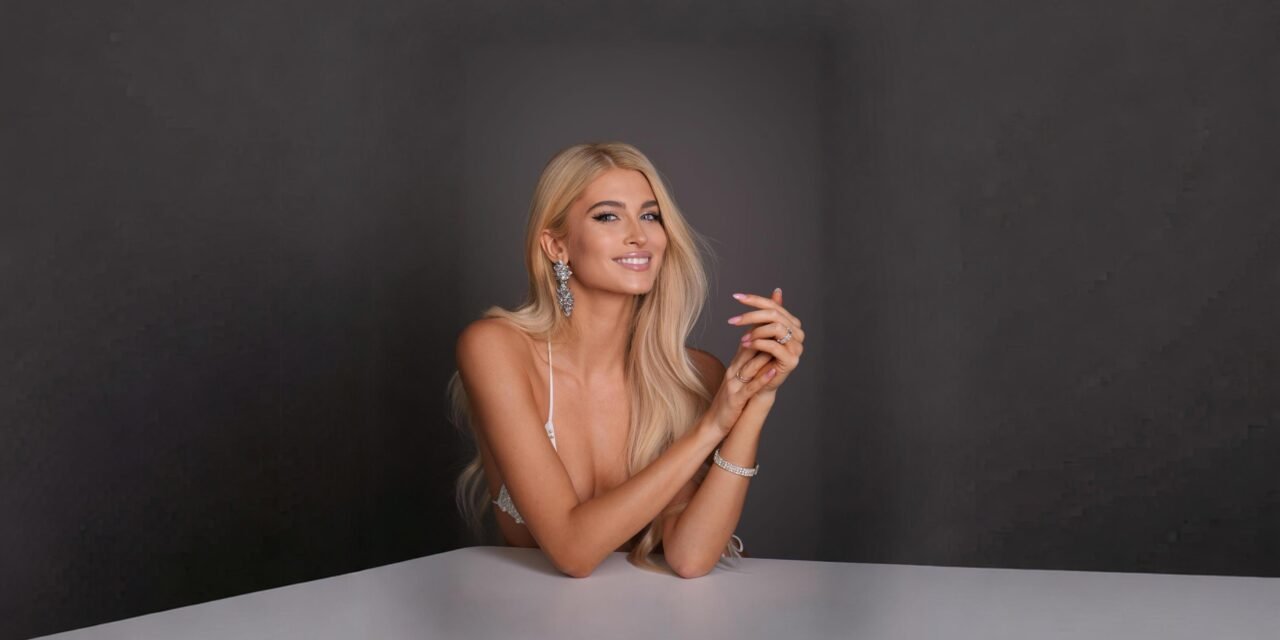
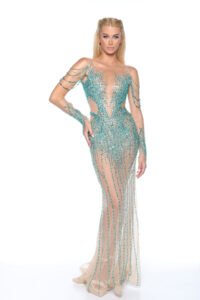
Andreea Kira Stan is Miss Intercontinental Romania 2025, standing out for her rare combination of elegance, strong academic background, and remarkable international presence. Standing 180 cm tall and holding a Law degree, she represents a new generation of Romanian women who unite intelligence, discipline, and social impact. As a model and cultural ambassador, Andreea Kira has become a prominent Romanian figure on the global stage, promoting values of confidence, responsibility, and modernity. Her participation in Miss Intercontinental 2025 reinforces the image of a well‑prepared, articulate representative committed to social and humanitarian causes.
The year 2026 stands at a fascinating intersection of rapidly evolving fashion trends, dynamic cultural shifts, and an increasingly complex global economic landscape. Analyzing these three interwoven domains offers a comprehensive understanding of the forces shaping our world. Fashion, often seen as a superficial reflection of society, is in fact a powerful indicator of broader cultural values and economic realities. From the runways to the streets, the choices we make about what we wear reveal much about our aspirations, our anxieties, and our economic circumstances. In 2026, this interplay is more pronounced than ever, influenced by technological advancements, a heightened awareness of sustainability, and evolving global power structures.
Fashion Trends and Cultural Resonance
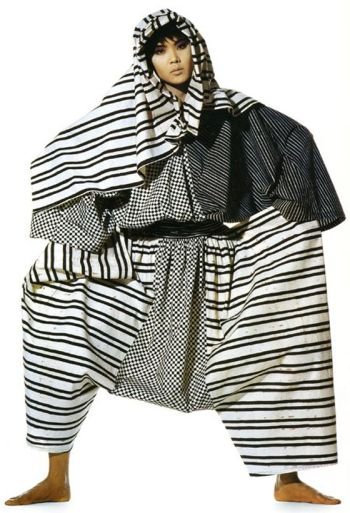
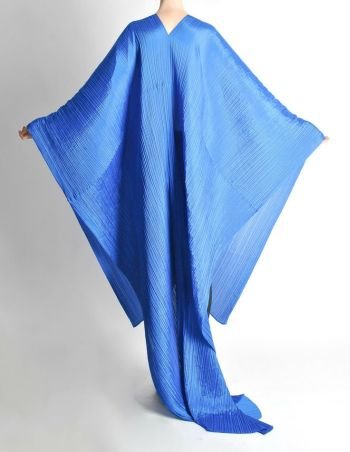
In 2026, fashion is characterized by a powerful duality. On one hand, there’s a resurgence of vintage aesthetics and craftsmanship, driven by a growing desire for authenticity and a rejection of disposable consumerism. This manifests as a renewed appreciation for high-quality, durable garments, often with a nostalgic nod to past eras. Think of the continued popularity of tailored pieces, natural fibers, and artisanal techniques. This trend is deeply rooted in a cultural shift towards conscious consumption, where consumers are increasingly educated about the environmental and ethical implications of their purchases. Brands that emphasize transparency, ethical sourcing, and longevity are gaining traction.
On the other hand, technology continues to profoundly influence fashion. The metaverse and augmented reality are no longer niche concepts but are integrated into how we experience and consume fashion. Virtual try ons, digital clothing for avatars, and immersive online shopping experiences are becoming commonplace. This technological integration caters to a generation that has grown up in a digital world, where online identity is as significant as physical presence. Culturally, this reflects a blurring of the lines between the physical and digital realms, impacting everything from social interaction to self-expression. Designers are exploring NFTs for digital fashion ownership and creating virtual collections that exist solely online, pushing the boundaries of creativity and accessibility. This also raises questions about intellectual property and the future of ownership in a digital age.
Economic Implications and Consumer Behavior
The economic forces at play in 2026 are significantly shaping fashion and culture. Global supply chains, though showing signs of resilience, continue to be a source of concern for many industries, including fashion. Geopolitical uncertainties and the ongoing impact of climate change necessitate a greater focus on localized production and circular economy models. This economic pressure is a major driver for the sustainability movement in fashion, pushing companies to invest in eco-friendly materials and production processes, even if it means higher initial costs. Consumers, particularly younger demographics, are increasingly willing to pay a premium for ethically produced and environmentally sound products, influencing corporate strategies and investment.
Furthermore, the rise of the creator economy and direct-to-consumer (DTC) brands continues to disrupt traditional retail models. Influencers and independent designers can now reach global audiences directly, bypassing established fashion houses and department stores. This democratizes fashion, offering more diverse voices and styles to consumers. Economically, this trend fosters entrepreneurship and innovation, but it also creates a crowded marketplace where differentiation and brand loyalty are paramount. The economic instability experienced in recent years has also led to a more cautious consumer, prioritizing value and versatility in their fashion choices. Fast fashion, while still present, faces increased scrutiny and competition from more sustainable and durable alternatives. The affordability of fashion is also a persistent economic concern, with brands needing to balance ethical production with accessible price points.

Conclusion
In 2026, the nexus of fashion, culture, and economics presents a multifaceted and dynamic picture. Fashion is no longer solely about aesthetics; it is a powerful mirror reflecting our cultural values, our technological adoption, and our economic realities. The growing emphasis on sustainability and authenticity, coupled with the transformative influence of digital technologies, is redefining how we create, consume, and interact with clothing. As economic pressures persist, consumers are becoming more discerning, prioritizing both ethical considerations and long-term value. The fashion industry, therefore, faces the ongoing challenge of adapting to these evolving demands, embracing innovation while remaining grounded in responsibility and a deep understanding of the cultural currents that guide our choices. The trends of 2026 suggest a future where fashion is more conscious, more digital, and more deeply intertwined with the fabric of society itself.
Bibliography
- McKinsey & Company. The State of Fashion 2025–2026. McKinsey Global Institute, 2025.
- Business of Fashion & McKinsey. The Business of Fashion: Industry Outlook 2026. BoF Insights, 2025.
- Creative Economy Outlook: Global Trends in Cultural and Creative Industries. United Nations, 2025.
- Sustainability, Innovation and Global Value Chains. OECD Publishing, 2025.
- European Environment Agency. Textiles and the Circular Economy in Europe. EEA Report, 2024.
- Statista Research Department. Digital Fashion, Virtual Goods and AR/VR Adoption Worldwide. Statista Insights, 2025.
- Kawamura, Y. Fashion-ology: An Introduction to Fashion Studies. Bloomsbury, 2022.
- Lipovetsky, G. The Empire of Fashion: Dressing Modern Democracy. Wiley, 2020.
References:
https://www.sciencedirect.com/org/science/article/pii/S0959055226000069
http://ijmeet.org/index.php/journal/article/view/131?articlesBySimilarityPage=5
https://siba.edu/fashion-forecasting-how-the-industry-evolves/
https://www.sciencedirect.com/science/article/pii/S0959652624036813
https://trendalytics.co/trend-insights/sustainable-fashion-trends-2026-eco-friendly-styles-on-rise
https://visualcompublications.es/revVISUAL/article/view/6121
https://link.springer.com/article/10.1186/s40691-026-00467-w
https://www.businessoffashion.com/reports/the-state-of-fashion-industry/
https://arxiv.org/html/2501.10324v1
https://www.intechopen.com/chapters/87478
https://knowledgecenter.ubt-uni.net/cgi/viewcontent.cgi?article=4915&context=conference